

Hey there! As a supplier of 1.5KW VFDs, I often get asked if a 1.5KW VFD can be used for a laboratory equipment motor. Well, let's dig into this topic and find out.
First off, let's understand what a VFD is. A Variable Frequency Drive, or VFD for short, is a device that controls the speed of an electric motor by adjusting the frequency and voltage supplied to it. It's a really handy tool that can offer a lot of benefits, like energy savings, precise speed control, and reduced wear and tear on the motor.
Now, when it comes to using a 1.5KW VFD for a laboratory equipment motor, there are a few things we need to consider.
Motor Requirements
The first thing we need to look at is the power rating of the laboratory equipment motor. A 1.5KW VFD is designed to handle a load of up to 1.5 kilowatts. So, if the motor in your lab equipment has a power rating that's within this range, then in theory, the 1.5KW VFD should be able to handle it.
For example, let's say you have a small centrifugal pump in your lab. If the pump motor has a power rating of 1.2KW, then a 1.5KW VFD would be a suitable choice. It would be able to control the speed of the motor effectively, allowing you to adjust the flow rate of the pump as needed.
However, it's important to note that the power rating isn't the only factor. We also need to consider the motor's starting current. Some motors, especially those with high inertia loads, can draw a much higher current when starting up compared to their normal operating current. If the starting current of the lab equipment motor is too high, it could overload the 1.5KW VFD and cause it to trip or even damage it.
Compatibility
Another important aspect is the compatibility between the VFD and the motor. Different motors have different electrical characteristics, such as the number of poles, the type of winding, and the insulation class. The VFD needs to be compatible with these characteristics to ensure proper operation.
Most modern 1.5KW VFDs are designed to be compatible with a wide range of motors, including both single - phase and three - phase motors. But it's still a good idea to check the manufacturer's specifications to make sure. For instance, if you have a single - phase motor in your lab equipment and you want to use a 1.5KW VFD to control it, you might be interested in Single Phase VFD To 3 Phase Motor. This type of VFD can convert single - phase power to three - phase power, allowing you to use a three - phase motor control strategy even with a single - phase input.
Environmental Conditions
Laboratory environments can be quite different from industrial settings. They often have strict temperature, humidity, and cleanliness requirements. The 1.5KW VFD needs to be able to operate reliably in these conditions.
Some VFDs are designed with features like dust and moisture protection, which are important in a lab environment where there might be small particles or a certain level of humidity. Make sure to choose a 1.5KW VFD that is suitable for the specific environmental conditions in your lab.
Advantages of Using a 1.5KW VFD for Lab Equipment
There are several advantages to using a 1.5KW VFD for laboratory equipment motors.
Energy Savings: By controlling the speed of the motor according to the actual load requirements, a VFD can significantly reduce energy consumption. In a lab, where equipment might not always be running at full capacity, this can lead to substantial cost savings over time.
Precise Speed Control: In many lab applications, precise speed control is crucial. For example, in a spectrophotometer, the motor that rotates the sample holder needs to run at a very precise speed to ensure accurate measurements. A 1.5KW VFD can provide this level of precision, allowing for better experimental results.
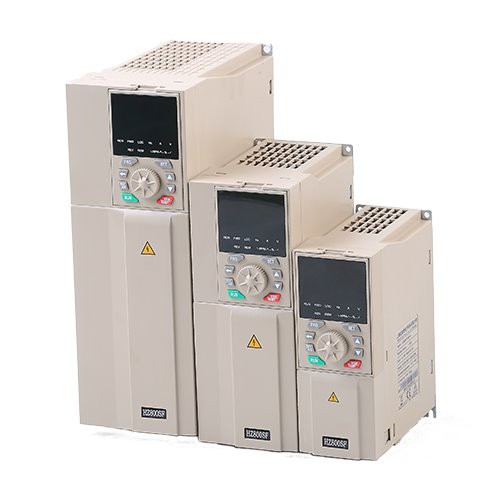

Reduced Maintenance: Since the VFD can start and stop the motor smoothly, it reduces the mechanical stress on the motor and other components. This can lead to less wear and tear, fewer breakdowns, and lower maintenance costs.
When a 1.5KW VFD Might Not Be Suitable
There are also situations where a 1.5KW VFD might not be the best choice.
If the lab equipment motor has a power rating that's significantly higher than 1.5KW, then a larger VFD would be required. For example, if you have a large industrial mixer in your lab with a 5KW motor, a 1.5KW VFD would not be able to handle the load. In such cases, you might want to consider a 15KW VFD or an even larger one depending on the motor's requirements.
Also, if the lab equipment has very specific control requirements that the 1.5KW VFD can't meet, such as extremely high - speed control or very complex control algorithms, then a more specialized VFD might be needed.
Conclusion
So, can a 1.5KW VFD be used for a laboratory equipment motor? The answer is it depends. If the motor's power rating is within the 1.5KW range, the VFD is compatible with the motor's electrical characteristics, and the environmental conditions are suitable, then a 1.5KW VFD can be a great choice. It offers energy savings, precise speed control, and reduced maintenance.
However, it's important to carefully evaluate the motor's requirements and the specific needs of your lab equipment before making a decision. If you're still not sure whether a 1.5KW VFD is right for your lab equipment motor, don't hesitate to reach out to us. We're here to help you make the best choice for your application.
If you're interested in purchasing a 1.5KW VFD, you can check out our product page 1.5KW VFD. We offer high - quality VFDs with excellent performance and reliable customer support. Contact us for more information and to start the procurement negotiation process.
References
- Electric Motor Handbook, Various Authors
- Variable Frequency Drive Installation and Troubleshooting Guide, Manufacturer's Manuals