

Hey there! As a supplier of 2.2KW VFDs, I often get asked if these little powerhouses can be used in hazardous environments. It's a super important question, especially when safety and efficiency are on the line. So, let's dive right in and explore this topic together.
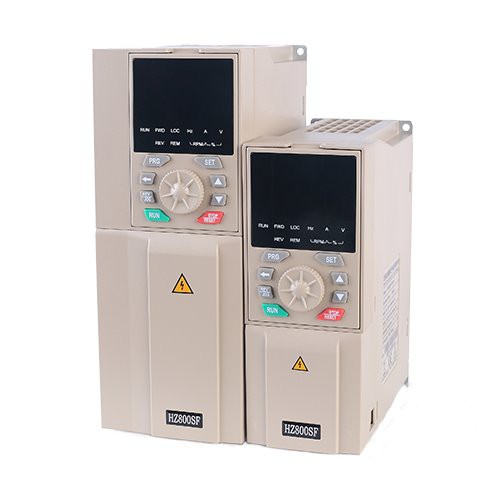
First off, what exactly is a 2.2KW VFD? Well, a 2.2KW VFD, or Variable Frequency Drive, is a type of Inverter Drive that controls the speed and torque of an AC motor by varying the frequency and voltage supplied to the motor. It's like having a magic wand that can make your motor run at just the right speed for the job. You can learn more about it on our 2.2KW VFD page.
Now, let's talk about hazardous environments. These are places where there's a risk of fire, explosion, or other dangerous situations. Think chemical plants, oil refineries, mines, and even some industrial kitchens. In these places, any electrical equipment needs to meet strict safety standards to prevent accidents.
So, can a 2.2KW VFD be used in such a tricky environment? The short answer is: it depends.
Factors to Consider
1. Hazardous Area Classification
Hazardous areas are classified based on the likelihood of the presence of flammable substances. There are different zones, like Zone 0, Zone 1, and Zone 2 for gas - filled areas, and Zone 20, Zone 21, and Zone 22 for dust - filled areas. A 2.2KW VFD needs to be rated for the specific zone where it will be installed. For example, a VFD rated for Zone 2 might not be suitable for Zone 0, which has a much higher risk of a flammable atmosphere.
2. Temperature and Humidity
Hazardous environments can also have extreme temperature and humidity conditions. High temperatures can cause the VFD to overheat, while high humidity can lead to corrosion and electrical short - circuits. A good 2.2KW VFD should be able to withstand the temperature and humidity range of the installation site. Some VFDs come with special cooling and protection features to handle these tough conditions.
3. Enclosure Type
The enclosure of the VFD is crucial. It needs to prevent the entry of dust, water, and flammable substances. There are different types of enclosures, such as NEMA (National Electrical Manufacturers Association) enclosures in the US. For hazardous environments, you might need a NEMA 7 or NEMA 9 enclosure, which are designed to be explosion - proof or dust - ignition - proof.
4. Certification
Certification is like a stamp of approval that shows the VFD meets the necessary safety standards. Look for certifications like ATEX (for Europe), UL (for the US), and IECEx (International Electrotechnical Commission System for Certification to Standards Relating to Equipment for Use in Explosive Atmospheres). These certifications ensure that the VFD has been tested and is safe to use in hazardous areas.
Our 2.2KW VFDs and Hazardous Environments
At our company, we understand the importance of safety in hazardous environments. That's why our 2.2KW VFD products are designed with these factors in mind.
We offer VFDs with different enclosure types to suit various hazardous area classifications. Our enclosures are built to be rugged and reliable, protecting the internal components from dust, water, and potential explosions.
In terms of temperature and humidity, our VFDs are engineered to operate in a wide range of conditions. They have advanced cooling systems that can dissipate heat effectively, even in high - temperature environments. And the internal components are treated to resist corrosion caused by humidity.
All our 2.2KW VFDs come with the necessary certifications. We work hard to ensure that our products meet the strictest safety standards, so you can have peace of mind when using them in hazardous areas.
Benefits of Using a 2.2KW VFD in a Hazardous Environment
Even though there are challenges, using a 2.2KW VFD in a hazardous environment can bring some great benefits.

1. Energy Efficiency
A Frequency Controller for Ac Motor like our 2.2KW VFD can adjust the motor speed according to the load requirements. This means that the motor doesn't have to run at full speed all the time, which can save a significant amount of energy. In a large industrial facility, these energy savings can add up to big cost savings over time.
2. Precise Control
The VFD allows for precise control of the motor's speed and torque. This is especially important in processes where accurate control is needed, such as in chemical mixing or conveyor belt operations. With a 2.2KW VFD, you can fine - tune the motor's performance to meet the exact requirements of your process.
3. Reduced Wear and Tear
By controlling the motor speed, the VFD can reduce the stress on the motor and other mechanical components. This leads to less wear and tear, which means fewer breakdowns and lower maintenance costs. In a hazardous environment, where maintenance can be difficult and dangerous, this is a huge advantage.
Making the Right Choice
If you're thinking about using a 2.2KW VFD in a hazardous environment, here are some steps to help you make the right choice:
- Assess the Environment: Determine the hazardous area classification, temperature, humidity, and other environmental factors.
- Check the Requirements: Look at the safety standards and certifications required for your specific location.
- Choose the Right VFD: Select a 2.2KW VFD that meets all the requirements and has the features you need, such as the right enclosure type and cooling system.
- Installation and Maintenance: Make sure the VFD is installed and maintained by qualified professionals. Regular maintenance is essential to keep the VFD working safely and efficiently.
Conclusion
So, to sum it up, a 2.2KW VFD can be used in a hazardous environment, but only if it's the right one for the job. At our company, we're committed to providing high - quality, safe, and reliable 2.2KW VFDs that can meet the challenges of hazardous environments.
If you're interested in learning more about our 2.2KW VFD products or have any questions about using them in a hazardous environment, don't hesitate to get in touch. We're here to help you make the best choice for your needs. Whether you're looking to upgrade your existing system or start a new project, we can provide the expertise and products you need. Let's work together to ensure your operations in hazardous areas are both safe and efficient.
References
- National Fire Protection Association (NFPA) standards
- International Electrotechnical Commission (IEC) standards
- American Petroleum Institute (API) guidelines