

As a supplier of 110v VFD (Variable Frequency Drive) drives, I often encounter questions from customers regarding the maintenance requirements of these devices. In this blog, I'll delve into whether a 110v VFD drive requires regular maintenance, exploring the reasons behind maintenance, what maintenance entails, and how it impacts the overall performance and lifespan of the drive.
Understanding the Basics of a 110v VFD Drive
Before we discuss maintenance, let's briefly understand what a 110v VFD drive is. A VFD is an electronic device that controls the speed and torque of an electric motor by varying the frequency and voltage supplied to the motor. The 110v specification indicates the input voltage level that the drive is designed to operate with. These drives are commonly used in various applications, from small household appliances to industrial machinery, providing energy - efficient and precise motor control.
Why Regular Maintenance is Necessary
- Component Degradation
- Over time, the internal components of a 110v VFD drive can degrade. Capacitors, for example, are essential for filtering and storing electrical energy. With continuous use, the electrolyte inside capacitors can dry out, leading to a decrease in capacitance and an increase in equivalent series resistance (ESR). This can cause the drive to malfunction or even fail.
- Resistors and transistors also face wear and tear. High - temperature operation, electrical stress, and environmental factors can gradually change their electrical properties, affecting the overall performance of the drive.
- Environmental Factors
- Dust, dirt, and moisture are common enemies of VFD drives. In industrial settings, dust can accumulate on the printed circuit boards (PCBs) and heat sinks of the drive. This accumulation can impede heat dissipation, causing the drive to overheat. Moisture can corrode the metal parts and PCBs, leading to short - circuits and component failures.
- In some cases, the presence of corrosive gases in the environment can also damage the internal components of the drive. For example, in chemical processing plants, gases like sulfur dioxide can react with the metal parts, accelerating corrosion.
- Electrical Stress
- Power surges, voltage fluctuations, and electrical noise in the power supply can put stress on the 110v VFD drive. These electrical disturbances can cause damage to the input and output circuits, as well as the control circuits of the drive. Regular maintenance can help identify and address any potential issues caused by electrical stress before they lead to major failures.
What Regular Maintenance Entails
- Visual Inspection
- A visual inspection should be part of the regular maintenance routine. Check for any signs of physical damage, such as cracks in the enclosure, loose connections, or burnt components. Look for signs of overheating, such as discoloration on the PCBs or heat sinks.
- Inspect the cooling fans. If the fans are not working properly, it can lead to overheating. Check for any blockages in the fan blades or the air intake and exhaust vents.
- Cleaning
- Clean the exterior and interior of the drive regularly. Use a soft brush or compressed air to remove dust and dirt from the PCBs, heat sinks, and other components. Be careful not to damage any of the delicate components during the cleaning process.
- If the drive is located in a particularly dirty or dusty environment, more frequent cleaning may be required. In some cases, it may be necessary to use a specialized cleaning solution to remove stubborn dirt and contaminants.
- Testing and Calibration
- Electrical testing of the drive's components is crucial. Use appropriate testing equipment to measure the capacitance of capacitors, the resistance of resistors, and the functionality of transistors. Compare the measured values with the specifications provided by the manufacturer to identify any potential issues.
- Calibration of the drive's control parameters is also important. Ensure that the drive is operating at the correct frequency, voltage, and current levels. Incorrect calibration can lead to inefficient motor operation and premature wear of the drive and the motor.
- Software Updates
- Many modern 110v VFD drives have built - in software that controls their operation. Manufacturers often release software updates to improve the drive's performance, add new features, or fix bugs. Regularly check for software updates and install them as recommended by the manufacturer.
Impact of Regular Maintenance on Performance and Lifespan
- Improved Performance
- Regular maintenance helps to keep the 110v VFD drive operating at its optimal performance level. By ensuring that all components are in good working condition and that the drive is properly calibrated, the drive can provide more precise motor control. This leads to smoother operation of the motor, reduced energy consumption, and improved overall system efficiency.
- For example, in a conveyor belt system, a well - maintained VFD drive can ensure that the conveyor belt runs at a constant speed, reducing the risk of product damage and improving productivity.
- Extended Lifespan
- By addressing component degradation, environmental factors, and electrical stress through regular maintenance, the lifespan of the 110v VFD drive can be significantly extended. A drive that is properly maintained can last for many years, reducing the need for frequent replacements and saving on costs in the long run.
- In contrast, a drive that is not maintained may fail prematurely, leading to costly downtime and replacement expenses.
Different Types of 110v VFD Drives and Their Maintenance
- Normal Duty and Heavy Duty VFD
- Normal duty VFD drives are designed for applications with relatively stable loads and operating conditions. Their maintenance requirements may be less frequent compared to heavy - duty VFD drives. However, they still need regular visual inspections, cleaning, and basic electrical testing.
- Heavy - duty VFD drives, on the other hand, are used in applications with high - load, high - stress conditions, such as in large industrial motors. These drives require more frequent and comprehensive maintenance. The cooling systems of heavy - duty drives need to be closely monitored, and the components may need to be tested more frequently due to the higher level of stress they endure.
- Single Phase Motor VFD Drive
- Single - phase motor VFD drives are commonly used in small - scale applications, such as in household appliances and small workshops. Their maintenance is similar to other VFD drives but may be less complex due to their smaller size and lower power requirements. However, they are still susceptible to component degradation and environmental factors, so regular maintenance is still necessary.
- Inverter Drive
- Inverter drives are a type of VFD drive that convert DC power to AC power with variable frequency and voltage. These drives often have more complex internal circuitry, including power electronics and control algorithms. Maintenance of inverter drives requires a higher level of technical expertise. Special attention should be paid to the power conversion components and the control software to ensure proper operation.
Conclusion
In conclusion, a 110v VFD drive does require regular maintenance. Regular maintenance helps to prevent component failures, improve performance, and extend the lifespan of the drive. Whether it is a normal - duty, heavy - duty, single - phase, or inverter type of 110v VFD drive, following a proper maintenance schedule is essential for reliable and efficient operation.

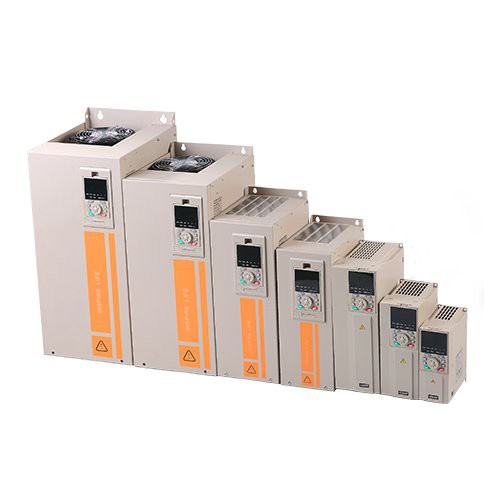
If you are in the market for a 110v VFD drive or need more information about maintenance and support, feel free to contact us for a detailed discussion and to explore the best options for your specific application.
References
- “Variable Frequency Drives: Principles, Operation, and Application,” by Thomas L. Hamer.
- Manufacturer's manuals and technical documentation for 110v VFD drives.