

Hey there! As an LCD Panel supplier, I've been in the thick of the display tech game for quite some time. One question that often pops up from my customers is, "How does the brightness level affect the visibility of an LCD Panel?" Well, let's dive right into it.
First off, let's talk about what brightness means in the context of an LCD Panel. Brightness is typically measured in nits. One nit is equal to one candela per square meter. In simple terms, the higher the nit count, the brighter the display.
Now, how does this brightness actually impact visibility? Well, it all boils down to the environment in which the LCD panel is used.
Indoor Use
In indoor settings, the lighting conditions are usually more controlled. Most offices and homes have a certain level of ambient light. For normal indoor viewing, an LCD panel with a brightness of around 250 - 350 nits is usually sufficient. This level of brightness allows for clear visibility of text, images, and videos.
Let's say you're using an LCD panel for general office work, like checking emails, writing documents, or browsing the web. A panel with a brightness in this range will make it easy for you to see the content on the screen without straining your eyes. The text will be sharp, and the colors will look natural.
However, if you're using the LCD panel in a brightly lit room, say near a large window or under bright overhead lights, you might need a panel with a higher brightness level. A panel with 400 - 500 nits will be better able to compete with the ambient light. This way, the content on the screen won't look washed out, and you'll still be able to see everything clearly.
On the other hand, if you use a panel that's too bright in a dimly lit room, it can be really uncomfortable. Your eyes will have to constantly adjust to the high brightness, which can lead to eye fatigue and headaches. So, for indoor use, it's all about finding the right balance.
Outdoor Use
Outdoor environments are a whole different ballgame. The amount of sunlight can vary greatly depending on the time of day, the season, and your location. In direct sunlight, the brightness of the sun can be extremely high, reaching up to 10,000 nits or more.
For outdoor use, you need an LCD panel with a very high brightness level. Panels with 1000 nits or more are commonly used in outdoor digital signage, kiosks, and industrial applications. These high-brightness panels are able to cut through the sunlight and make the content on the screen visible.
Imagine you're walking down a busy street, and there's a digital billboard. If the billboard has a low brightness level, you might not even notice it in the bright sunlight. But if it has a high brightness level, the colors will be vivid, and the text will be easy to read from a distance.
However, it's not just about having a high brightness level. The contrast ratio of the LCD panel also plays a crucial role in outdoor visibility. The contrast ratio is the difference between the brightest white and the darkest black that the panel can display. A high contrast ratio ensures that the colors look rich and the details are clear, even in bright sunlight.
Impact on Color Accuracy
The brightness level of an LCD panel can also affect color accuracy. When the brightness is too high, the colors can start to look washed out. The whites might become too bright, and the other colors might lose their saturation.
On the other hand, if the brightness is too low, the colors might look dull and lackluster. The blacks might not be deep enough, and the overall image quality can suffer.
To ensure accurate color reproduction, it's important to calibrate the brightness level of the LCD panel. Most modern LCD panels come with built-in calibration tools that allow you to adjust the brightness, contrast, and color settings to achieve the best possible image quality.
Energy Consumption
Another factor to consider is energy consumption. Higher brightness levels generally mean higher energy consumption. If you're using an LCD panel with a very high brightness level for long periods of time, it can significantly increase your electricity bill.

As an LCD panel supplier, I always recommend my customers to choose a panel with a brightness level that suits their specific needs. There's no point in having a panel with a very high brightness level if you're only using it in a dimly lit room.
Other Related Products
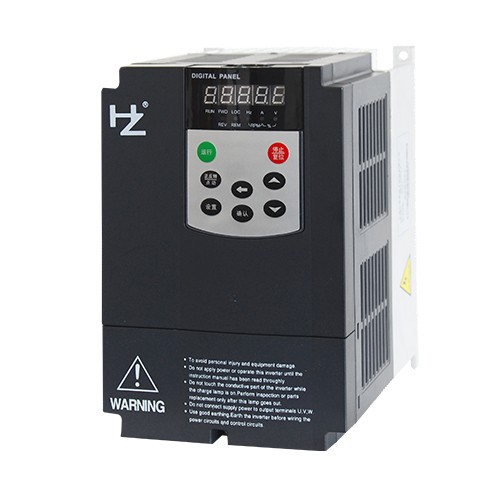
Apart from LCD Panel, we also offer LED Digital Panel and Braking Resistance for VFD. LED Digital Panels are known for their high brightness and energy efficiency. They're a great choice for applications where you need a bright and clear display.
Braking Resistance for VFD is an important component in variable frequency drive systems. It helps to dissipate the excess energy generated during the braking process, ensuring the smooth operation of the system.
Conclusion
In conclusion, the brightness level of an LCD panel has a significant impact on its visibility. The right brightness level depends on the environment in which the panel is used, whether it's indoor or outdoor. It also affects color accuracy and energy consumption.
As an LCD panel supplier, I'm always here to help you choose the right panel for your needs. If you're in the market for an LCD panel, LED Digital Panel, or Braking Resistance for VFD, don't hesitate to reach out. We can have a chat about your specific requirements and find the best solution for you. Whether you're a small business owner looking for a digital signage solution or an industrial client in need of a high-brightness display, we've got you covered. Let's start a conversation and see how we can work together to meet your display needs.
References
- "Display Technology Handbook" by F. William Billingsley
- "Fundamentals of Liquid Crystal Displays" by Peter J. Bos