

Hey there, folks! As a supplier of Brake Units, I often get asked this one burning question: How often should brake pads in a brake unit be replaced? Well, there's no one - size - fits - all answer to this, but I'm gonna break it down for you.
First off, let's understand what brake pads do. They're a crucial part of the brake unit. When you hit the brakes in your vehicle, the brake pads clamp down on the brake rotors. This friction is what slows down or stops your vehicle. Over time, this constant friction causes the brake pads to wear out.
One of the main factors that determine how often you need to replace your brake pads is your driving style. If you're an aggressive driver, you're likely to be hitting the brakes hard and often. You know, those sudden stops at traffic lights or jamming on the brakes to avoid a collision. This kind of driving puts a lot of stress on the brake pads. In this case, you might need to replace your brake pads every 20,000 - 30,000 miles. On the flip side, if you're a more laid - back driver, taking it easy on the roads, gently applying the brakes, you could go up to 70,000 - 80,000 miles before needing a replacement.
The type of vehicle you drive also matters. Smaller, lighter cars generally put less strain on the brake pads compared to larger vehicles like trucks or SUVs. Trucks and SUVs are heavier, so they require more force to stop. This means their brake pads will wear out faster. For a big rig or a heavy - duty truck, you might be looking at replacing the brake pads every 30,000 - 50,000 miles.
Another factor is the environment in which you drive. If you live in a mountainous area, you're constantly going up and down hills. Going downhill, you'll be using your brakes a lot to control your speed. This can lead to quicker wear and tear on the brake pads. Similarly, if you do a lot of city driving with its stop - and - go traffic, your brake pads will also wear out faster than if you mainly drive on the highway.
Now, how can you tell when it's time to replace your brake pads? There are a few signs. One of the most obvious ones is a squealing or screeching noise when you apply the brakes. This is usually caused by a wear indicator on the brake pads. When the brake pads get too thin, the wear indicator rubs against the brake rotor, making that annoying noise. Another sign is a pulsating feeling when you press the brake pedal. This could mean that the brake pads are unevenly worn or that there's a problem with the brake rotors.
You should also pay attention to how your vehicle stops. If it takes longer to come to a complete stop than usual, or if you have to press the brake pedal harder, it could be a sign that your brake pads are worn out. And don't forget to check your brake fluid level regularly. Low brake fluid can sometimes be a sign of worn - out brake pads.
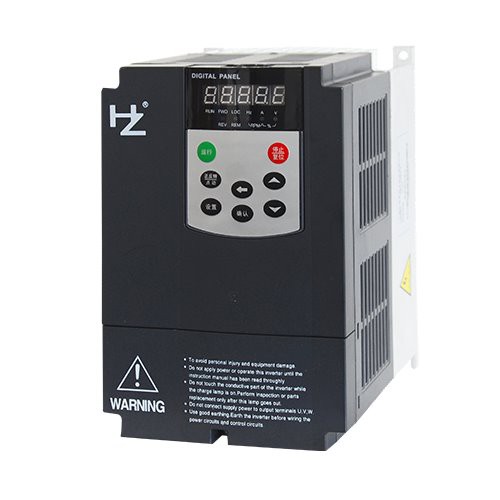
As a Brake Unit supplier, I can tell you that using high - quality brake pads is super important. Cheap, low - quality brake pads might save you a few bucks upfront, but they'll wear out much faster and could even cause damage to your brake rotors. We offer a wide range of Brake Units and high - quality brake pads that are designed to last. You can check out our products here: Brake Unit.
If you're into more technical aspects of braking systems, you might also be interested in our Braking Resistance for VFD. It plays an important role in the overall performance of the braking system. And for those looking for a Feedback Unit, we've got you covered too.
Now, let's talk about maintenance. Regular maintenance of your brake system can extend the life of your brake pads. Make sure to have your brakes inspected by a professional at least once a year. They can check the thickness of the brake pads, the condition of the brake rotors, and the overall performance of the brake system. During the inspection, they can also adjust the brakes if needed.
Changing your brake pads isn't a DIY job for everyone. If you're not experienced with working on cars, it's best to leave it to the professionals. They have the right tools and knowledge to do the job safely and correctly. But if you are handy with cars, make sure to follow the manufacturer's instructions carefully when replacing the brake pads.
In conclusion, there's no fixed schedule for replacing brake pads. It depends on your driving style, the type of vehicle you drive, and the environment. But by paying attention to the signs of wear and having regular maintenance, you can ensure that your brakes are always in top - notch condition.
If you're in the market for high - quality brake units or brake pads, don't hesitate to reach out. We're here to help you make the right choice for your vehicle. Whether you're a car owner looking to replace your brake pads or a mechanic in need of reliable brake parts, we've got the products and expertise to meet your needs. Let's start a conversation about your brake unit requirements and find the best solution for you.

References
- Automotive Brake Systems Handbook
- Popular Mechanics Guide to Car Maintenance