

Hey there! As a supplier of Three Phase VFDs (Variable Frequency Drives), I often get asked about how to adjust the V/F curve of these drives. It's a crucial aspect that can significantly impact the performance of your motor, so I'm stoked to share some insights with you.
First off, let's quickly go over what the V/F curve is. The V/F curve, or Voltage/Frequency curve, is a relationship between the voltage and frequency supplied to an AC motor by a VFD. In a nutshell, it determines how much voltage the motor gets at different frequencies. This is super important because motors are designed to operate at a specific voltage-to-frequency ratio to maintain proper torque and efficiency.
Why Adjust the V/F Curve?
There are several reasons why you might want to adjust the V/F curve. One common reason is to optimize the motor's performance. Different motors have different characteristics, and the standard V/F curve might not always be the best fit. For example, some motors might require more voltage at low frequencies to produce enough torque to start and run smoothly. By adjusting the V/F curve, you can fine-tune the drive to match the motor's needs, which can lead to better efficiency, reduced energy consumption, and longer motor life.
Another reason to adjust the V/F curve is to deal with specific load requirements. Some loads, like fans and pumps, have different torque requirements at different speeds. By adjusting the V/F curve, you can ensure that the motor has enough torque to handle the load at all operating points.
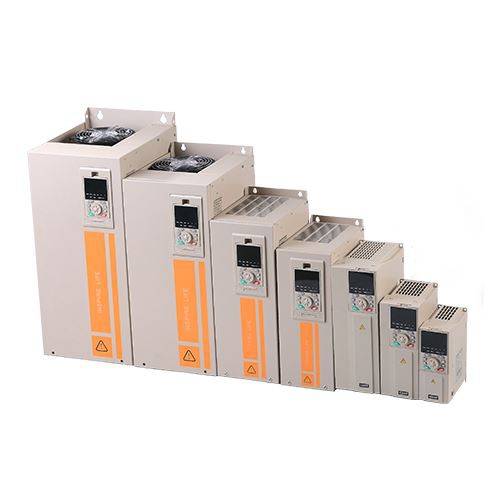

Steps to Adjust the V/F Curve
Now, let's get into the nitty-gritty of how to adjust the V/F curve. The process can vary depending on the make and model of your VFD, but the general steps are pretty similar.
Step 1: Gather Information
Before you start adjusting the V/F curve, you need to gather some information about your motor and load. This includes the motor's rated voltage, frequency, and power, as well as the load's torque requirements at different speeds. You can usually find this information in the motor's nameplate or the load's technical specifications.
Step 2: Access the VFD's Configuration Menu
Most VFDs have a configuration menu where you can adjust various parameters, including the V/F curve. To access the menu, you'll typically need to press a button on the drive's control panel or use a programming tool. Once you're in the menu, look for the section related to the V/F curve.
Step 3: Select the V/F Curve Type
There are several types of V/F curves available, including linear, quadratic, and custom curves. The linear curve is the most basic and provides a constant voltage-to-frequency ratio. The quadratic curve is often used for fans and pumps, as it reduces the voltage at lower frequencies to match the load's torque requirements. The custom curve allows you to define your own voltage and frequency points to create a curve that's tailored to your specific motor and load.
Step 4: Adjust the Curve Points
If you're using a custom curve, you'll need to adjust the curve points to match your motor and load requirements. This involves setting the voltage and frequency values at specific points along the curve. You can usually do this by entering the values into the VFD's configuration menu or using a programming tool.
Step 5: Test and Fine-Tune
Once you've adjusted the V/F curve, it's time to test the motor and see how it performs. Start the motor and observe its operation at different speeds. Pay attention to the motor's torque, speed, and current draw. If the motor isn't performing as expected, you may need to fine-tune the V/F curve by adjusting the curve points or selecting a different curve type.
Tips for Adjusting the V/F Curve
Here are some tips to help you adjust the V/F curve effectively:
- Start with the Manufacturer's Recommendations: Most VFD manufacturers provide recommended V/F curves for different types of motors and loads. Start with these recommendations and make adjustments as needed.
- Make Small Adjustments: When adjusting the V/F curve, make small adjustments at a time and test the motor after each adjustment. This will help you avoid over-adjusting the curve and causing the motor to operate inefficiently or malfunction.
- Monitor the Motor's Performance: Use a motor analyzer or other monitoring equipment to monitor the motor's performance during the adjustment process. This will help you identify any issues and make the necessary adjustments.
- Document Your Changes: Keep a record of the changes you make to the V/F curve, including the curve type, curve points, and any other relevant parameters. This will help you troubleshoot any issues that may arise in the future and make it easier to replicate the adjustments if needed.
Related Products
If you're in the market for a Three Phase VFD, we offer a wide range of products to meet your needs. Check out our Outdoor VFD, which is designed for use in outdoor environments and can withstand harsh conditions. We also have a VF Control VFD, which provides precise control of the motor's speed and torque. And if you're looking for a smaller drive, our 2.2KW VFD is a great option.
Conclusion
Adjusting the V/F curve of a Three Phase VFD is an important step in optimizing the performance of your motor and load. By following the steps outlined in this blog post and using the tips provided, you can adjust the V/F curve effectively and ensure that your motor operates efficiently and reliably.
If you have any questions or need further assistance with adjusting the V/F curve or selecting the right VFD for your application, don't hesitate to contact us. We're here to help you find the best solution for your needs.
References
- "Variable Frequency Drives: Principles and Applications" by Thomas G. Habetler, Ronald G. Harley, and Timothy A. Lipo
- "Electric Motor Handbook" by Irving L. Kosow