

As a supplier of 110v VFD (Variable Frequency Drive) Drives, I understand the importance of proper calibration for these devices. A well - calibrated VFD drive not only ensures optimal performance but also extends the lifespan of the equipment it controls. In this blog, I'll guide you through the process of calibrating a 110v VFD Drive, sharing professional insights and practical steps.
Understanding the Basics of a 110v VFD Drive
Before we dive into the calibration process, it's essential to have a basic understanding of what a 110v VFD Drive is. A VFD is an electronic device that controls the speed and torque of an AC motor by varying the frequency and voltage supplied to the motor. The 110v VFD Drive is designed to operate on a 110 - volt power supply, which is commonly used in residential and some light - commercial applications.
The main components of a VFD drive include a rectifier, a DC bus, and an inverter. The rectifier converts the incoming AC power to DC power, which is stored in the DC bus. The inverter then converts the DC power back to AC power with variable frequency and voltage. This ability to adjust the frequency and voltage allows the VFD to control the motor speed precisely, resulting in energy savings and improved process control.
Pre - calibration Preparations
- Safety First: Before starting any calibration process, ensure that the power to the VFD drive is turned off. This prevents the risk of electric shock and damage to the equipment. Wear appropriate personal protective equipment (PPE), such as insulated gloves and safety glasses.
- Gather Necessary Tools: You'll need a multimeter to measure voltage, current, and resistance. A tachometer may also be required to measure the motor speed accurately. Additionally, have a copy of the VFD drive's user manual on hand, as it contains important information about the calibration parameters and procedures.
- Inspect the Equipment: Check the VFD drive and the connected motor for any visible signs of damage, such as loose wires, burnt components, or physical damage. Ensure that all connections are tight and secure.
Calibration Steps
Step 1: Initial Setup
- Power On the VFD: After completing the pre - calibration preparations, turn on the power to the VFD drive. Allow the drive to initialize and perform its self - diagnostic tests. Check the display for any error messages. If an error message appears, refer to the user manual to troubleshoot the issue.
- Set the Basic Parameters: The first step in calibration is to set the basic parameters of the VFD drive. These parameters include the motor rated voltage, current, frequency, and power. Enter these values according to the motor's nameplate information. For example, if the motor is rated at 110v, 5A, 60Hz, and 1HP, enter these values into the corresponding parameter settings in the VFD drive.
Step 2: Frequency Calibration
- Set the Minimum and Maximum Frequency: Determine the minimum and maximum frequency values that the VFD drive will operate within. The minimum frequency is the lowest speed at which the motor can run, while the maximum frequency is the highest speed. These values depend on the application requirements. For example, in a fan application, the minimum frequency may be set to 10Hz, and the maximum frequency may be set to 60Hz.
- Verify Frequency Output: Use a multimeter to measure the output frequency of the VFD drive. Compare the measured frequency with the set frequency on the VFD display. If there is a significant difference, adjust the frequency calibration parameter in the VFD drive until the measured frequency matches the set frequency.
Step 3: Voltage Calibration
- Set the Voltage - to - Frequency Ratio: The VFD drive uses a voltage - to - frequency (V/F) ratio to control the motor voltage based on the frequency. This ratio is typically set to maintain a constant magnetic flux in the motor. The standard V/F ratio for a 110v, 60Hz motor is 1.83V/Hz (110v / 60Hz). Enter this value into the V/F ratio parameter in the VFD drive.
- Verify Voltage Output: Use a multimeter to measure the output voltage of the VFD drive at different frequencies. Compare the measured voltage with the calculated voltage based on the V/F ratio. If there is a deviation, adjust the voltage calibration parameter in the VFD drive to correct the voltage output.
Step 4: Current Calibration
- Set the Over - current Protection: The VFD drive has an over - current protection feature to prevent damage to the motor and the drive itself. Set the over - current protection parameter based on the motor's rated current. For example, if the motor is rated at 5A, set the over - current protection value to a slightly higher value, such as 5.5A.
- Verify Current Output: Use a multimeter to measure the output current of the VFD drive while the motor is running. Compare the measured current with the motor's rated current. If the measured current is significantly higher or lower than the rated current, adjust the current calibration parameter in the VFD drive.
Step 5: Speed Calibration
- Measure the Motor Speed: Use a tachometer to measure the actual speed of the motor. Compare the measured speed with the set speed on the VFD drive. If there is a difference, adjust the speed calibration parameter in the VFD drive.
- Fine - tune the Speed Control: Make small adjustments to the speed control parameters in the VFD drive to achieve the desired motor speed accurately. This may involve adjusting the acceleration and deceleration times, as well as the speed reference gain.
Troubleshooting During Calibration
During the calibration process, you may encounter some issues. Here are some common problems and their solutions:
- Error Messages: If the VFD drive displays an error message, refer to the user manual for a list of error codes and their meanings. Common error messages may indicate over - current, over - voltage, or communication problems. Follow the troubleshooting steps provided in the manual to resolve the issue.
- Inaccurate Measurements: If the measurements obtained from the multimeter or tachometer are inaccurate, check the connections and the calibration of the measuring instruments. Ensure that the measuring probes are properly connected and that the instruments are functioning correctly.
- Motor Not Running: If the motor does not run after calibration, check the power supply, the motor connections, and the VFD drive settings. Make sure that the motor is properly wired and that the VFD drive is set to the correct operating mode.
Importance of Regular Calibration
Regular calibration of the 110v VFD Drive is crucial for maintaining its performance and reliability. Over time, the components of the VFD drive may degrade, leading to inaccurate frequency, voltage, and current outputs. This can result in reduced motor efficiency, increased energy consumption, and premature motor failure.
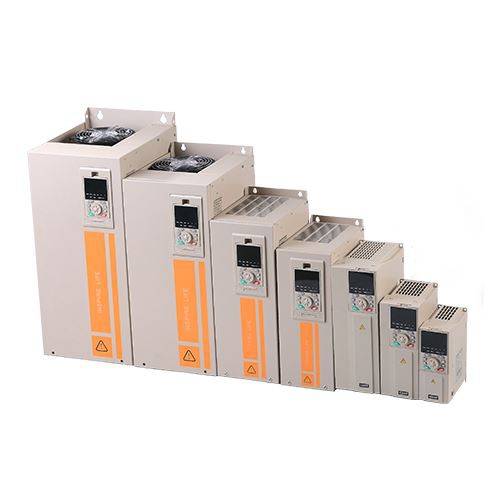

By calibrating the VFD drive regularly, you can ensure that it operates within the specified parameters, providing optimal performance and extending the lifespan of the motor. Additionally, regular calibration can help identify potential problems early, allowing for timely maintenance and repairs.
Related Products and Applications
As a 110v VFD Drive supplier, we also offer a range of related products, such as Inverter Drive, Outdoor VFD, and Single To Three Phase VFD. These products are designed to meet different application requirements, from industrial automation to home appliances.
The Inverter Drive provides precise control of the motor speed and torque, making it suitable for applications that require high - performance motor control. The Outdoor VFD is designed to withstand harsh environmental conditions, such as extreme temperatures, humidity, and dust, making it ideal for outdoor applications. The Single To Three Phase VFD allows you to convert single - phase power to three - phase power, enabling the use of three - phase motors in single - phase power supply environments.
Conclusion
Calibrating a 110v VFD Drive is a complex but essential process that requires careful attention to detail. By following the steps outlined in this blog, you can ensure that your VFD drive is calibrated correctly, providing optimal performance and reliability.
If you are in the market for a 110v VFD Drive or need assistance with calibration and maintenance, we are here to help. Our team of experts has extensive experience in the field of VFD drives and can provide you with professional advice and support. Contact us to start a discussion about your specific requirements and find the best solution for your application.
References
- VFD Drive User Manuals
- Electrical Engineering Textbooks on Motor Control
- Industry Standards for VFD Drive Calibration