

Hey there! As a supplier of 660V - 690V Variable Frequency Drives (VFDs), I get asked a lot about how to choose the right fuse for these drives. It's a crucial question because the right fuse can protect your VFD from damage and ensure its smooth operation. So, let's dive right in and break down the key factors you need to consider when selecting a fuse for your 660V - 690V VFD.
Understanding the Basics of Fuses
First things first, let's quickly go over what a fuse does. A fuse is a safety device that protects an electrical circuit from excessive current. When the current flowing through the fuse exceeds its rated value, the fuse element melts, breaking the circuit and preventing further damage to the equipment. In the case of a VFD, a properly sized fuse can safeguard the drive from short - circuits and over - current conditions.
Voltage Rating
The voltage rating of the fuse is one of the most important factors. For a 660V - 690V VFD, you need a fuse with a voltage rating that is equal to or higher than the operating voltage of the VFD. Using a fuse with a lower voltage rating can lead to arcing and failure of the fuse, which can be extremely dangerous. A fuse with a higher voltage rating than necessary is generally safe, but it may be more expensive and larger in size. So, make sure to choose a fuse with a voltage rating that matches your VFD's operating voltage.
Current Rating
Determining the correct current rating for the fuse is a bit more complex. You need to consider the full - load current of the VFD. This is the maximum current that the VFD will draw under normal operating conditions. You can usually find this information in the VFD's datasheet. However, you can't just choose a fuse with a current rating equal to the full - load current.
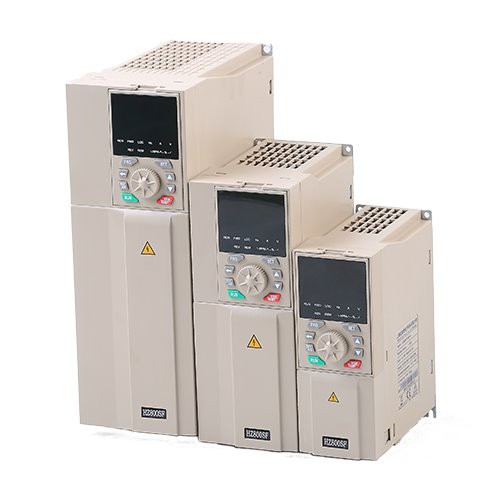
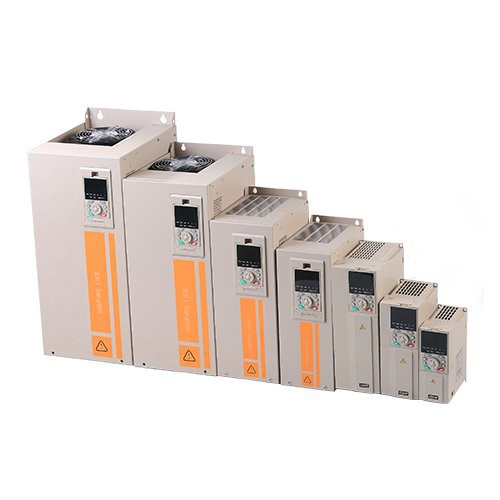
VFDs often experience inrush currents when they are first started. These inrush currents can be several times higher than the normal full - load current and can last for a short period. To account for these inrush currents, you need to select a fuse with a current rating that is high enough to withstand the inrush without blowing, but low enough to protect the VFD from sustained over - current conditions.
A common rule of thumb is to choose a fuse with a current rating that is about 1.2 to 1.5 times the full - load current of the VFD. For example, if your VFD has a full - load current of 20A, you might choose a fuse with a current rating of 25A or 30A. But this is just a general guideline, and you should always refer to the VFD manufacturer's recommendations.
Fuse Type
There are different types of fuses available, such as fast - acting fuses and time - delay fuses.
Fast - acting fuses are designed to blow quickly when the current exceeds the rated value. They are suitable for applications where a short - circuit needs to be cleared immediately to prevent damage to the equipment. However, they may not be the best choice for VFDs because they can blow during the normal inrush current.
Time - delay fuses, on the other hand, can tolerate short - term over - currents, such as inrush currents, without blowing. They have a built - in time delay that allows them to withstand the initial surge of current and then blow if the over - current condition persists. For most 660V - 690V VFDs, a time - delay fuse is the preferred choice.
Coordination with Other Protection Devices
Your VFD may also be protected by other devices, such as circuit breakers and overload relays. It's important to ensure that the fuse is coordinated with these other protection devices. This means that in the event of a fault, the fuse should operate in a way that is consistent with the overall protection scheme of the system.
For example, if the circuit breaker is set to trip at a certain current level, the fuse should not blow before the circuit breaker has a chance to operate under normal conditions. Coordination between these devices can prevent unnecessary downtime and ensure the reliable operation of your VFD.
Consider the Application
The application in which the VFD is used can also affect the fuse selection. For example, if the VFD is used in a high - temperature environment, the fuse's performance may be affected. Fuses can have a derating factor in high - temperature conditions, which means that their current - carrying capacity decreases as the temperature rises.
In some applications, such as those with frequent starts and stops, the inrush currents may be more severe. In these cases, you may need to choose a fuse with a higher current rating or a more robust time - delay characteristic.
Examples of VFDs and Fuse Selection
Let's take a look at some specific examples. If you're using a 15KW VFD, its full - load current might be around 25A. Based on the rule of thumb, you might choose a time - delay fuse with a current rating of 30A or 35A and a voltage rating of at least 690V.
For a 3.7KW VFD, the full - load current could be around 7A. A suitable fuse might be a time - delay fuse with a current rating of 10A or 12A and a voltage rating of 690V.
Conclusion
Choosing the right fuse for a 660V - 690V VFD is not a one - size - fits - all process. You need to consider the voltage rating, current rating, fuse type, coordination with other protection devices, and the specific application. By taking all these factors into account, you can select a fuse that will protect your VFD and ensure its reliable operation.
If you're still unsure about which fuse to choose for your VFD, don't hesitate to reach out. As a supplier of VFD Control Drive, we have the expertise and experience to help you make the right decision. Whether you're a small business owner or an industrial engineer, we can provide you with the guidance and products you need. Contact us today to start a discussion about your VFD fuse requirements and explore the best options for your specific situation.
References
- Electrical Installation Handbook, Schneider Electric
- Variable Frequency Drive Manuals, Various VFD Manufacturers