

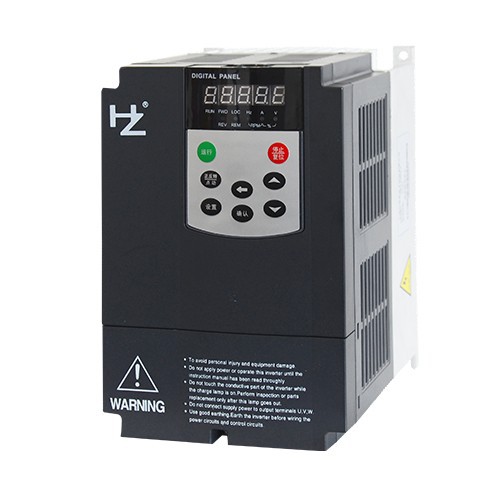
In the realm of industrial automation, Variable Frequency Drives (VFDs) play a pivotal role in controlling the speed and torque of electric motors. As a trusted VFD parts supplier, I understand the significance of ensuring the reliability of these components. A reliable VFD system not only enhances operational efficiency but also minimizes downtime and maintenance costs. In this blog post, I will share some valuable insights on how to improve the reliability of VFD parts.
1. Quality Sourcing and Manufacturing
The foundation of reliable VFD parts lies in their quality during sourcing and manufacturing. When procuring raw materials, it is essential to partner with reputable suppliers who adhere to strict quality control standards. High - grade materials are less likely to experience premature wear and tear, which can lead to component failure.
For instance, in the production of Brake Unit, using high - quality resistors and capacitors can significantly improve its performance and longevity. These components should be tested for their electrical properties, such as resistance, capacitance, and tolerance, to ensure they meet the required specifications.
During the manufacturing process, advanced production techniques and strict quality assurance protocols should be implemented. Automated assembly lines can reduce human error, while in - line testing at various stages of production helps to identify and rectify any potential issues early on. This includes testing for electrical insulation, thermal performance, and mechanical stability.
2. Environmental Considerations
VFD parts are often exposed to a wide range of environmental conditions, which can have a profound impact on their reliability. Temperature, humidity, dust, and vibration are some of the key factors that need to be considered.
Temperature
Extreme temperatures can cause the performance of VFD parts to degrade. High temperatures can accelerate the aging of electronic components, leading to increased resistance and reduced efficiency. On the other hand, low temperatures can make some materials brittle and prone to cracking.
To mitigate the effects of temperature, proper cooling and heating systems should be installed. For example, VFDs can be equipped with heat sinks and fans to dissipate heat generated during operation. In cold environments, heaters can be used to maintain a suitable operating temperature.
Humidity
High humidity levels can cause corrosion and short - circuits in VFD parts. Moisture can penetrate electronic components, leading to the growth of mold and the degradation of insulation materials. To protect against humidity, enclosures with proper sealing and moisture - resistant coatings can be used. Additionally, desiccant bags can be placed inside the enclosures to absorb excess moisture.
Dust and Particles
Dust and other particles can accumulate on VFD parts, blocking ventilation channels and causing overheating. They can also contaminate electrical contacts, leading to poor conductivity. Regular cleaning and the use of filters can help prevent dust from entering the VFD system. Enclosures should be designed to minimize the ingress of dust, and air intake filters should be replaced regularly.
Vibration
Vibration can cause mechanical stress on VFD parts, leading to loose connections and component failure. To reduce the impact of vibration, VFDs should be mounted on vibration - isolating platforms or using shock - absorbing mounts. Additionally, components should be securely fastened to prevent movement during operation.
3. Regular Maintenance and Inspection
Regular maintenance and inspection are crucial for ensuring the long - term reliability of VFD parts. This includes visual inspections, electrical testing, and performance monitoring.
Visual Inspections
Visual inspections should be carried out at regular intervals to check for any signs of damage, such as cracks, burns, or loose connections. Components such as capacitors, resistors, and printed circuit boards should be inspected for signs of overheating or physical damage. Any damaged parts should be replaced immediately to prevent further issues.
Electrical Testing
Electrical testing is essential for verifying the performance of VFD parts. This includes testing for voltage, current, resistance, and insulation resistance. By comparing the test results with the manufacturer's specifications, any deviations can be identified and addressed promptly. For example, a decrease in insulation resistance may indicate a potential short - circuit or a problem with the insulation material.
Performance Monitoring
Performance monitoring involves continuously tracking the operation of VFD parts to detect any abnormal behavior. This can be done using sensors and monitoring software. By analyzing data such as motor speed, torque, and power consumption, trends can be identified, and potential issues can be predicted before they cause a failure. For instance, an increase in power consumption may indicate a problem with the motor or the VFD itself.
4. Software and Firmware Updates
VFDs rely on software and firmware to control their operation. Regular software and firmware updates can improve the reliability and performance of VFD parts. These updates often include bug fixes, security patches, and new features that enhance the functionality of the VFD.
Manufacturers typically release software and firmware updates to address known issues and improve the overall stability of the system. By keeping the VFD's software and firmware up - to - date, users can ensure that their VFD parts are operating at their best and are protected against potential security threats.
5. Training and Education
Proper training and education are essential for ensuring that VFD parts are installed, operated, and maintained correctly. Operators and maintenance personnel should be trained on the specific features and requirements of the VFD system they are using.
This includes training on how to read and interpret technical manuals, how to perform basic maintenance tasks, and how to troubleshoot common issues. By providing comprehensive training, users can minimize the risk of human error, which can lead to component failure.
6. Compatibility and Integration
When selecting VFD parts, it is important to ensure that they are compatible with the existing system. Incompatible parts can cause performance issues and may even damage the VFD or other components.
Before purchasing new parts, users should consult the manufacturer's documentation to verify compatibility. This includes checking for electrical ratings, communication protocols, and physical dimensions. Additionally, proper integration of new parts into the existing system is crucial. This may involve programming the VFD to work with the new components and ensuring that all connections are secure.
7. Redundancy and Backup Systems
In critical applications, the use of redundancy and backup systems can significantly improve the reliability of VFD parts. Redundancy involves having duplicate components or systems that can take over in the event of a failure.
For example, a VFD system can be equipped with a redundant power supply or a backup controller. In the event of a power failure or a controller malfunction, the backup system can immediately take over, ensuring continuous operation. This is particularly important in applications where downtime can result in significant financial losses or safety risks.
Conclusion
Improving the reliability of VFD parts is a multi - faceted process that requires attention to quality, environmental factors, maintenance, software updates, training, compatibility, and redundancy. As a VFD parts supplier, I am committed to providing high - quality components and offering support to our customers to ensure the reliability of their VFD systems.
If you are in the market for reliable VFD parts or need advice on improving the reliability of your existing VFD system, I encourage you to reach out to us for a detailed discussion. We are here to help you make the best choices for your industrial automation needs.
References
- IEEE Standards Association. (20XX). IEEE Standards for Variable Frequency Drives.
- International Electrotechnical Commission (IEC). (20XX). IEC Standards for Electrical Equipment, including VFDs.
- Manufacturer's Technical Manuals for VFD Parts.