

As a supplier of Brake Units, I understand the critical importance of preventing overheating in these essential components. Overheating can lead to a range of issues, from reduced performance and increased wear to complete system failure. In this blog post, I will share some effective strategies and best practices for preventing overheating in brake units.
Understanding the Causes of Overheating
Before we delve into prevention methods, it's crucial to understand what causes brake units to overheat. Several factors can contribute to this problem:
Frequent Braking
One of the most common causes of overheating is frequent or heavy braking. When you apply the brakes, the friction between the brake pads and the rotors generates heat. If you're constantly braking, such as in stop-and-go traffic or during downhill descents, this heat can build up quickly, exceeding the brake unit's ability to dissipate it.
High-Speed Braking
Braking at high speeds also generates a significant amount of heat. The kinetic energy of a moving vehicle is proportional to the square of its velocity, so even a small increase in speed can result in a large increase in the heat generated during braking.
Heavy Loads
Carrying heavy loads puts additional stress on the brake system. The brakes have to work harder to slow down or stop the vehicle, which generates more heat. This is especially true for commercial vehicles, such as trucks and buses, that are often loaded to their maximum capacity.
Poor Ventilation
Brake units rely on proper ventilation to dissipate heat. If the brake components are blocked or restricted, the heat cannot escape, leading to overheating. This can happen if there is debris or dirt in the brake system, or if the brake ducts are damaged or blocked.
Worn Brake Components
Worn brake pads or rotors can also contribute to overheating. As the brake pads wear down, they become less effective at dissipating heat, and the rotors can become warped or damaged, which can increase friction and heat generation.
Preventive Measures
Now that we understand the causes of overheating, let's look at some preventive measures that can help keep your brake units cool and functioning properly.
Proper Driving Techniques
One of the most effective ways to prevent overheating is to use proper driving techniques. Avoid unnecessary braking by anticipating traffic conditions and maintaining a safe following distance. When going downhill, use engine braking to reduce the load on the brakes. This involves downshifting to a lower gear, which uses the engine's resistance to slow down the vehicle.
Regular Maintenance
Regular maintenance is essential for keeping your brake system in good condition. This includes checking the brake pads and rotors for wear, replacing them when necessary, and ensuring that the brake fluid is at the correct level. You should also have your brakes inspected by a professional mechanic at least once a year or more frequently if you drive in harsh conditions.
Upgrade Your Brake Components
If you frequently drive in heavy traffic or engage in high-performance driving, you may want to consider upgrading your brake components. High-performance brake pads and rotors are designed to dissipate heat more effectively and can handle higher temperatures without fading. They also provide better stopping power, which can improve your safety on the road.

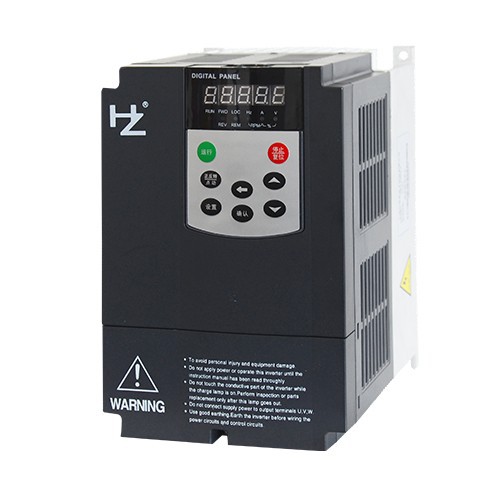
Improve Ventilation
Proper ventilation is crucial for preventing overheating. Make sure that the brake ducts are clear of debris and that the brake components have adequate airflow. You can also install aftermarket brake cooling kits, which can help to improve ventilation and reduce heat buildup.
Monitor Your Brake Temperature
Some vehicles are equipped with a brake temperature monitoring system that can alert you if the brakes are overheating. If your vehicle does not have this feature, you can purchase an aftermarket temperature gauge to monitor the brake temperature. This can help you to detect potential problems early and take corrective action before they cause serious damage.
The Role of Our Brake Units
As a Brake Unit supplier, we are committed to providing high-quality products that are designed to prevent overheating and ensure reliable performance. Our brake units are engineered with advanced cooling technologies and high-quality materials to dissipate heat effectively and withstand the rigors of heavy use.
Advanced Cooling Technologies
Our brake units feature advanced cooling technologies, such as ventilated rotors and cooling fins, that help to increase airflow and reduce heat buildup. These technologies are designed to improve the overall performance and durability of the brake system, even under the most demanding conditions.
High-Quality Materials
We use only the highest quality materials in the manufacturing of our brake units. Our brake pads are made from a special friction material that is designed to provide excellent stopping power and heat resistance. The rotors are made from high-grade steel that is heat-treated to ensure maximum strength and durability.
Rigorous Testing
Before our brake units are released to the market, they undergo rigorous testing to ensure that they meet our strict quality standards. We test our products in a variety of conditions, including high-speed braking, heavy loads, and extreme temperatures, to ensure that they perform reliably and safely.
Conclusion
Preventing overheating in brake units is essential for maintaining the safety and performance of your vehicle. By understanding the causes of overheating and implementing the preventive measures outlined in this blog post, you can help to keep your brakes cool and functioning properly.
If you are in the market for high-quality Brake Units, we invite you to visit our website at Brake Unit to learn more about our products. We also offer a range of other VFD parts, including LCD Panel and LED Digital Panel.
If you have any questions or would like to discuss your specific requirements, please do not hesitate to contact us. We are here to help you find the right solutions for your needs and ensure that your brake system operates at its best.
References
- Bosch Automotive Handbook, 8th Edition
- SAE International Standards for Brake Systems
- Chilton's Auto Repair Manual