

Hey there! As a supplier of Feedback Units, I've seen firsthand how crucial it is to select the right cable for these units. A proper cable not only ensures the smooth operation of the Feedback Unit but also extends its lifespan and improves overall system performance. In this blog, I'll share some tips on how to pick the right cable for your Feedback Unit.
Understanding the Basics of Feedback Units
Before we dive into cable selection, let's quickly go over what a Feedback Unit does. A Feedback Unit is a device that provides information about the position, speed, or other parameters of a machine component. This information is then used by a control system to adjust the operation of the machine. Common types of Feedback Units include encoders, resolvers, and tachometers.
Factors to Consider When Selecting a Cable
1. Electrical Requirements
- Voltage Rating: The cable you choose must have a voltage rating that can handle the electrical potential of the Feedback Unit. If the voltage rating is too low, the cable may overheat and fail. On the other hand, a cable with a much higher voltage rating than necessary can be more expensive and bulkier.
- Current Capacity: The cable should be able to carry the current required by the Feedback Unit without excessive voltage drop. A voltage drop can cause inaccurate readings from the Feedback Unit, leading to poor system performance.
2. Signal Integrity
- Shielding: Feedback Units often transmit low - level signals that can be easily affected by electromagnetic interference (EMI) and radio - frequency interference (RFI). A shielded cable helps to protect these signals from external interference. There are different types of shielding, such as braided shields and foil shields. Braided shields offer good flexibility and mechanical protection, while foil shields provide better high - frequency shielding.
- Twisted Pairs: Using twisted pairs in the cable can also help to reduce EMI and RFI. The twisting of the wires cancels out the electromagnetic fields generated by the current flowing through them, minimizing interference.
3. Environmental Conditions
- Temperature: If the Feedback Unit is installed in an environment with extreme temperatures, the cable must be able to withstand these conditions. For example, in high - temperature environments, cables with heat - resistant insulation materials like silicone or fluoropolymers are a good choice. In cold environments, cables should be flexible enough to prevent cracking.
- Moisture and Chemical Exposure: In wet or chemically - exposed environments, the cable should have a protective jacket that resists moisture and chemicals. PVC jackets are commonly used for general - purpose applications, while more specialized materials like polyurethane or Teflon may be required for harsh chemical environments.
4. Mechanical Requirements
- Flexibility: If the Feedback Unit is part of a moving machine component, the cable needs to be flexible enough to bend and flex without breaking. Cables with a smaller diameter and a more flexible construction are suitable for such applications.
- Tensile Strength: The cable should be able to withstand the pulling forces exerted on it during installation and operation. Cables with high - strength conductors and a strong outer jacket are better able to handle these forces.
Types of Cables Suitable for Feedback Units
1. Shielded Twisted Pair (STP) Cables
STP cables are a popular choice for Feedback Units. They combine the benefits of shielding and twisted pairs, providing excellent protection against EMI and RFI. These cables are commonly used in industrial automation applications where signal integrity is crucial.
2. Coaxial Cables
Coaxial cables have a central conductor surrounded by a dielectric, a metallic shield, and an outer jacket. They are known for their high - frequency performance and are suitable for applications where long - distance signal transmission is required. However, they are less flexible than STP cables.
3. Flat Ribbon Cables
Flat ribbon cables are often used in applications where space is limited. They are easy to install and can be used for short - distance signal transmission between the Feedback Unit and the control system.
Compatibility with Other Components
When selecting a cable for a Feedback Unit, it's also important to consider its compatibility with other components in the system. For example, the connectors on the cable should match the connectors on the Feedback Unit and the control system. Using incompatible connectors can lead to poor electrical connections and signal loss.
Cost - Benefit Analysis
While it's important to choose a high - quality cable for your Feedback Unit, you also need to consider the cost. There's a balance between getting a cable that meets all your requirements and staying within your budget. Sometimes, a slightly more expensive cable can save you money in the long run by reducing the risk of system failures and downtime.
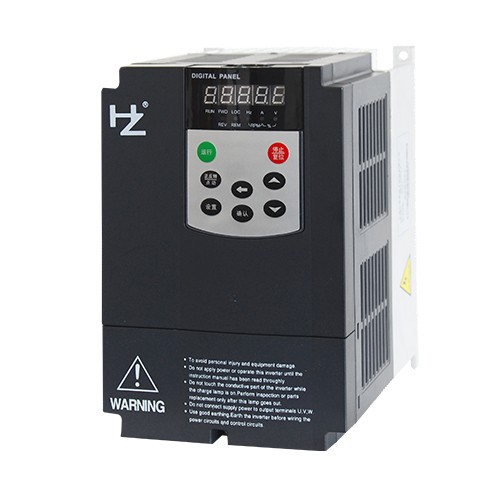
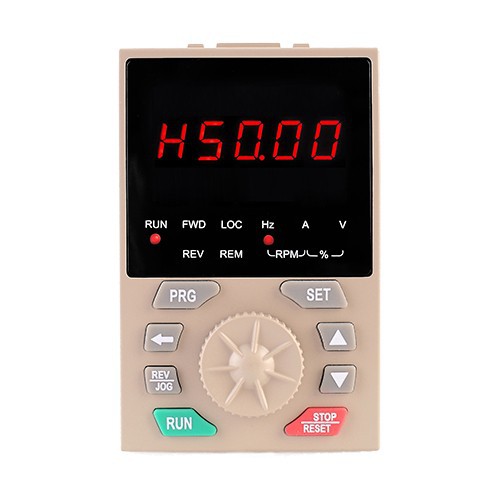
Related Products
If you're also looking for other components for your variable frequency drive (VFD) system, check out these links: Braking Resistance for VFD, LED Digital Panel, and LCD Panel.
Conclusion
Selecting the right cable for a Feedback Unit is a multi - faceted decision that involves considering electrical requirements, signal integrity, environmental conditions, mechanical requirements, compatibility, and cost. By taking the time to evaluate these factors, you can ensure that your Feedback Unit operates reliably and efficiently.
If you're in the market for a Feedback Unit or need help with cable selection, don't hesitate to reach out. We're here to assist you in finding the best solutions for your specific needs. Whether you're a small - scale operation or a large industrial facility, we have the expertise and products to meet your requirements. Let's start a conversation about your project and find the perfect cable for your Feedback Unit.
References
- "Electrical Wiring Handbook" by McGraw - Hill
- "Industrial Automation and Control Systems" by various industry experts