

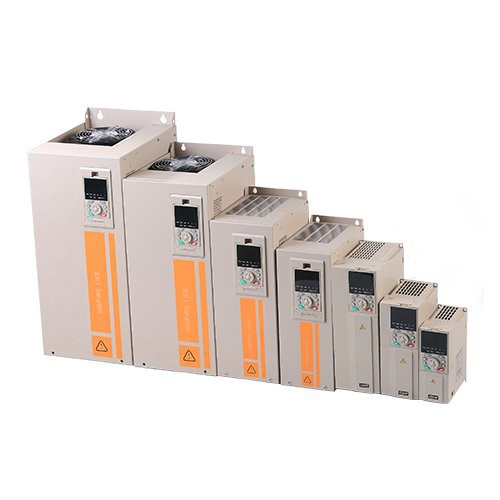
Hey there! As an AC Control Drive supplier, I often get asked about how to set the overload protection of an AC Control Drive. It's a crucial topic because the overload protection can safeguard the drive and the motor it's connected to, preventing damage from excessive current. In this blog post, I'll walk you through the steps of setting the overload protection, explain why it's so important, and share some tips to help you get it right.
Why Overload Protection Matters
First off, let's understand why overload protection is a big deal. An AC Control Drive is designed to control the speed and torque of an electric motor. But sometimes, due to various reasons like mechanical jams, incorrect load sizing, or electrical faults, the motor might draw more current than it's supposed to. This excessive current can overheat the motor windings and the drive components, leading to premature failure and costly repairs.
Overload protection acts as a safety net. When the current exceeds a pre - set limit, the overload protection system will trip the drive, cutting off the power supply to the motor. This not only protects the equipment but also ensures the safety of the operators and the overall system.
Step 1: Determine the Motor's Rated Current
The first step in setting the overload protection is to find out the motor's rated current. This information is usually stamped on the motor's nameplate. The rated current is the amount of current the motor is designed to draw under normal operating conditions. It's a key parameter because the overload protection settings are based on this value.
If you're using a Frequency Drive for Three Phase Motor, make sure to note down the rated current of the three - phase motor it's connected to. The drive needs to be configured to protect the motor based on its specific rated current.
Step 2: Select the Right Overload Protection Method
There are different types of overload protection methods available for AC Control Drives. The most common ones are inverse - time overload protection and definite - time overload protection.
- Inverse - Time Overload Protection: This method is based on the principle that the longer the overload current persists, the faster the protection should trip. In other words, if the current is only slightly above the rated value, the drive can tolerate it for a longer time before tripping. But if the current is significantly higher, the drive will trip much more quickly. It mimics the behavior of a fuse or a thermal overload relay.
- Definite - Time Overload Protection: In this case, the drive will trip after a fixed amount of time once the overload current is detected, regardless of how high the overload current is. This method is useful in applications where you need a quick and consistent response to overload conditions.
As an AC Control Drive supplier, I usually recommend inverse - time overload protection for most general - purpose applications because it provides a good balance between protection and flexibility.
Step 3: Set the Overload Rating
Once you've selected the overload protection method, you need to set the overload rating. This is usually expressed as a percentage of the motor's rated current.
For example, if you set the overload rating to 110%, it means the drive will tolerate a current up to 110% of the motor's rated current for a certain period of time before tripping. The exact time - current characteristics are determined by the type of overload protection method you've chosen.
In some cases, you might need to adjust the overload rating based on the application requirements. For instance, if the motor is frequently started and stopped or has a high - inertia load, you might need to increase the overload rating slightly to prevent nuisance tripping.
Step 4: Adjust the Time - Current Curve
The time - current curve is a graphical representation of how long the drive can tolerate an overload current before tripping. Different AC Control Drives have different time - current curves, and you can usually adjust them according to your needs.
If you're using a Synchronous Motor Drive, pay special attention to the time - current curve. Synchronous motors have different characteristics compared to asynchronous motors, and the overload protection settings need to be optimized accordingly.
Step 5: Test the Overload Protection
After setting up the overload protection, it's crucial to test it to make sure it works as expected. You can do a test run with a moderate overload to see if the drive trips at the right time.
However, be careful when conducting the test. Make sure you have proper safety measures in place to prevent any damage to the equipment or harm to the operators. If the drive doesn't trip when it should or trips too frequently, you might need to go back and adjust the settings.

Tips for Setting Overload Protection
- Consider the Application: Different applications have different requirements. For example, in a conveyor system, the load might vary depending on the amount of material being transported. In a machine tool application, the motor might experience short - term high - load conditions during cutting operations. Understanding the application can help you set the overload protection more accurately.
- Use the Manufacturer's Guidelines: As an AC Control Drive supplier, I always encourage our customers to refer to the manufacturer's guidelines. The guidelines provide detailed information about the drive's features, settings, and recommended overload protection values. Following the guidelines can save you a lot of time and prevent mistakes.
- Regularly Monitor and Maintain: Overload protection settings can change over time due to factors like component aging, temperature variations, and changes in the operating environment. Regularly monitor the drive's performance and check the overload protection settings to ensure they're still appropriate.
Conclusion
Setting the overload protection of an AC Control Drive is an important task that requires careful consideration. By following the steps outlined in this post, you can ensure that your drive and motor are well - protected from overload conditions.
If you're in the market for an AC Control Drive or need more advice on overload protection settings, 3.7KW VFD and other products we offer might be just what you need. Our team of experts is always here to help you choose the right product and configure it for your specific application. So don't hesitate to reach out for a friendly chat about your purchasing needs. We're eager to assist you in getting the most out of your AC Control Drive!
References
- Electric Motor Handbook: Covers detailed information on motor operation and protection.
- AC Control Drive User Manuals: Provide specific instructions for setting up and configuring drives.