

Hey there! As a supplier of VF Control Variable Frequency Drives (VFDs), I often get asked about setting up regenerative braking for these drives. It's a crucial aspect, especially for applications where energy efficiency and precise control are top priorities. So, let's dive into how you can set up regenerative braking for a VF Control VFD.
What is Regenerative Braking?
First off, we need to understand what regenerative braking is. In simple terms, it's a method of braking where the energy generated during the braking process is fed back into the power supply instead of being dissipated as heat. This not only saves energy but can also reduce wear and tear on the braking resistors or other braking components.
When a motor is in a braking mode, it essentially acts as a generator, converting mechanical energy into electrical energy. In a normal scenario, this energy would be wasted, but with regenerative braking, we can capture and reuse it.
Why Use Regenerative Braking with VF Control VFDs?
There are several reasons why you'd want to use regenerative braking with VF Control VFDs. For one, it significantly improves energy efficiency. In many industrial applications, motors often go through frequent acceleration and deceleration cycles. By capturing the energy during deceleration, you can reduce the overall power consumption of the system.
Another advantage is improved control. Regenerative braking allows for more precise control of the braking process. You can adjust the amount of braking torque and the rate at which the motor decelerates, which is especially useful in applications where smooth and accurate stops are required.
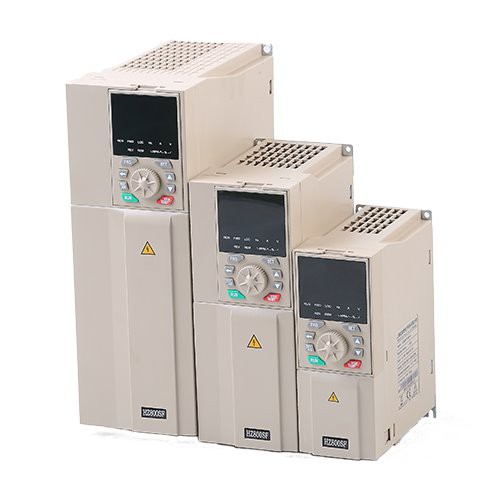

Components Needed for Regenerative Braking
To set up regenerative braking for a VF Control VFD, you'll need a few key components:
- Regenerative Braking Unit: This is the heart of the regenerative braking system. It's responsible for converting the DC voltage generated by the motor during braking into AC voltage that can be fed back into the power supply.
- DC Bus Capacitor: This capacitor helps to smooth out the DC voltage on the VFD's DC bus. It stores the energy generated during braking and releases it as needed to the regenerative braking unit.
- Control Circuit: The control circuit is used to monitor the motor's speed, torque, and other parameters. It determines when the motor is in a braking mode and activates the regenerative braking unit accordingly.
Step-by-Step Guide to Setting Up Regenerative Braking
Step 1: Check Your VFD Compatibility
Not all VF Control VFDs are compatible with regenerative braking. Before you start the setup process, make sure your VFD has the necessary features and capabilities. You can refer to the VFD's user manual or contact the manufacturer for more information.
Step 2: Install the Regenerative Braking Unit
Once you've confirmed that your VFD is compatible, it's time to install the regenerative braking unit. This usually involves connecting the unit to the VFD's DC bus. Make sure to follow the manufacturer's instructions carefully to ensure proper installation.
Step 3: Connect the DC Bus Capacitor
After installing the regenerative braking unit, connect the DC bus capacitor to the VFD's DC bus. The capacitor should be rated for the appropriate voltage and capacitance values as specified in the VFD's manual.
Step 4: Configure the Control Circuit
Next, you'll need to configure the control circuit. This involves setting up the parameters on the VFD to enable regenerative braking. You'll need to specify the braking torque, the deceleration time, and other relevant parameters. Again, refer to the VFD's manual for detailed instructions on how to configure these settings.
Step 5: Test the System
Once you've completed the installation and configuration, it's time to test the system. Start the motor and gradually increase the speed. Then, initiate a braking operation to see if the regenerative braking system is working properly. Monitor the system's performance and make any necessary adjustments to the settings.
Troubleshooting Common Issues
During the setup or operation of the regenerative braking system, you may encounter some common issues. Here are a few tips on how to troubleshoot them:
- Overvoltage: If you notice an overvoltage condition on the DC bus, it could be due to a problem with the regenerative braking unit or the DC bus capacitor. Check the connections and make sure the components are rated correctly.
- Insufficient Braking Torque: If the braking torque is insufficient, you may need to adjust the braking parameters on the VFD. You can also check the motor's load and make sure it's within the rated capacity of the VFD.
- Communication Errors: If you're experiencing communication errors between the VFD and the control circuit, check the wiring and make sure the communication settings are configured correctly.
Applications of Regenerative Braking with VF Control VFDs
Regenerative braking with VF Control VFDs has a wide range of applications. Some common examples include:
- Elevators: In elevator systems, regenerative braking can save a significant amount of energy. When the elevator is descending, the motor acts as a generator, and the energy generated is fed back into the power supply.
- Conveyor Systems: Conveyor systems often require frequent starting and stopping. By using regenerative braking, you can reduce the energy consumption and improve the overall efficiency of the system.
- Industrial Machinery: Many industrial machines, such as machine tools and presses, can benefit from regenerative braking. It allows for more precise control of the machine's operation and can extend the lifespan of the braking components.
Where to Find the Right Components
If you're interested in setting up regenerative braking for your VF Control VFD, you can find a variety of high-quality components on our website. We offer a range of products, including 30KW VFD, VFD Single Phase To 3 Phase, and Inverter Drive. These products are designed to work seamlessly with VF Control VFDs and can help you achieve optimal performance and energy efficiency.
Contact Us for More Information
If you have any questions or need further assistance with setting up regenerative braking for your VF Control VFD, don't hesitate to contact us. Our team of experts is always ready to help you with your procurement and technical needs. Whether you're a small business or a large industrial enterprise, we can provide you with the right solutions to meet your requirements.
References
- Manufacturer's manuals for VF Control VFDs
- Technical documents on regenerative braking systems
- Industry standards and best practices for VFD applications