

Hey there! As a supplier of 45KW VFDs, I've had my fair share of experiences dealing with the challenges that come with using these drives in a marine environment. One of the most pressing issues we often face is corrosion. In this blog, I'll share some anti - corrosion measures that you should take for a 45KW VFD in a marine setting.
First off, let's understand why corrosion is such a big deal in the marine environment. The marine environment is harsh, with high humidity, saltwater spray, and constant exposure to oxygen. Saltwater is a highly conductive electrolyte, which accelerates the corrosion process. When metal parts of the VFD come into contact with saltwater, it can lead to rusting, pitting, and eventually, failure of the drive.
Enclosure Design
The first line of defense against corrosion is the enclosure of the VFD. A well - designed enclosure can protect the internal components from direct exposure to the harsh marine environment.
- Material Selection: Choose an enclosure made of corrosion - resistant materials. Stainless steel is a great option as it has excellent resistance to saltwater corrosion. Aluminum can also be used, but it needs to be properly treated to prevent galvanic corrosion. For example, anodizing the aluminum can create a protective oxide layer on the surface.
- Sealing: Ensure that the enclosure is properly sealed. A tight seal will prevent saltwater spray, moisture, and dust from entering the enclosure. Gaskets made of rubber or silicone can be used to seal the joints and openings of the enclosure. Make sure the gaskets are in good condition and are replaced regularly.
Coating and Painting
Applying a protective coating or paint to the VFD and its enclosure can significantly enhance its corrosion resistance.
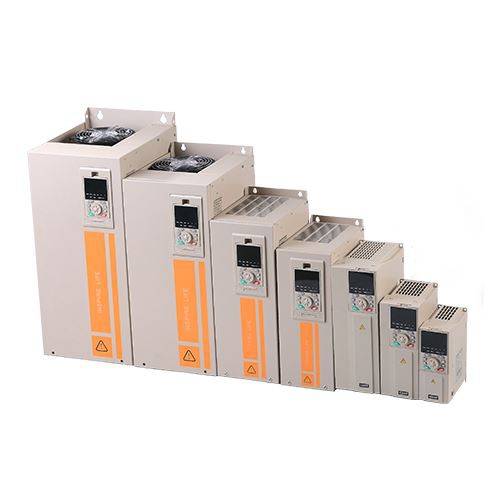

- Epoxy Coatings: Epoxy coatings are known for their excellent adhesion and corrosion - resistant properties. They can form a tough, protective barrier on the surface of the metal parts. Before applying the epoxy coating, the surface should be properly cleaned and prepared to ensure good adhesion.
- Powder Coating: Powder coating is another popular option. It is a dry finishing process that involves applying a fine powder to the surface of the VFD and then baking it to form a hard, durable coating. Powder coatings are resistant to chipping, scratching, and corrosion.
Circuit Board Protection
The circuit boards inside the VFD are vulnerable to corrosion. Saltwater and moisture can cause short - circuits and damage to the electronic components.
- Conformal Coating: A conformal coating can be applied to the circuit boards to protect them from moisture, dust, and corrosion. Conformal coatings are thin, protective films that conform to the shape of the circuit board. They can be made of materials such as acrylic, silicone, or urethane.
- Encapsulation: In some cases, encapsulation can be used to protect the circuit boards. Encapsulation involves covering the entire circuit board with a protective resin. This provides a high level of protection against moisture and corrosion, but it can make repairs more difficult.
Air Filtration and Ventilation
Proper air filtration and ventilation are essential for maintaining the performance of the VFD and preventing corrosion.
- Air Filters: Install high - quality air filters in the VFD enclosure. These filters can remove salt particles, dust, and other contaminants from the incoming air. Regularly replace the air filters to ensure their effectiveness.
- Ventilation System: A well - designed ventilation system can help to remove heat and moisture from the enclosure. However, make sure that the ventilation system is designed in such a way that it prevents saltwater spray from entering the enclosure. You can use baffles or louvers to direct the airflow and prevent water ingress.
Regular Maintenance
Regular maintenance is crucial for keeping the 45KW VFD in good condition and preventing corrosion.
- Inspection: Regularly inspect the VFD for signs of corrosion, such as rust, pitting, or discoloration. Check the enclosure, circuit boards, and electrical connections. If you notice any signs of corrosion, take immediate action to address the issue.
- Cleaning: Clean the VFD and its enclosure regularly. Use a soft brush or a compressed air gun to remove dust and debris. If there is salt buildup on the surface, use a mild detergent solution to clean it off. Make sure to dry the VFD thoroughly after cleaning.
Additional Considerations
- Location: Try to install the VFD in a location that is protected from direct exposure to saltwater spray and high humidity. For example, you can install it inside a climate - controlled cabin or a sheltered area.
- Monitoring: Use sensors to monitor the environmental conditions inside and outside the VFD enclosure. This can help you detect any changes in humidity, temperature, or salt concentration early and take appropriate measures.
As a supplier of 45KW VFDs, I can offer you high - quality products that are designed to withstand the challenges of the marine environment. We also provide technical support and advice on anti - corrosion measures. If you're interested in our Outdoor VFD, [3.7KW VFD](/vfd/3 - 7kw-vfd.html), or [Vector Control VFD](/vfd/vector - control - vfd.html), or if you have any questions about anti - corrosion measures for your VFD, don't hesitate to reach out. We're here to help you make the best choice for your marine applications.
References
- "Corrosion in Marine Environments: Causes and Prevention" - A technical guide on marine corrosion published by a leading industry research institute.
- "VFD Installation and Maintenance in Harsh Environments" - A white paper from a well - known VFD manufacturer that provides insights into protecting VFDs from environmental damage.