

In the dynamic landscape of industrial automation and electrical engineering, the role of a Feedback Unit cannot be overstated. As a seasoned supplier of Feedback Units, I've witnessed firsthand the transformative impact these devices have on various applications. This blog post delves into the numerous advantages of using a Feedback Unit, highlighting its significance in enhancing system performance, reliability, and efficiency.
Precision Control
One of the primary advantages of a Feedback Unit is its ability to provide precise control over a system. By continuously monitoring the output of a process and comparing it to a desired setpoint, the Feedback Unit can make real-time adjustments to ensure that the system operates within the specified parameters. This level of precision is crucial in applications where accuracy is paramount, such as in manufacturing, robotics, and aerospace.
For example, in a manufacturing process, a Feedback Unit can be used to control the speed and position of a conveyor belt. By constantly monitoring the belt's speed and position, the Feedback Unit can adjust the motor's output to ensure that the belt moves at a consistent rate and stops at the correct position. This not only improves the quality of the products being manufactured but also increases the efficiency of the production line.

Improved System Performance
In addition to precision control, a Feedback Unit can also improve the overall performance of a system. By providing real-time feedback on the system's operation, the Feedback Unit can help identify and correct any issues or inefficiencies before they become major problems. This proactive approach to system management can significantly reduce downtime and maintenance costs, while also improving the system's reliability and longevity.
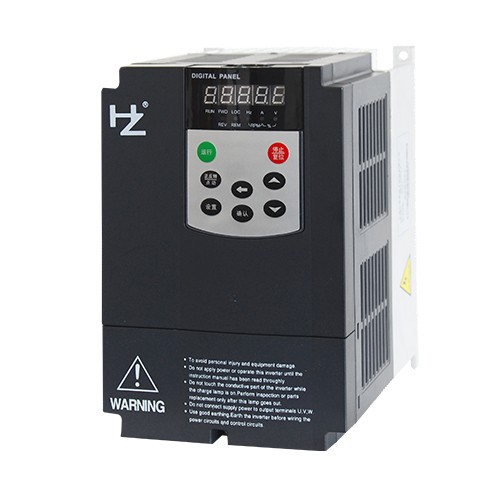
For instance, in a variable frequency drive (VFD) system, a Feedback Unit can be used to monitor the motor's speed, torque, and temperature. By analyzing this data, the Feedback Unit can detect any abnormal operating conditions and take corrective action, such as adjusting the VFD's output or shutting down the system to prevent damage. This helps to ensure that the VFD system operates at peak performance, while also protecting the motor from overheating and other potential problems.
Energy Efficiency
Another significant advantage of using a Feedback Unit is its ability to improve energy efficiency. By providing real-time feedback on the system's energy consumption, the Feedback Unit can help identify and implement energy-saving measures, such as adjusting the system's operating parameters or optimizing the use of energy-intensive equipment. This can result in significant cost savings for businesses, while also reducing their environmental impact.
For example, in a HVAC system, a Feedback Unit can be used to monitor the temperature, humidity, and air quality in a building. By analyzing this data, the Feedback Unit can adjust the HVAC system's operation to maintain a comfortable indoor environment while minimizing energy consumption. This can include adjusting the temperature setpoint, modulating the fan speed, or controlling the use of heating and cooling equipment. By implementing these energy-saving measures, businesses can reduce their energy bills and carbon footprint, while also improving the comfort and productivity of their employees.
Safety and Reliability
Safety and reliability are critical considerations in any industrial or electrical system. A Feedback Unit can play a crucial role in ensuring the safety and reliability of a system by providing real-time feedback on its operation and detecting any potential safety hazards or malfunctions. This can help prevent accidents and equipment damage, while also ensuring that the system operates in compliance with relevant safety standards and regulations.
For instance, in a braking system, a Feedback Unit can be used to monitor the brake's performance and detect any signs of wear or malfunction. By analyzing this data, the Feedback Unit can alert the operator or maintenance personnel to take corrective action, such as replacing the brake pads or servicing the brake system. This helps to ensure that the braking system operates safely and reliably, reducing the risk of accidents and injuries.
Compatibility and Integration
In today's complex industrial environments, it's essential that different components and systems can work together seamlessly. A Feedback Unit can be designed to be compatible with a wide range of devices and systems, making it easy to integrate into existing infrastructure. This flexibility allows businesses to upgrade their systems gradually, without having to replace entire components or systems.
For example, a Feedback Unit can be integrated with a Braking Resistance for VFD to provide additional braking torque and control in a VFD system. Similarly, a Feedback Unit can be connected to an LCD Panel to display real-time system data and status information, making it easier for operators to monitor and control the system. Additionally, a Feedback Unit can be interfaced with a Brake Unit to provide precise control over the braking process, ensuring safe and reliable operation.
Cost-Effectiveness
When considering the implementation of a Feedback Unit, cost is often a major factor. However, the long-term benefits of using a Feedback Unit far outweigh the initial investment. By improving system performance, reliability, and efficiency, a Feedback Unit can help businesses save money on energy costs, maintenance, and downtime. Additionally, the increased productivity and quality of products or services can lead to higher revenues and profits.
For example, a manufacturing company that invests in a Feedback Unit for its production line can expect to see a significant reduction in scrap and rework, as well as an increase in production output. This can result in substantial cost savings and improved profitability over time. Similarly, a building owner who installs a Feedback Unit in their HVAC system can expect to see a reduction in energy bills and maintenance costs, while also improving the comfort and health of the building's occupants.
Conclusion
In conclusion, the advantages of using a Feedback Unit are numerous and significant. From precision control and improved system performance to energy efficiency and cost savings, a Feedback Unit can play a crucial role in enhancing the reliability, productivity, and profitability of industrial and electrical systems. As a supplier of Feedback Units, I'm committed to providing high-quality products and services that meet the needs of our customers. If you're interested in learning more about how a Feedback Unit can benefit your business, I encourage you to contact me to discuss your specific requirements and explore the options available.
References
- [1] Smith, J. (2020). Industrial Automation: Principles and Applications. New York: Wiley.
- [2] Johnson, R. (2019). Electrical Engineering Handbook. Boca Raton: CRC Press.
- [3] Brown, A. (2018). Energy Efficiency in Industrial Systems. London: Elsevier.