

In the dynamic landscape of industrial control systems and automation, feedback units play a pivotal role in ensuring precision, efficiency, and reliability. As a seasoned supplier of feedback units, I've witnessed firsthand the diverse applications and the critical differences between internal and external feedback units. This blog aims to delve into these differences, shedding light on their unique characteristics, advantages, and suitable use - cases.
Understanding Feedback Units
Before we explore the differences, let's first understand what feedback units are. In essence, feedback units are devices that provide information about a system's output or performance. This information is then used to adjust the system's input, ensuring that it operates within the desired parameters. They are the eyes and ears of automated systems, enabling real - time monitoring and control.
Internal Feedback Units
Internal feedback units are integrated directly into the drive or motor system. They are an inherent part of the equipment, working in tandem with the internal control mechanisms.
Construction and Integration
One of the key features of internal feedback units is their seamless integration. They are designed to fit precisely within the motor or drive housing, sharing the same power supply and control circuits. This integration not only saves space but also simplifies the installation process. For example, in a servo motor system, the internal encoder is often built directly onto the motor shaft, allowing for direct measurement of the motor's rotational position.
Performance and Accuracy
Internal feedback units are known for their high - level of accuracy. Since they are physically close to the source of motion, they can provide real - time and precise data. For instance, in a high - speed spindle motor, an internal encoder can detect even the slightest changes in speed or position, enabling the control system to make immediate adjustments. This accuracy is crucial in applications where precision is paramount, such as in CNC machining or robotics.
Protection and Reliability
Being enclosed within the motor or drive housing, internal feedback units are protected from external contaminants such as dust, moisture, and debris. This protection enhances their reliability and longevity, reducing the need for frequent maintenance. However, in the event of a failure, accessing and replacing an internal feedback unit can be more complex and time - consuming compared to an external unit.
Cost Considerations
From a cost perspective, internal feedback units are often more expensive upfront. The integration process requires specialized design and manufacturing techniques, which add to the overall cost. However, when considering the long - term benefits of accuracy and reliability, the investment can be justified in many applications.
External Feedback Units
External feedback units, on the other hand, are separate devices that are installed outside the motor or drive system. They are connected to the system via cables or wireless communication.
Flexibility and Adaptability
One of the major advantages of external feedback units is their flexibility. They can be easily installed or removed from the system, allowing for quick upgrades or changes. For example, if a production line needs to be reconfigured, an external encoder can be relocated to a different position without major modifications to the motor or drive. This adaptability makes external feedback units suitable for applications where changes in the system are frequent.
Monitoring and Troubleshooting
External feedback units provide an additional layer of monitoring. Since they are separate from the motor or drive, they can be used to cross - check the data provided by the internal feedback unit. In case of a discrepancy, it can indicate a potential problem in the system. This makes troubleshooting easier and more efficient. For instance, in a conveyor belt system, an external speed sensor can be used to verify the speed data provided by the motor's internal encoder.
Compatibility
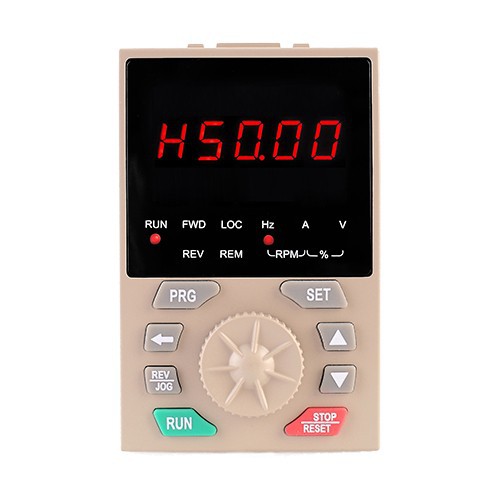
External feedback units offer greater compatibility with different types of systems. They can be used with a wide range of motors and drives, regardless of the manufacturer. This is particularly useful in retrofit applications, where an existing system needs to be upgraded with a new feedback unit. For example, an external LED Digital Panel can be easily connected to a variable frequency drive (VFD) to display real - time operating parameters.
Installation and Maintenance
Installing an external feedback unit is generally less complex than an internal one. Since it is a separate device, it can be mounted in a convenient location, away from the motor or drive. This also makes maintenance and replacement easier. In case of a malfunction, the external unit can be quickly removed and replaced without disassembling the entire motor or drive.
Applications and Use - Cases
The choice between internal and external feedback units depends largely on the specific application requirements.
Internal Feedback Units
- High - Precision Machining: In CNC machining centers, internal feedback units are used to ensure the accuracy of tool movements. The high - speed and high - precision nature of these machines require real - time and accurate position and speed feedback, which internal units can provide.
- Robotics: Robots need to perform complex movements with high precision. Internal encoders in robot joints allow for accurate control of the robot's position and orientation, enabling it to perform tasks such as pick - and - place operations with great accuracy.
External Feedback Units
- Industrial Automation: In large - scale industrial automation systems, external feedback units are often used for monitoring and control. For example, in a conveyor system, external sensors can be used to detect the presence, position, and speed of objects on the conveyor, allowing for efficient material handling.
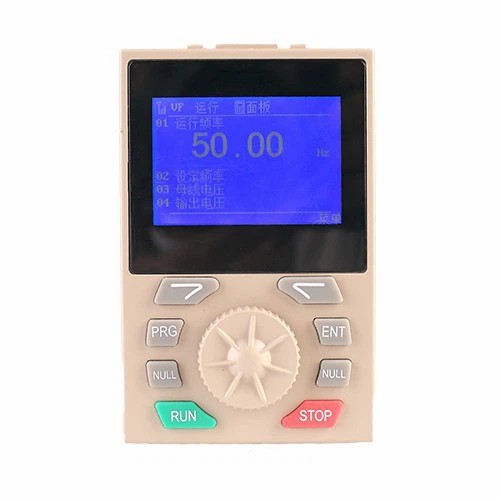
- Renewable Energy: In wind turbines and solar tracking systems, external feedback units are used to monitor the position and orientation of the blades or panels. An external LCD Panel can display important information such as power output, wind speed, and solar irradiance.
Conclusion
In conclusion, both internal and external feedback units have their own unique strengths and weaknesses. Internal feedback units offer high accuracy, protection, and seamless integration, making them ideal for applications where precision and reliability are of utmost importance. External feedback units, on the other hand, provide flexibility, easy installation, and compatibility, making them suitable for applications that require adaptability and easy maintenance.
As a supplier of feedback units, I understand the importance of choosing the right type of feedback unit for your specific application. Whether you need a high - precision internal encoder for a CNC machine or a flexible external LED Digital Panel for a VFD, I can provide you with the best solutions. If you're in the market for feedback units or have any questions about their applications, I encourage you to reach out to me for a detailed discussion. We can work together to find the most suitable feedback unit that meets your requirements and budget.
References
- Dorf, R. C., & Bishop, R. H. (2017). Modern Control Systems. Pearson.
- Nise, N. S. (2015). Control Systems Engineering. Wiley.