

In the dynamic world of display technology, LCD (Liquid Crystal Display) panels stand as a cornerstone, finding their way into a vast array of devices, from smartphones and tablets to televisions and industrial equipment. As an LCD Panel supplier, I've witnessed firsthand the remarkable evolution of this technology and the diverse range of LCD panel types available in the market. In this blog post, I'll delve into the different types of LCD panels, exploring their unique characteristics, applications, and advantages.
Twisted Nematic (TN) Panels
Twisted Nematic panels are among the oldest and most widely used types of LCD panels. They are known for their fast response times, making them ideal for applications where motion blur needs to be minimized, such as gaming monitors and high - speed video playback. TN panels operate by twisting the liquid crystals between two polarizing filters. When an electric current is applied, the crystals untwist, allowing light to pass through and create an image.
One of the main advantages of TN panels is their low cost. This makes them an attractive option for budget - conscious consumers and manufacturers. Additionally, TN panels typically have a high refresh rate, which means they can display smooth, fluid motion. However, TN panels also have some drawbacks. They usually offer limited viewing angles, with colors and contrast degrading significantly when viewed from the side. Their color accuracy is also relatively poor compared to other panel types, making them less suitable for applications that require precise color reproduction, such as graphic design and photo editing.
In - Plane Switching (IPS) Panels
In - Plane Switching panels are a popular choice for applications that demand high - quality color reproduction and wide viewing angles. Unlike TN panels, IPS panels use liquid crystals that are aligned parallel to the glass substrates. When an electric current is applied, the crystals rotate in the same plane, allowing light to pass through and form an image.

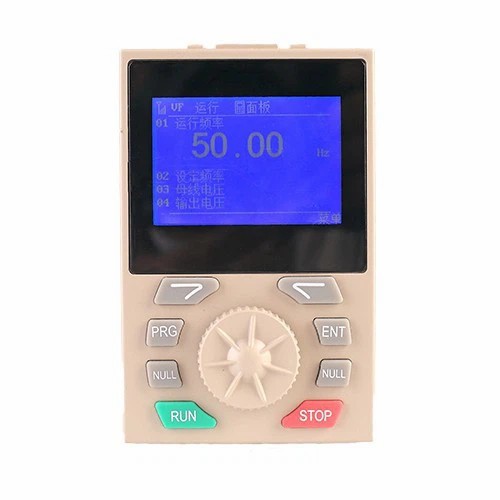
The key advantage of IPS panels is their excellent color accuracy and wide viewing angles. Colors remain consistent and vivid even when viewed from extreme angles, making IPS panels ideal for applications such as professional photo and video editing, as well as home theater systems. IPS panels also offer better contrast ratios compared to TN panels, resulting in deeper blacks and more vibrant colors.
However, IPS panels do have some limitations. They generally have slower response times than TN panels, which can lead to motion blur in fast - paced games or videos. They also tend to consume more power and are more expensive to manufacture, which is reflected in their higher price point.
Vertical Alignment (VA) Panels
Vertical Alignment panels offer a balance between the advantages of TN and IPS panels. VA panels use liquid crystals that are aligned vertically to the glass substrates when no electric current is applied. When an electric current is applied, the crystals tilt, allowing light to pass through and create an image.
VA panels are known for their high contrast ratios, which result in deep blacks and rich colors. This makes them well - suited for applications such as home theaters and dark - themed gaming, where a high level of contrast is desired. They also offer better viewing angles than TN panels, although not as wide as IPS panels.
One of the drawbacks of VA panels is their relatively slow response times, which can lead to motion blur in fast - moving scenes. They also tend to have lower color accuracy compared to IPS panels, although they still offer better color performance than TN panels.
Advanced Fringe Field Switching (AFFS) Panels
Advanced Fringe Field Switching panels are an improvement over traditional IPS panels. AFFS technology uses a more sophisticated electrode design to control the alignment of the liquid crystals more precisely. This results in several advantages, including even wider viewing angles, better color uniformity, and improved response times compared to standard IPS panels.
AFFS panels are commonly used in high - end smartphones, tablets, and monitors. Their ability to provide consistent color and high - quality visuals from multiple angles makes them ideal for devices that are often viewed from different perspectives. They also offer good color accuracy and contrast, making them suitable for a wide range of applications, from multimedia consumption to professional content creation.
OLED (Organic Light - Emitting Diode) - based LCD Panels
While OLED is a different technology from traditional LCD, there are also hybrid solutions that combine aspects of both. OLED - based LCD panels use organic compounds that emit light when an electric current is applied. This eliminates the need for a backlight, resulting in several advantages.
OLED - based LCD panels offer true blacks, as each pixel can be turned off completely. This leads to extremely high contrast ratios and vibrant colors. They also have fast response times, making them suitable for applications such as gaming and high - speed video playback. Additionally, OLED panels are thinner and more flexible than traditional LCD panels, opening up new possibilities for device design.
However, OLED panels have some limitations. They are more expensive to manufacture, which is reflected in their higher price. They also have a limited lifespan, especially when displaying static images for long periods, which can lead to a phenomenon called burn - in.
Applications of Different LCD Panel Types
The choice of LCD panel type depends on the specific application. For gaming monitors, TN panels are often a popular choice due to their fast response times and high refresh rates. However, for professional gaming or those who demand high - quality visuals, IPS or VA panels may be a better option.
In the realm of professional content creation, such as graphic design, photo editing, and video production, IPS panels are the preferred choice. Their excellent color accuracy and wide viewing angles ensure that the colors and details in the content are accurately represented.
For home theater systems, VA panels are often a good choice due to their high contrast ratios, which can enhance the viewing experience, especially in a dark room. And for mobile devices, such as smartphones and tablets, AFFS or OLED - based LCD panels are commonly used to provide high - quality visuals and wide viewing angles.
Conclusion
As an LCD Panel supplier, I understand the importance of choosing the right panel type for each application. Whether it's the fast - paced world of gaming, the precision - driven field of professional content creation, or the immersive experience of home theater, there is an LCD panel type that can meet the specific needs.
If you're in the market for LCD panels, whether for a small - scale project or a large - scale manufacturing operation, I encourage you to reach out for a detailed discussion. We offer a wide range of LCD Panel types, including TN, IPS, VA, AFFS, and OLED - based options. Our team of experts can help you select the most suitable panel for your requirements, ensuring that you get the best performance and value for your investment.
We also supply related products such as LED Digital Panel and Feedback Unit to complement your LCD panel needs. Don't hesitate to contact us to start a procurement discussion and find the perfect solution for your display requirements.
References
- "Fundamentals of Liquid Crystal Displays" by Shin - Tson Wu and Dai - Zhang Yang
- "Display Technology Handbook" edited by John A. Robertson
- Industry reports from market research firms such as Display Supply Chain Consultants (DSCC)