

As a supplier of VFD (Variable Frequency Drive) parts, understanding the mechanical strength requirements for these components is crucial. VFDs are widely used in various industrial and commercial applications to control the speed and torque of electric motors. The mechanical strength of VFD parts directly impacts their performance, reliability, and lifespan. In this blog post, I will delve into the key mechanical strength requirements for different VFD parts and explain why they are so important.
Housing and Enclosure
The housing and enclosure of a VFD serve as the first line of defense, protecting the internal components from physical damage, dust, moisture, and other environmental factors. The mechanical strength of the housing is essential to ensure that it can withstand external forces such as impacts, vibrations, and pressure.
Impact Resistance
VFDs are often installed in industrial environments where they may be subject to accidental impacts from tools, equipment, or moving objects. The housing should be made of materials with high impact resistance, such as robust plastics or metal alloys. For example, some enclosures are constructed from fiberglass - reinforced polyester, which can absorb and dissipate the energy of an impact, preventing damage to the internal circuitry.
Vibration Resistance
Vibrations are common in industrial settings, especially near motors and other rotating equipment. Prolonged exposure to vibrations can loosen connections, cause components to wear out prematurely, and even lead to electrical failures. The housing should be designed to dampen vibrations and keep the internal components stable. This can be achieved through proper mounting techniques, such as using rubber grommets or vibration - isolating pads.
Pressure Resistance
In some applications, VFDs may be exposed to high - pressure environments, such as in hydraulic systems or underwater installations. The housing must be able to withstand the external pressure without deforming or allowing water or other fluids to enter. Pressure - rated enclosures are designed to meet specific pressure requirements and are often sealed to prevent ingress of contaminants.
Circuit Boards and Components
The circuit boards and components inside a VFD are the heart of the system, responsible for processing electrical signals and controlling the motor. These parts also have specific mechanical strength requirements.
Solder Joint Strength
Solder joints are used to connect components to the circuit board. They must have sufficient strength to withstand mechanical stress, thermal cycling, and vibrations. Poor solder joints can lead to intermittent connections, which can cause malfunctions in the VFD. Manufacturers use high - quality solder materials and proper soldering techniques to ensure strong and reliable solder joints.
Component Mounting
Components on the circuit board need to be securely mounted to prevent them from coming loose. This is particularly important for larger components such as electrolytic capacitors and power transistors, which can generate heat and cause mechanical stress. Some components are mounted using through - hole technology, where the leads are inserted through holes in the board and soldered on the other side. Others use surface - mount technology, which requires adhesives or special mounting techniques to keep the components in place.
Cooling Fans and Heat Sinks
Cooling fans and heat sinks are essential for maintaining the proper operating temperature of a VFD. They also have mechanical strength requirements.
Fan Blade Strength
The blades of a cooling fan must be strong enough to rotate at high speeds without breaking or deforming. They are typically made of lightweight but durable materials such as plastic or aluminum. The design of the fan blades is also important, as it affects the airflow and the efficiency of the cooling system.
Heat Sink Structural Integrity
Heat sinks are used to dissipate heat from power - generating components. They must have a strong structure to ensure good thermal contact with the components and to withstand any mechanical stress during installation or operation. Heat sinks are often made of aluminum or copper, which have good thermal conductivity and mechanical properties.
Brake Unit
A brake unit is an important part of a VFD system, used to quickly stop the motor when required. The mechanical strength of a brake unit is crucial for its reliable operation.
Friction Material Strength
The friction material in a brake unit is responsible for generating the braking force. It must have high wear resistance and mechanical strength to withstand the repeated friction and pressure during braking. High - quality friction materials are designed to maintain their performance over a long period of time, reducing the need for frequent replacements.
Structural Components
The structural components of a brake unit, such as the brake housing and the mounting brackets, must be strong enough to support the braking force and any external loads. They are typically made of steel or other high - strength metals to ensure durability and reliability.
LED Digital Panel
The LED digital panel is used to display information about the VFD's operation, such as speed, frequency, and error codes. It also has mechanical strength requirements.
Panel Housing
The housing of the LED digital panel should be strong enough to protect the display from physical damage. It should also be resistant to scratches and environmental factors such as dust and moisture. Some panels are made with a protective glass or plastic cover to enhance their durability.
Mounting and Connection
The panel needs to be securely mounted to the VFD and have reliable electrical connections. The mounting mechanism should be able to withstand vibrations and impacts without causing the panel to come loose or the connections to break.

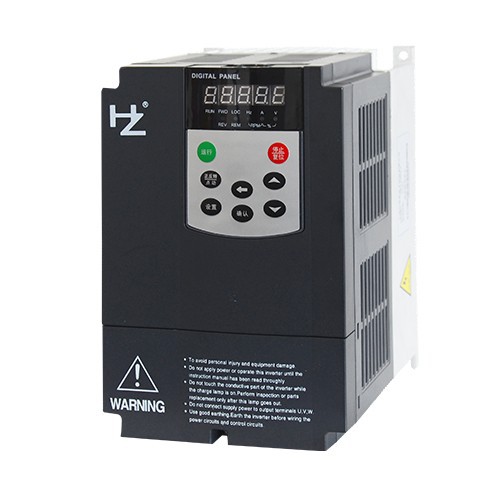
Braking Resistance for VFD
Braking resistance is used in conjunction with the brake unit to dissipate the energy generated during braking. The mechanical strength of the braking resistance is important for its safe and efficient operation.
Resistance Element Strength
The resistance element must be able to withstand the high power and heat generated during braking. It is typically made of materials with high thermal conductivity and mechanical strength, such as ceramic or wire - wound resistors. The design of the resistance element should also ensure good heat dissipation to prevent overheating.
Mounting and Enclosure
The braking resistance needs to be properly mounted and enclosed to protect it from physical damage and environmental factors. The enclosure should be able to dissipate heat effectively and prevent the ingress of dust and moisture.
Why These Requirements Matter
Meeting the mechanical strength requirements for VFD parts is essential for several reasons. Firstly, it ensures the reliability of the VFD system. A VFD that is built with parts that have adequate mechanical strength is less likely to fail, reducing downtime and maintenance costs. Secondly, it enhances the safety of the system. For example, a strong housing can prevent electrical shocks and protect the user from internal components. Thirdly, it extends the lifespan of the VFD. Components with high mechanical strength can withstand the rigors of long - term use, allowing the VFD to operate efficiently for many years.
Conclusion
As a VFD parts supplier, I understand the importance of providing parts that meet the highest mechanical strength requirements. By carefully selecting materials, using proper manufacturing techniques, and conducting rigorous testing, we can ensure that our parts are reliable, durable, and safe. If you are in the market for high - quality VFD parts, I encourage you to reach out to us for a consultation. We can help you choose the right parts for your specific application and provide you with the technical support you need. Whether you are looking for a Brake Unit, an LED Digital Panel, or Braking Resistance for VFD, we have the expertise and the products to meet your needs. Contact us today to start the procurement process and take your VFD system to the next level.
References
- "Variable Frequency Drives Handbook" by D. W. Novotny and T. A. Lipo
- "Electrical Machines and Drives: A First Course" by Stephen J. Chapman
- Industry standards and guidelines for VFD manufacturing and installation