

Hey there! As a supplier of 37KW VFDs, I often get asked about the difference between a 37KW VFD and a frequency converter. So, I thought I'd take a moment to break it down for you in a way that's easy to understand.
First off, let's clear up some terminology. A VFD, or Variable Frequency Drive, and a frequency converter are often used interchangeably, but there are some subtle differences between the two. In simple terms, a VFD is a type of frequency converter, but not all frequency converters are VFDs.
A frequency converter is a device that changes the frequency of an electrical power supply. It can be used to convert power from one frequency to another, such as from 50Hz to 60Hz or vice versa. Frequency converters are commonly used in applications where the power supply frequency needs to be adjusted to match the requirements of a particular device or system.
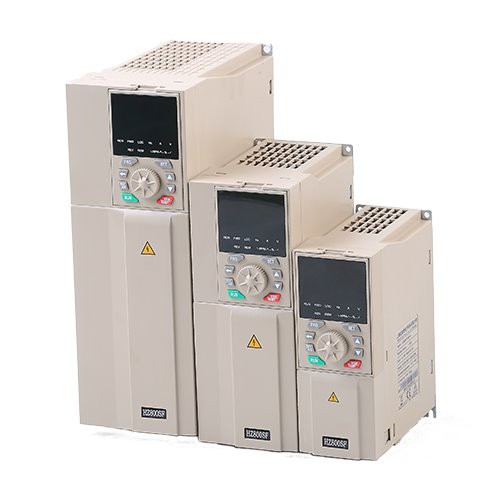
On the other hand, a VFD is a more advanced type of frequency converter that not only changes the frequency of the power supply but also controls the speed of an electric motor. VFDs are designed to provide precise control over the motor's speed, torque, and acceleration, which makes them ideal for a wide range of industrial and commercial applications.
So, what are the key differences between a 37KW VFD and a frequency converter? Let's take a closer look.
1. Functionality
The main difference between a 37KW VFD and a frequency converter lies in their functionality. While a frequency converter is primarily used to change the frequency of the power supply, a 37KW VFD is designed to control the speed of an electric motor. This means that a VFD can be used to adjust the motor's speed based on the specific requirements of the application, which can result in significant energy savings and improved efficiency.
For example, let's say you have a conveyor belt system that needs to run at different speeds depending on the production requirements. A frequency converter would simply change the frequency of the power supply to the motor, but it wouldn't be able to control the motor's speed directly. On the other hand, a 37KW VFD would be able to adjust the motor's speed based on the specific requirements of the conveyor belt system, which would result in more precise control and improved efficiency.
2. Control
Another key difference between a 37KW VFD and a frequency converter is the level of control they provide. A frequency converter typically provides basic control over the frequency of the power supply, but it doesn't offer much in the way of advanced control features. In contrast, a 37KW VFD provides precise control over the motor's speed, torque, and acceleration, which allows for more advanced control strategies and improved performance.
For example, a 37KW VFD can be programmed to start and stop the motor smoothly, which can reduce wear and tear on the motor and other components. It can also be programmed to adjust the motor's speed based on the load, which can result in significant energy savings. Additionally, a 37KW VFD can be integrated with other control systems, such as PLCs or SCADA systems, which allows for even more advanced control and monitoring capabilities.
3. Efficiency
Efficiency is another important factor to consider when comparing a 37KW VFD and a frequency converter. A frequency converter typically has a lower efficiency than a VFD, which means that it consumes more energy to achieve the same level of performance. This is because a frequency converter doesn't provide the same level of control over the motor's speed and torque as a VFD, which can result in wasted energy.
In contrast, a 37KW VFD is designed to provide precise control over the motor's speed and torque, which allows it to operate at maximum efficiency. This means that a 37KW VFD can consume less energy than a frequency converter while still providing the same level of performance. Additionally, a 37KW VFD can be programmed to adjust the motor's speed based on the load, which can further reduce energy consumption and improve efficiency.

4. Cost
Cost is always an important consideration when choosing between a 37KW VFD and a frequency converter. Generally speaking, a 37KW VFD is more expensive than a frequency converter, but it also provides more advanced functionality and control. This means that the additional cost of a 37KW VFD may be justified in applications where precise control over the motor's speed and torque is required.
However, it's important to note that the cost of a 37KW VFD can vary depending on a number of factors, such as the brand, model, and features. Additionally, the cost of installation and maintenance should also be taken into account when comparing the cost of a 37KW VFD and a frequency converter.
Applications
Both 37KW VFDs and frequency converters are used in a wide range of industrial and commercial applications. However, due to their different functionality and control capabilities, they are typically used in different types of applications.
Frequency converters are commonly used in applications where the power supply frequency needs to be adjusted to match the requirements of a particular device or system. For example, frequency converters are often used in international applications where the power supply frequency may be different from the standard frequency in the country. They are also used in some industrial applications where the power supply frequency needs to be adjusted to match the requirements of a particular motor or machine.
On the other hand, 37KW VFDs are used in applications where precise control over the speed and torque of an electric motor is required. Some common applications of 37KW VFDs include:
- Industrial pumps and fans: VFDs can be used to control the speed of pumps and fans, which can result in significant energy savings and improved efficiency.
- Conveyor systems: VFDs can be used to control the speed of conveyor belts, which can improve the efficiency of the production process.
- Machine tools: VFDs can be used to control the speed of machine tools, which can improve the accuracy and quality of the machining process.
- HVAC systems: VFDs can be used to control the speed of HVAC systems, which can result in significant energy savings and improved comfort.
Conclusion
In conclusion, while a 37KW VFD and a frequency converter are both used to change the frequency of an electrical power supply, they have some key differences in terms of functionality, control, efficiency, and cost. A 37KW VFD is a more advanced type of frequency converter that provides precise control over the speed and torque of an electric motor, which makes it ideal for a wide range of industrial and commercial applications.
If you're in the market for a 37KW VFD or a frequency converter, it's important to consider your specific requirements and applications before making a decision. If you need precise control over the speed and torque of an electric motor, a 37KW VFD is likely the best choice. However, if you simply need to change the frequency of the power supply, a frequency converter may be sufficient.
If you have any questions or need more information about 37KW VFDs or frequency converters, please don't hesitate to [contact me for a detailed discussion and procurement negotiation]. I'd be happy to help you find the right solution for your needs.