

In the realm of industrial and commercial applications, Variable Frequency Drives (VFDs) play a pivotal role in controlling the speed and torque of electric motors. As a 45KW VFD supplier, I often encounter inquiries about the differences between constant - torque 45KW VFDs and variable - torque 45KW VFDs. Understanding these differences is crucial for customers to make informed decisions when selecting the appropriate VFD for their specific needs.
Constant - Torque 45KW VFD
A constant - torque 45KW VFD is designed to provide a consistent amount of torque across a wide range of motor speeds. This characteristic makes it ideal for applications where the load requires a fixed amount of torque regardless of the speed at which the motor is operating.
One of the primary applications of constant - torque VFDs is in conveyor systems. Conveyors need to move materials at a steady pace, and the load they carry exerts a constant force. Whether the conveyor is running at a slow speed to handle heavy items or at a higher speed for lighter loads, the motor must maintain a consistent torque to prevent slippage and ensure smooth operation. Another example is in hoisting equipment, such as cranes. When lifting or lowering a load, the motor needs to provide a constant torque to avoid sudden movements that could be dangerous.
The operation principle of a constant - torque VFD is based on maintaining a specific voltage - to - frequency ratio (V/F ratio). As the frequency is adjusted to change the motor speed, the voltage is also adjusted proportionally to keep the magnetic flux in the motor constant. This ensures that the motor can produce the required torque at different speeds.
However, constant - torque VFDs also have some limitations. Since they are designed to provide a high level of torque at all speeds, they typically consume more energy compared to variable - torque VFDs when operating at lower speeds. Additionally, they may require more robust cooling systems due to the higher power dissipation associated with continuous high - torque operation.
Variable - Torque 45KW VFD
On the other hand, a variable - torque 45KW VFD is tailored for applications where the torque requirement varies with the speed of the motor. In many cases, the torque demand decreases as the speed increases.
A classic example of a variable - torque application is in centrifugal fans and pumps. In a centrifugal fan, the torque required to drive the fan blades is proportional to the square of the speed. At low speeds, the torque demand is relatively low, but as the speed increases, the torque requirement grows exponentially. A variable - torque VFD can adjust the motor speed and torque according to the actual load demand, resulting in significant energy savings.
Variable - torque VFDs operate by using advanced control algorithms that can dynamically adjust the voltage and frequency based on the load characteristics. Instead of maintaining a fixed V/F ratio like constant - torque VFDs, they can optimize the power output to match the changing torque requirements.
One of the main advantages of variable - torque VFDs is their energy efficiency. By reducing the power consumption at lower speeds, they can lead to substantial cost savings over time, especially in applications that operate at variable speeds for extended periods. They also tend to have a smaller physical footprint and lower initial costs compared to constant - torque VFDs, making them a more economical choice for many applications.
Key Differences
Torque Characteristics
The most obvious difference between constant - torque and variable - torque 45KW VFDs lies in their torque delivery. Constant - torque VFDs offer a steady torque output across the speed range, while variable - torque VFDs adjust the torque according to the speed, typically with a decreasing torque demand as the speed increases.
Energy Efficiency
Variable - torque VFDs are generally more energy - efficient than constant - torque VFDs, especially in applications with variable speed requirements. Since they can reduce the power consumption at lower speeds, they can result in significant cost savings on electricity bills.
Application Suitability
Constant - torque VFDs are best suited for applications that require a consistent torque output, such as conveyors, hoists, and some types of mixers. Variable - torque VFDs, on the other hand, are ideal for applications where the torque demand varies with speed, such as centrifugal fans, pumps, and blowers.
Cost
In terms of cost, variable - torque VFDs usually have a lower initial purchase price and may also require less expensive installation and maintenance due to their simpler design and lower power consumption. Constant - torque VFDs, however, may be more expensive upfront and may incur higher operating costs over time.
Our Offerings as a 45KW VFD Supplier
As a 45KW VFD supplier, we understand the unique requirements of different applications. We offer a wide range of both constant - torque and variable - torque 45KW VFDs to meet the diverse needs of our customers.
Our constant - torque VFDs are built with high - quality components and advanced control technology to ensure reliable and efficient operation in demanding applications. They are designed to provide a stable torque output across a wide speed range, making them suitable for heavy - duty tasks such as conveyor systems and hoisting equipment.
Our variable - torque VFDs, on the other hand, are optimized for energy efficiency and cost savings. They feature intelligent control algorithms that can adapt to the changing load requirements of centrifugal fans, pumps, and other variable - torque applications.
In addition to our standard product offerings, we also provide customized solutions to meet specific customer requirements. Our team of experienced engineers can work closely with you to design and develop a VFD that is tailored to your unique application.
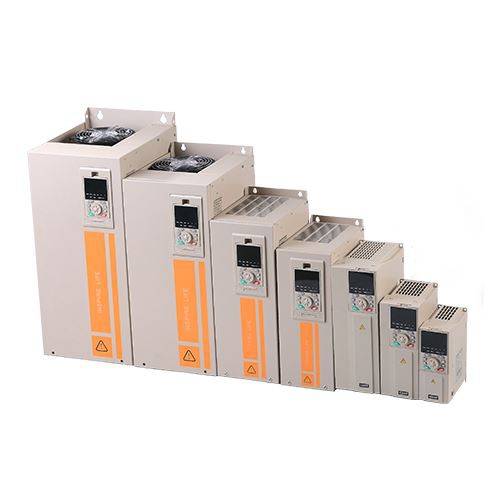

If you are interested in learning more about our VFD For Motors, Single Phase To Single Phase VFD, or Outdoor VFD, please feel free to contact us. We are committed to providing you with the best products and services to help you achieve your operational goals. Whether you need a constant - torque or variable - torque 45KW VFD, we have the expertise and resources to meet your needs.
Conclusion
In conclusion, the choice between a constant - torque 45KW VFD and a variable - torque 45KW VFD depends on the specific requirements of the application. Constant - torque VFDs are suitable for applications that demand a consistent torque output, while variable - torque VFDs are better for applications with variable torque requirements and offer significant energy savings. As a 45KW VFD supplier, we are dedicated to helping our customers make the right choice and providing them with high - quality products and excellent service. If you have any questions or need further information, please do not hesitate to reach out to us for a detailed discussion and procurement negotiation.
References
- Electric Motor Handbook, various editions
- Variable Frequency Drive Application Guides from major manufacturers