

As a reputable supplier of 37KW Variable Frequency Drives (VFDs), I often encounter inquiries regarding the input voltage range of these essential devices. Understanding the input voltage range is crucial for ensuring the proper operation, efficiency, and longevity of a 37KW VFD. In this blog post, I will delve into the details of the input voltage range for a 37KW VFD, exploring the factors that influence it and the implications for users.
What is a Variable Frequency Drive?
Before we discuss the input voltage range, let's briefly review what a VFD is and how it works. A Variable Frequency Drive, also known as a frequency converter or adjustable speed drive, is an electronic device that controls the speed and torque of an electric motor by varying the frequency and voltage of the power supplied to the motor. By adjusting the motor's speed to match the load requirements, VFDs can significantly improve energy efficiency, reduce wear and tear on the motor, and provide precise control over the motor's operation.
Importance of Input Voltage Range
The input voltage range of a VFD refers to the minimum and maximum voltage levels that the drive can accept without experiencing damage or performance issues. Operating a VFD outside of its specified input voltage range can lead to a variety of problems, including overheating, premature component failure, and reduced motor performance. Therefore, it is essential to select a VFD with an input voltage range that is compatible with the available power supply.
Typical Input Voltage Range for a 37KW VFD
The input voltage range for a 37KW VFD can vary depending on the specific model and manufacturer. However, most 37KW VFDs are designed to operate within a range of 380V to 480V, three-phase AC power. This range is commonly used in industrial and commercial applications, where three-phase power is readily available.
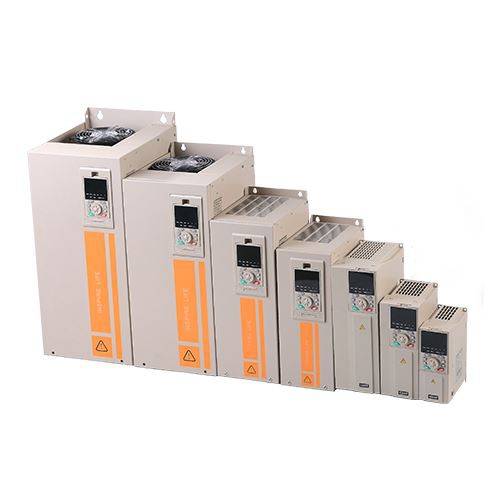

Some VFDs may also be available with a wider input voltage range, such as 200V to 690V, to accommodate different power supply systems around the world. These drives are often referred to as "universal input" VFDs and can be used in a variety of applications, including those with non-standard or unstable power supplies.
Factors Affecting the Input Voltage Range
Several factors can influence the input voltage range of a 37KW VFD, including the design of the drive's power electronics, the type of motor being controlled, and the specific application requirements. Here are some of the key factors to consider:
- Power Electronics Design: The design of the VFD's power electronics, including the rectifier, inverter, and DC bus, plays a crucial role in determining the input voltage range. Drives with more advanced power electronics designs may be able to tolerate a wider range of input voltages without experiencing performance issues.
- Motor Type and Rating: The type and rating of the motor being controlled can also affect the input voltage range of the VFD. Different types of motors, such as induction motors and permanent magnet motors, have different voltage and current requirements. Therefore, it is important to select a VFD that is compatible with the specific motor being used.
- Application Requirements: The specific application requirements, such as the load type, duty cycle, and ambient temperature, can also impact the input voltage range of the VFD. For example, applications with high starting torque requirements or frequent acceleration and deceleration may require a VFD with a wider input voltage range to ensure reliable operation.
Implications of Operating Outside the Input Voltage Range
Operating a 37KW VFD outside of its specified input voltage range can have several negative implications, including:
- Overheating: When a VFD is operated at a voltage that is too high or too low, it can cause the drive's components to overheat. Overheating can lead to premature component failure, reduced motor performance, and even fire hazards.
- Component Damage: Operating a VFD outside of its input voltage range can also cause damage to the drive's components, such as the rectifier, inverter, and DC bus capacitors. Component damage can result in costly repairs or replacement of the VFD.
- Reduced Motor Performance: A VFD that is operated outside of its input voltage range may not be able to provide the necessary voltage and frequency to the motor, resulting in reduced motor performance. This can lead to decreased efficiency, increased energy consumption, and premature motor failure.
Selecting the Right VFD for Your Application
When selecting a 37KW VFD for your application, it is important to consider the input voltage range, as well as other factors such as the motor type, load requirements, and application environment. Here are some tips to help you choose the right VFD:
- Determine the Available Power Supply: Before selecting a VFD, you need to determine the available power supply at your facility. This includes the voltage, frequency, and phase of the power supply. Make sure to choose a VFD with an input voltage range that is compatible with the available power supply.
- Consider the Motor Type and Rating: The type and rating of the motor being controlled can also affect the selection of the VFD. Different types of motors have different voltage and current requirements, so it is important to choose a VFD that is compatible with the specific motor being used.
- Evaluate the Application Requirements: The specific application requirements, such as the load type, duty cycle, and ambient temperature, can also impact the selection of the VFD. Make sure to choose a VFD that is designed to meet the specific needs of your application.
- Choose a Reputable Manufacturer: When selecting a VFD, it is important to choose a reputable manufacturer with a proven track record of quality and reliability. Look for a manufacturer that offers a comprehensive warranty and technical support.
Conclusion
In conclusion, the input voltage range of a 37KW VFD is an important factor to consider when selecting a drive for your application. Operating a VFD outside of its specified input voltage range can lead to a variety of problems, including overheating, component damage, and reduced motor performance. Therefore, it is essential to choose a VFD with an input voltage range that is compatible with the available power supply and the specific requirements of your application.
As a supplier of 37KW VFDs, I am committed to providing high-quality products and excellent customer service. If you have any questions or need assistance in selecting the right VFD for your application, please do not hesitate to contact us. We would be happy to help you find the perfect solution for your needs.
References
- "Variable Frequency Drives: Principles, Operation, and Applications" by Thomas H. Lipo
- "Electric Motor Drives: Modeling, Analysis, and Control" by Ned Mohan, Tore M. Undeland, and William P. Robbins
- "Power Electronics: Converters, Applications, and Design" by Ned Mohan, Tore M. Undeland, and William P. Robbins
Related Links
If you are interested in purchasing a 37KW VFD or have any further questions, please feel free to reach out to us. Our team of experts is ready to assist you in finding the right solution for your specific needs. We look forward to the opportunity to serve you and contribute to the success of your projects.