

Hey there! As a supplier of Feedback Unit, I often get asked about the latency of a Feedback Unit. So, I thought I'd take a few minutes to break it down for you and explain what it is, why it matters, and how it can impact your operations.
What is Latency?
Let's start with the basics. Latency, in the context of a Feedback Unit, refers to the time delay between when a change occurs in the system and when the Feedback Unit detects that change and sends a corresponding signal back to the control system. In simpler terms, it's the time it takes for the Feedback Unit to "catch up" with what's happening in the real world and communicate that information.
Think of it like a game of catch. You throw a ball, and there's a brief moment before your friend catches it. That brief moment is the latency. In a Feedback Unit, this delay can be caused by a variety of factors, including the time it takes for sensors to detect a change, the processing time within the unit itself, and the time it takes to transmit the signal to the control system.
Why Does Latency Matter?
Now, you might be thinking, "Okay, so there's a little delay. Who cares?" Well, in many industrial applications, even a small amount of latency can have a big impact. For example, in a precision manufacturing process, a delay in feedback can lead to inaccuracies in the final product. If the Feedback Unit doesn't detect a change in position or speed quickly enough, the control system might not adjust the machinery in time, resulting in parts that don't meet the required specifications.
In a motion control system, latency can also affect the stability and responsiveness of the system. A high latency can cause the system to overshoot or undershoot its target, leading to vibrations, oscillations, and even system failures. This can not only reduce the efficiency of the system but also increase the risk of damage to the equipment and potential safety hazards.
Factors Affecting Latency
So, what causes latency in a Feedback Unit? There are several factors to consider:
- Sensor Technology: Different types of sensors have different response times. For example, optical sensors are generally faster than mechanical sensors because they can detect changes in light or distance more quickly. The quality and design of the sensors can also impact their response time.
- Processing Power: The Feedback Unit needs to process the data received from the sensors before sending it to the control system. A unit with a higher processing power can analyze the data more quickly, reducing the latency. However, more powerful processors also tend to consume more energy and generate more heat, which can be a consideration in some applications.
- Communication Protocol: The way the Feedback Unit communicates with the control system can also affect the latency. Some communication protocols are faster than others, and the distance between the unit and the control system can also add to the delay. For example, a wired connection is generally faster than a wireless connection, but it may not be practical in all situations.
- Environmental Conditions: The operating environment can also have an impact on the latency of a Feedback Unit. Extreme temperatures, humidity, vibration, and electromagnetic interference can all affect the performance of the sensors and the processing circuitry, leading to increased latency.
Measuring and Minimizing Latency
As a supplier, we understand the importance of minimizing latency in our Feedback Unit. That's why we use high-quality sensors, powerful processors, and efficient communication protocols in our products. We also conduct rigorous testing to ensure that our units meet the highest standards of performance and reliability.
To measure the latency of a Feedback Unit, we typically use specialized test equipment that can accurately measure the time delay between the input and output signals. This allows us to identify any potential issues and make adjustments to improve the performance of the unit.
In addition to using high-quality components and conducting thorough testing, there are several other ways to minimize latency in a Feedback Unit:
- Optimize the System Design: The layout and configuration of the system can have a significant impact on the latency. By minimizing the distance between the sensors, the Feedback Unit, and the control system, and by using high-speed communication cables, you can reduce the signal transmission time.
- Use Real-Time Operating Systems: A real-time operating system (RTOS) can ensure that the Feedback Unit processes the data and sends the signals in a timely manner. An RTOS can prioritize tasks and allocate resources more efficiently, reducing the overall latency of the system.
- Implement Feedback Loop Tuning: Feedback loop tuning involves adjusting the parameters of the control system to optimize the performance of the Feedback Unit. By fine-tuning the gain, integral, and derivative settings, you can improve the stability and responsiveness of the system and reduce the latency.
Applications and Considerations
The latency requirements of a Feedback Unit can vary depending on the application. For example, in a high-speed motion control system, such as a robotics arm or a CNC machine, a very low latency is essential to ensure accurate and precise movement. On the other hand, in a less critical application, such as a simple conveyor belt system, a slightly higher latency may be acceptable.
When choosing a Feedback Unit for your application, it's important to consider the specific requirements of your system. You should also take into account the environmental conditions, the communication protocol, and the overall cost of the unit.
In addition to the latency, there are other factors to consider when selecting a Feedback Unit, such as the accuracy, resolution, and reliability of the unit. You should also ensure that the unit is compatible with your existing control system and that it can be easily integrated into your application.
Related Products
As a supplier of Feedback Unit, we also offer a range of related products that can enhance the performance of your system. For example, our LED Digital Panel provides a clear and easy-to-read display of the system parameters, allowing you to monitor the performance of the Feedback Unit in real-time.
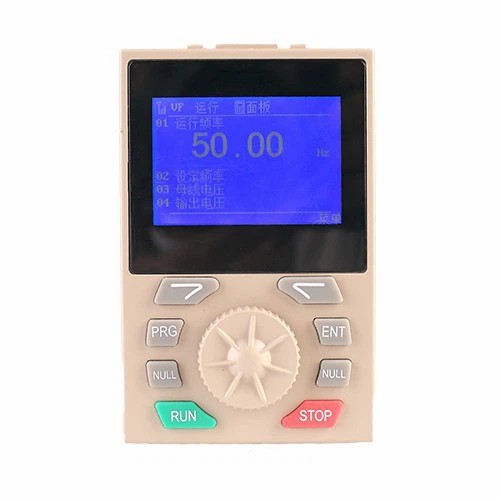
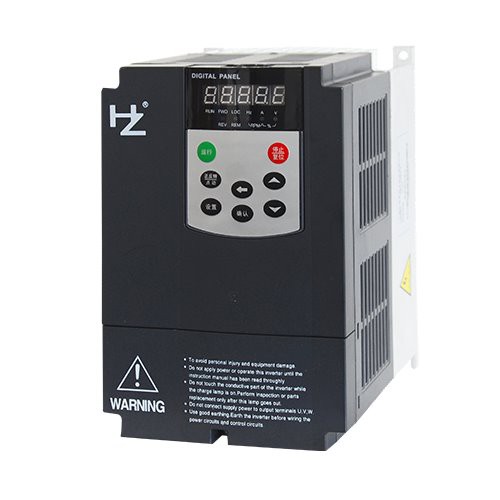
We also offer Braking Resistance for VFD, which can help to dissipate the excess energy generated by the variable frequency drive (VFD) during braking. This can improve the efficiency and reliability of the system and reduce the risk of damage to the equipment.
Conclusion
In conclusion, the latency of a Feedback Unit is an important factor to consider in many industrial applications. A high latency can lead to inaccuracies, instability, and system failures, while a low latency can improve the performance and reliability of the system. By understanding the factors that affect latency and taking steps to minimize it, you can ensure that your Feedback Unit operates at its best.
If you're in the market for a high-quality Feedback Unit or any of our related products, I encourage you to get in touch with us. We'd be happy to discuss your specific requirements and help you find the right solution for your application. Whether you're a small business or a large industrial enterprise, we have the expertise and the products to meet your needs.
References
- Dorf, R. C., & Bishop, R. H. (2016). Modern Control Systems. Pearson.
- Franklin, G. F., Powell, J. D., & Emami-Naeini, A. (2015). Feedback Control of Dynamic Systems. Pearson.
- Kuo, B. C., & Golnaraghi, F. (2017). Automatic Control Systems. Wiley.