

The signal strength of a Feedback Unit is a crucial parameter that significantly impacts the performance and functionality of various industrial and electronic systems. As a dedicated supplier of Feedback Units, I have witnessed firsthand the importance of understanding and optimizing signal strength in these devices.
Understanding the Basics of a Feedback Unit
Before delving into signal strength, it's essential to understand what a Feedback Unit is. A Feedback Unit is a device used in control systems to provide information about the output of a process or system. This information is then used to adjust the input, ensuring that the system operates within the desired parameters. For example, in a variable frequency drive (VFD) system, a Feedback Unit can monitor the speed of a motor and send signals back to the controller, which then adjusts the frequency of the electrical supply to maintain the desired speed.
The Concept of Signal Strength
Signal strength refers to the power or intensity of the signal transmitted by the Feedback Unit. It is usually measured in decibels (dB) and determines how well the signal can travel through the communication medium and be accurately received by the receiving device. A strong signal is more likely to reach its destination without being significantly degraded by noise, interference, or attenuation.
In the context of a Feedback Unit, signal strength is directly related to the accuracy and reliability of the feedback information. If the signal strength is too weak, the receiving device may not be able to accurately interpret the data, leading to errors in the control system. On the other hand, if the signal strength is too strong, it may cause interference with other devices in the vicinity.
Factors Affecting Signal Strength
Several factors can affect the signal strength of a Feedback Unit. One of the primary factors is the distance between the Feedback Unit and the receiving device. As the distance increases, the signal strength decreases due to attenuation. This is because the signal spreads out as it travels, and some of its energy is absorbed or scattered by the medium through which it passes.
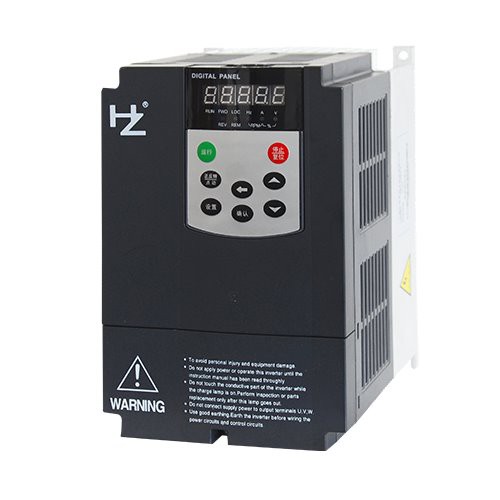

Another factor is the type of communication medium used. Different media, such as cables, wireless networks, or optical fibers, have different attenuation characteristics. For example, a signal transmitted through a long cable may experience more attenuation than a signal transmitted wirelessly over a short distance.
Environmental factors also play a significant role in signal strength. Interference from other electronic devices, electromagnetic fields, and physical obstacles can all reduce the signal strength. For instance, if a Feedback Unit is installed in an industrial environment with a lot of electrical noise, the signal may be distorted or weakened.
Measuring Signal Strength
To ensure optimal performance, it is essential to measure the signal strength of a Feedback Unit regularly. There are several methods available for measuring signal strength, depending on the type of Feedback Unit and the communication medium used.
One common method is to use a signal strength meter. This device can be connected to the output of the Feedback Unit and provides a direct measurement of the signal strength in decibels. Another method is to use a spectrum analyzer, which can display the frequency spectrum of the signal and provide information about its strength at different frequencies.
In some cases, the receiving device may also provide information about the signal strength. For example, many wireless devices display the signal strength as a percentage or in bars, indicating the relative strength of the received signal.
Optimizing Signal Strength
Once the signal strength has been measured, steps can be taken to optimize it. One of the most effective ways to improve signal strength is to reduce the distance between the Feedback Unit and the receiving device. This can be achieved by relocating the devices or using signal repeaters or amplifiers to boost the signal.
Another way to optimize signal strength is to choose the appropriate communication medium. For example, if the distance is short and the environment is relatively noise-free, a wireless connection may be sufficient. However, if the distance is long or the environment is noisy, a wired connection or optical fiber may be a better choice.
In addition, it is important to minimize interference from other electronic devices. This can be done by using shielded cables, grounding the devices properly, and keeping them away from sources of electromagnetic interference.
The Role of Signal Strength in VFD Systems
In VFD systems, the signal strength of the Feedback Unit is particularly important. A VFD is a device that controls the speed of an electric motor by varying the frequency and voltage of the electrical supply. The Feedback Unit in a VFD system provides information about the motor's speed, position, or torque, which is used to adjust the output of the VFD.
If the signal strength of the Feedback Unit is too weak, the VFD may not be able to accurately control the motor, leading to issues such as speed fluctuations, reduced efficiency, or even motor damage. On the other hand, if the signal strength is too strong, it may cause interference with other components in the VFD system, such as the LCD Panel or the Braking Resistance for VFD.
Conclusion
In conclusion, the signal strength of a Feedback Unit is a critical factor that affects the performance and reliability of various control systems. As a supplier of Feedback Units, I am committed to providing high-quality products that offer optimal signal strength and performance. By understanding the factors that affect signal strength and taking appropriate measures to optimize it, users can ensure that their control systems operate efficiently and accurately.
If you are interested in learning more about our Feedback Units or have any questions regarding signal strength or other technical aspects, please feel free to contact us for a detailed discussion. We are always ready to assist you with your procurement needs and provide expert advice to help you make the best choices for your applications.
References
- Dorf, R. C., & Bishop, R. H. (2016). Modern Control Systems. Pearson.
- Kuo, B. C. (2002). Automatic Control Systems. Wiley.
- Ogata, K. (2010). Modern Control Engineering. Prentice Hall.