

Hey there! As a supplier of LCD Panels, I often get asked whether professional - grade LCD panels are worth the investment. Well, let's dive right in and break it down.
First off, what exactly are professional - grade LCD panels? These aren't your average screens you'd find in a regular home TV or a basic computer monitor. Professional - grade LCD panels are designed with high - end features and top - notch quality for specific, demanding applications. They're built to deliver outstanding performance in areas like color accuracy, contrast ratio, and brightness.
Let's talk about color accuracy. For industries such as graphic design, photography, and video production, getting the colors just right is crucial. Professional - grade LCD panels are calibrated to provide a wide color gamut, which means they can display a much broader range of colors compared to standard panels. This is super important when you're working on projects where color fidelity is non - negotiable. For example, a photographer editing a high - end fashion shoot needs to see the true colors of the models' clothing, the background, and the lighting. A standard panel might distort the colors, leading to an inaccurate final product. With a professional - grade panel, the colors are as close to real - life as possible, ensuring that the final output meets the highest standards. You can check out more about high - quality LCD Panel options on our website.
Another key factor is contrast ratio. The contrast ratio measures the difference between the brightest whites and the darkest blacks that a panel can display. A high contrast ratio makes the image look more vivid and realistic. In a movie theater, for instance, a professional - grade LCD panel with a great contrast ratio can make the difference between a mediocre viewing experience and an immersive one. The deep blacks in a suspenseful scene and the bright highlights in an action sequence are more pronounced, pulling the viewer into the story. This is also important for data visualization in fields like finance and science. When looking at graphs and charts, a high contrast ratio makes it easier to distinguish between different data points, improving the accuracy of analysis.
Brightness is also a significant aspect. Professional - grade LCD panels often have higher brightness levels, which is essential in environments with a lot of ambient light. For example, in a retail store, a bright LCD panel can attract customers' attention from across the aisle. In a control room where operators need to monitor data constantly, a bright panel ensures that the information is visible at all times, even under harsh lighting conditions.
Now, let's talk about the investment part. Professional - grade LCD panels do come with a higher price tag compared to standard panels. But is it really worth it? Well, it depends on your needs. If you're a hobbyist who occasionally watches movies or surfs the web, a standard panel might be sufficient. However, if you're a professional in a field where image quality matters, the investment can pay off in the long run.
For businesses, using professional - grade LCD panels can enhance productivity and improve the quality of work. In a design studio, designers can work more efficiently because they don't have to second - guess the colors and details of their projects. This can lead to faster turnaround times and higher - quality deliverables, which in turn can attract more clients and increase revenue. In a medical imaging facility, accurate color representation and high - resolution images are crucial for diagnosing diseases. A professional - grade LCD panel can help doctors make more accurate diagnoses, potentially saving lives.
But it's not just about the upfront cost. Professional - grade LCD panels are also built to last. They usually have better build quality and longer lifespans compared to standard panels. This means fewer replacements and less downtime, which can save a lot of money in the long term.
On the other hand, there are some potential drawbacks. As mentioned earlier, the initial cost is higher. And if you're not using the panel for a professional application that requires high - end features, you might be overspending. Also, professional - grade panels often require more power to operate, which can lead to higher electricity bills.
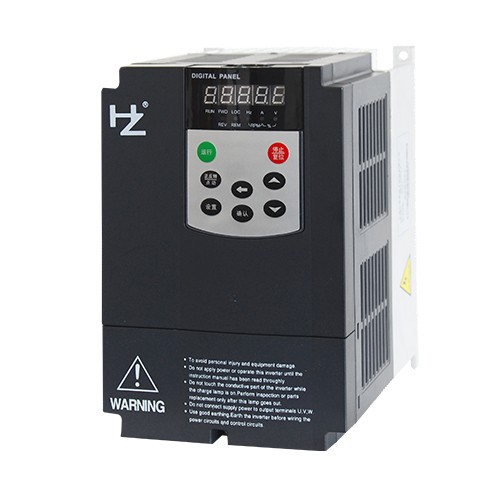
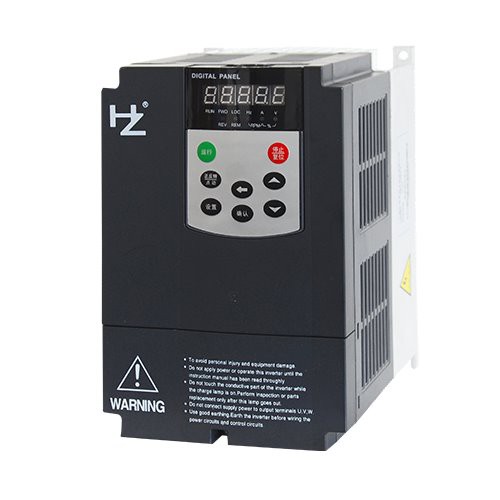
Let's also touch on some related components. When it comes to power management in systems that use LCD panels, Braking Resistance for VFD plays an important role. Variable Frequency Drives (VFDs) are used to control the speed of electric motors, and braking resistors help dissipate excess energy during the braking process. This ensures the smooth operation of the system and protects the components from damage.
Another important component is the Feedback Unit. It provides information about the position, speed, or other parameters of a motor or a system. This feedback is crucial for maintaining accurate control and ensuring that the system operates as intended.
So, are professional - grade LCD panels worth the investment? If you're a professional in a field that demands high - quality image display, then yes, they are definitely worth it. The improved color accuracy, contrast ratio, and brightness can significantly enhance your work and provide a better user experience. However, if you're just looking for a basic screen for everyday use, you might want to stick with a standard panel.
If you're interested in learning more about our professional - grade LCD panels or have any questions about whether they're the right fit for your needs, we'd love to hear from you. Feel free to reach out to us for a consultation and let's start a conversation about how we can help you with your LCD panel requirements.
References
- General knowledge about LCD panel technology and industry standards.
- Insights from professional users in various fields such as design, entertainment, and medicine.