

When it comes to utilizing a Feedback Unit, safety is a paramount concern that cannot be overlooked. As a dedicated supplier of Feedback Units, I understand the importance of ensuring that these devices are used safely and effectively. In this blog post, I will delve into the various safety considerations that users should keep in mind when working with a Feedback Unit.
Electrical Safety
One of the primary safety concerns when using a Feedback Unit is electrical safety. These units are typically connected to electrical systems, and improper handling can lead to electric shocks, short circuits, or even fires. To mitigate these risks, it is crucial to follow proper electrical installation procedures.
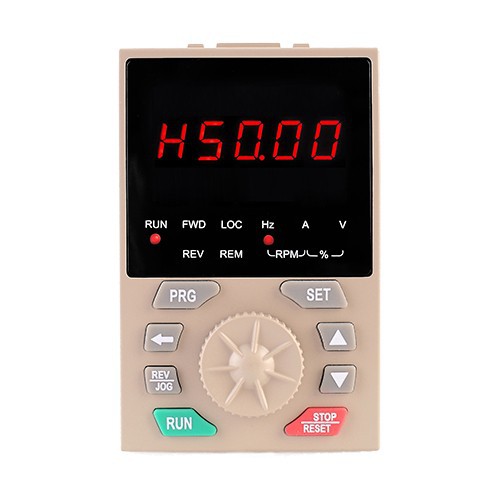
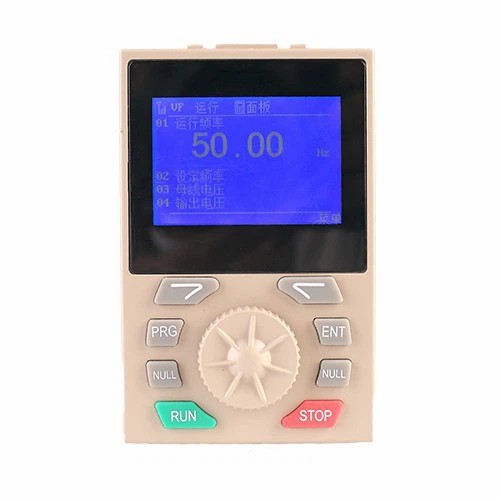
First and foremost, ensure that the Feedback Unit is installed by a qualified electrician. They have the expertise and knowledge to handle electrical connections safely and correctly. Before installation, make sure that the power supply is turned off to avoid any accidental electrical contact.
When connecting the Feedback Unit to the power source, use appropriate wiring and connectors. Ensure that the wires are properly insulated and that the connections are tight to prevent any loose connections that could lead to electrical arcing. Additionally, make sure that the power supply voltage matches the requirements of the Feedback Unit to avoid overloading or damaging the device.
It is also important to protect the Feedback Unit from electrical surges. Electrical surges can occur due to lightning strikes, power grid fluctuations, or other electrical disturbances. To safeguard the unit, consider installing a surge protector or an uninterruptible power supply (UPS). These devices can help prevent damage to the Feedback Unit by absorbing or diverting excess electrical energy.
Mechanical Safety
In addition to electrical safety, mechanical safety is another important consideration when using a Feedback Unit. These units often have moving parts, such as motors, gears, or belts, which can pose a risk of injury if not handled properly.
When installing or maintaining the Feedback Unit, make sure to follow the manufacturer's instructions carefully. This includes using the correct tools and techniques for installation and disassembly. Avoid using excessive force or applying pressure in the wrong places, as this can damage the unit or cause it to malfunction.
If the Feedback Unit has exposed moving parts, such as a motor shaft or a belt drive, make sure to install appropriate guards or covers. These guards can help prevent accidental contact with the moving parts, reducing the risk of injury. Additionally, make sure that the guards are securely fastened and in good condition to ensure their effectiveness.
When transporting the Feedback Unit, take care to handle it gently to avoid any physical damage. Use appropriate packaging materials to protect the unit during transit. If the unit is heavy or large, consider using a forklift or other lifting equipment to move it safely.
Environmental Safety
The environment in which the Feedback Unit is used can also have an impact on its safety and performance. Extreme temperatures, humidity, dust, and other environmental factors can affect the operation of the unit and potentially lead to safety hazards.
When selecting a location for the Feedback Unit, consider the environmental conditions. Avoid installing the unit in areas that are exposed to direct sunlight, extreme heat, or cold. High temperatures can cause the unit to overheat, while low temperatures can affect its performance. Additionally, make sure that the location is well-ventilated to prevent the buildup of heat and humidity.
If the Feedback Unit is used in a dusty or dirty environment, consider installing a dust filter or a protective enclosure. These devices can help prevent dust and debris from entering the unit, reducing the risk of damage and malfunction. Regularly clean the unit and the surrounding area to maintain a clean and safe working environment.
In areas with high humidity, such as near a water source or in a humid climate, take extra precautions to protect the Feedback Unit from moisture. Use a dehumidifier or a moisture-resistant enclosure to keep the unit dry. Additionally, make sure that the electrical connections are properly insulated to prevent corrosion and short circuits.
Operator Safety
Finally, operator safety is a crucial aspect of using a Feedback Unit. Operators should be properly trained on how to use the unit safely and effectively. This includes understanding the operating instructions, safety procedures, and emergency protocols.
Before operating the Feedback Unit, make sure that the operator has received adequate training. Provide training materials, such as user manuals, safety guides, or training videos, to ensure that the operator is familiar with the unit's features and functions. Additionally, conduct regular safety training sessions to reinforce the importance of safety and to keep the operator up-to-date on any changes or updates to the safety procedures.
During operation, make sure that the operator wears appropriate personal protective equipment (PPE), such as safety glasses, gloves, and earplugs. PPE can help protect the operator from potential hazards, such as flying debris, electrical shocks, or noise.
If the Feedback Unit has any safety features, such as emergency stop buttons or safety interlocks, make sure that the operator is aware of their location and how to use them. These features can help prevent accidents and injuries in case of an emergency.
Conclusion
In conclusion, there are several safety considerations that users should keep in mind when using a Feedback Unit. Electrical safety, mechanical safety, environmental safety, and operator safety are all important aspects that need to be addressed to ensure the safe and effective operation of the unit.
As a Feedback Unit supplier, I am committed to providing high-quality products that meet the highest safety standards. I encourage users to follow the safety guidelines and recommendations provided by the manufacturer to minimize the risk of accidents and injuries.
If you have any questions or concerns about the safety of using a Feedback Unit, or if you are interested in purchasing a Feedback Unit for your application, please feel free to contact us. Our team of experts is available to provide you with the information and support you need to make an informed decision.
References
- Manufacturer's user manuals and safety guides for Feedback Units.
- Electrical safety standards and regulations, such as the National Electrical Code (NEC).
- Mechanical safety standards and regulations, such as the Occupational Safety and Health Administration (OSHA) standards.
- Environmental safety guidelines and best practices for industrial equipment.