

Are VFD parts easy to install? This is a question that many customers often ask me as a VFD parts supplier. In this blog post, I will delve into this topic, exploring the installation process of various VFD parts, the factors that affect their ease of installation, and provide some practical tips to make the installation smoother.
Understanding VFD Parts
Before discussing the installation, let's first understand what VFD parts are. A Variable Frequency Drive (VFD), also known as an adjustable - speed drive, is an electronic device used to control the speed of an electric motor. VFD parts include components such as LCD Panel, LED Digital Panel, and Feedback Unit. Each part plays a crucial role in the proper functioning of the VFD.
The LCD Panel is the interface through which users can monitor and adjust the settings of the VFD. It provides clear visual information about parameters like speed, frequency, and current. The LED Digital Panel, on the other hand, offers a more basic display of essential data. It is often more durable and suitable for harsh environments. The Feedback Unit is responsible for providing information about the motor's actual speed and position, allowing the VFD to make real - time adjustments.
Factors Affecting the Ease of Installation
1. Complexity of the Part
Some VFD parts are relatively simple to install. For example, the LED Digital Panel usually has a straightforward installation process. It typically involves mounting the panel in a suitable location on the VFD enclosure and connecting a few wires for power and data transfer. The wiring is often color - coded, making it easy for even novice installers to follow.
In contrast, the Feedback Unit can be more complex. It needs to be precisely aligned with the motor shaft to ensure accurate feedback. Incorrect alignment can lead to inaccurate speed and position readings, which may cause the motor to malfunction. Additionally, the feedback unit may require calibration after installation, which involves using specialized tools and following detailed procedures.
2. Technical Knowledge Required
Installing VFD parts requires a certain level of technical knowledge. Basic electrical knowledge is essential for handling the wiring connections. For instance, installers need to understand concepts such as voltage, current, and grounding to ensure a safe and proper installation.

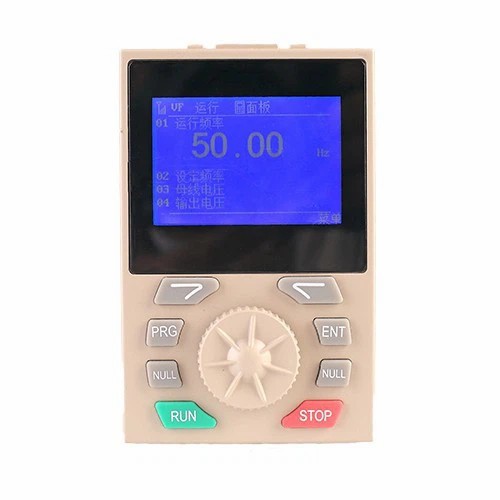
When it comes to more complex parts like the LCD Panel, additional knowledge of display technology and communication protocols may be necessary. The LCD panel may need to be configured to communicate with the VFD's control system, which involves setting up parameters such as baud rate, data format, and communication address.
3. Installation Environment
The installation environment can also have a significant impact on the ease of installation. If the installation area is cramped or has limited access, it can make it difficult to maneuver tools and parts. For example, installing a VFD part in a tight electrical cabinet may require the installer to work in awkward positions, increasing the risk of mistakes.
Harsh environmental conditions, such as high temperatures, humidity, or dust, can also pose challenges. Some parts may need to be protected from these conditions during installation. For example, the LCD Panel may need to be installed in a dust - proof and moisture - resistant enclosure to ensure its long - term reliability.
Installation Process of Common VFD Parts
1. LED Digital Panel Installation
The installation of an LED Digital Panel typically follows these steps:
- Prepare the Tools: Gather the necessary tools, such as a screwdriver, wire strippers, and a multimeter.
- Select the Mounting Location: Choose a location on the VFD enclosure where the panel can be easily viewed and accessed.
- Mount the Panel: Use the provided screws to attach the panel to the enclosure.
- Connect the Wires: Connect the power wires and the data wires according to the wiring diagram. Check the connections with a multimeter to ensure proper voltage and continuity.
2. LCD Panel Installation
Installing an LCD Panel is a bit more involved:
- Unpack and Inspect: Carefully unpack the panel and inspect it for any damage.
- Mount the Panel: Mount the panel in a suitable location, ensuring that it is securely attached.
- Connect the Cables: Connect the power cable, communication cable, and any other necessary cables. Make sure the connections are tight and free of debris.
- Configure the Panel: Use the VFD's control software or the panel's built - in menu to configure the display settings, such as language, display brightness, and parameter units.
3. Feedback Unit Installation
The installation of a Feedback Unit is the most complex:
- Prepare the Motor: Ensure the motor is powered off and locked out. Clean the motor shaft and the area where the feedback unit will be installed.
- Align the Unit: Use alignment tools to precisely align the feedback unit with the motor shaft. This step is crucial for accurate feedback.
- Mount the Unit: Securely mount the feedback unit to the motor or the VFD enclosure.
- Connect the Wires: Connect the power and signal wires. Double - check the wiring to avoid short circuits.
- Calibrate the Unit: Use the VFD's calibration function or specialized calibration tools to calibrate the feedback unit. This may involve running the motor at different speeds and adjusting the feedback settings.
Tips for a Smooth Installation
- Read the Manual: Always read the installation manual carefully before starting the installation. The manual provides detailed instructions and safety precautions specific to the part.
- Plan Ahead: Plan the installation process, including the layout of the wires and the location of the parts. This can help avoid last - minute changes and mistakes.
- Seek Professional Help: If you are unsure about any aspect of the installation, do not hesitate to seek professional help. A qualified electrician or VFD technician can ensure a safe and proper installation.
Conclusion
In conclusion, the ease of installing VFD parts varies depending on the complexity of the part, the technical knowledge required, and the installation environment. While some parts like the LED Digital Panel are relatively easy to install, others such as the Feedback Unit can be more challenging. By following the installation instructions, seeking professional help when needed, and taking the necessary precautions, the installation process can be made smoother.
If you are in the market for high - quality VFD parts and need assistance with installation or have any questions, feel free to contact us. We are here to provide you with the best products and support for your VFD needs.
References
- "Variable Frequency Drives: Principles, Operation, and Application" by Thomas H. Bishop
- Manufacturer's installation manuals for VFD parts