

Hey there! I'm a supplier of 3.7KW Variable Frequency Drives (VFDs), and today I wanna chat about how to set the torque limit of a 3.7KW VFD. It's a crucial aspect that can significantly impact the performance and safety of your motor-driven systems.
First off, let's understand why torque limit setting is so important. Torque is the rotational force that makes the motor turn. By setting the torque limit, you can prevent the motor from drawing excessive current and overheating, which could lead to damage. It also helps in controlling the speed and power of the motor, ensuring that it operates within its safe and efficient range.
So, how do we go about setting the torque limit on a 3.7KW VFD? Well, the process can vary a bit depending on the make and model of the VFD, but I'll walk you through the general steps.
Step 1: Familiarize Yourself with the VFD
Before you start setting the torque limit, it's essential to get to know your VFD inside out. Read the user manual thoroughly. It might seem like a drag, but trust me, it's worth it. The manual will give you all the specific details about the VFD's features, functions, and how to access the settings. You'll also find information about the default values and the range within which you can adjust the torque limit.
Step 2: Power On and Access the Menu
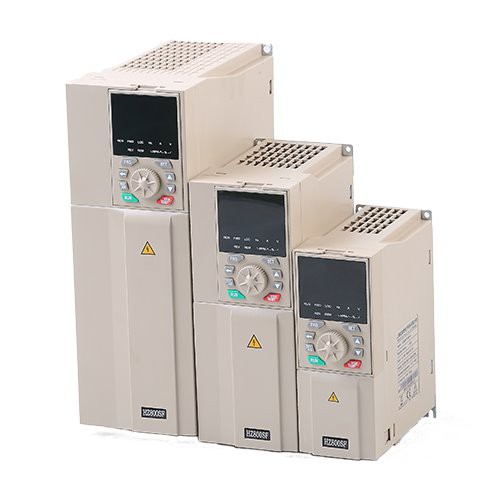
Once you're comfortable with the VFD, power it on. Wait for it to boot up. Most VFDs have a control panel with a display and some buttons. Use these buttons to navigate to the menu. Look for the section related to motor control or torque settings. This might be labeled differently on different VFDs, so keep an eye out for terms like "Torque Limit," "Motor Torque," or something similar.
Step 3: Determine the Required Torque Limit
Now, this is where things get a bit technical. You need to figure out the appropriate torque limit for your application. This depends on several factors, such as the type of load the motor is driving, the operating conditions, and the safety requirements.
For example, if you're using the VFD to drive a conveyor belt, you'll need to consider the weight of the materials on the belt, the speed at which it needs to move, and any potential resistance. If the load is light and the speed is relatively low, you can set a lower torque limit. On the other hand, if the load is heavy or there's a lot of resistance, you'll need a higher torque limit.
A good way to estimate the required torque is to use the motor's rated torque as a starting point. The rated torque is usually specified on the motor's nameplate. You can then adjust it based on your specific needs. However, be careful not to set the torque limit too high, as this can cause the motor to draw excessive current and overheat.
Step 4: Set the Torque Limit
Once you've determined the required torque limit, it's time to set it on the VFD. Use the buttons on the control panel to enter the value. Make sure you're entering the value in the correct units (usually in percentage or Newton-meters). Double-check the value to avoid any mistakes.
After setting the torque limit, some VFDs might require you to save the settings. Look for a "Save" or "Enter" button on the control panel and press it. This will ensure that the new torque limit is stored in the VFD's memory and will be applied when the motor is running.
Step 5: Test and Fine-Tune
Now that you've set the torque limit, it's time to test the system. Start the motor and observe its performance. Pay attention to how the motor responds to changes in load and speed. If the motor seems to be struggling or if it's drawing too much current, the torque limit might be set too low. On the other hand, if the motor is overheating or there's a risk of mechanical damage, the torque limit might be set too high.
Based on your observations, make small adjustments to the torque limit. Repeat the testing process until you find the optimal setting. It might take a few tries, but it's important to get it right.
Additional Tips and Considerations
- Safety First: Always follow the safety guidelines when working with VFDs. Make sure the power is off before you start making any adjustments to the settings. Use appropriate personal protective equipment (PPE) to avoid any electrical hazards.
- Monitoring: Consider using a monitoring system to keep an eye on the motor's performance. This can help you detect any issues early on and make necessary adjustments to the torque limit.
- Regular Maintenance: Keep your VFD in good condition by performing regular maintenance. Check for any signs of wear and tear, loose connections, or overheating. This will ensure that the VFD operates reliably and that the torque limit settings remain accurate.
If you're still not sure about setting the torque limit or if you run into any problems during the process, don't hesitate to reach out. As a 3.7KW VFD supplier, I've got a team of experts who can provide you with technical support and guidance.
Now, I also want to mention some of the great products we offer. If you're looking for a VFD Single Phase To 3 Phase, we've got you covered. It's a great solution for applications where you need to convert single-phase power to three-phase power. And if you're in the market for a VFD For Motors, our products are designed to provide efficient and reliable motor control. We also have Synchronous Motor Drive options for more specialized applications.
If you're interested in purchasing our 3.7KW VFDs or have any questions about torque limit settings or our other products, feel free to contact us. We're here to help you find the right solutions for your needs. Whether you're a small business or a large industrial operation, we can offer you high-quality VFDs at competitive prices.

In conclusion, setting the torque limit of a 3.7KW VFD is an important process that requires careful consideration and attention to detail. By following the steps outlined above and seeking professional help when needed, you can ensure that your motor operates safely and efficiently. So, don't hesitate to take the next step and explore our range of VFD products. We're confident that you'll find exactly what you're looking for.
References
- Various VFD user manuals
- Industry standards and guidelines for motor control