

When it comes to operating a compressor motor, one of the frequently asked questions in the industrial and commercial sectors is whether a 3.7KW VFD (Variable Frequency Drive) can be used. As a supplier of 3.7KW VFDs, I am here to provide a comprehensive analysis of this topic, taking into account various technical and practical aspects.
Understanding the Basics of VFDs and Compressor Motors
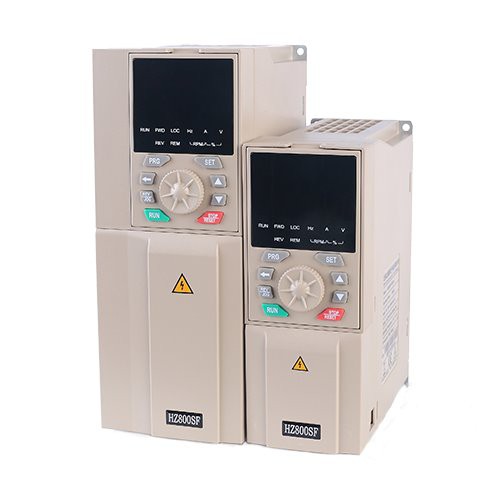
Before delving into the compatibility of a 3.7KW VFD with a compressor motor, it is essential to understand the fundamental functions of both components. A VFD is an electronic device that controls the speed and torque of an electric motor by varying the frequency and voltage supplied to the motor. This allows for precise control of the motor's operation, leading to energy savings, improved process control, and reduced mechanical stress on the motor and connected equipment.
Compressor motors, on the other hand, are designed to drive compressors, which are used to increase the pressure of a gas or air. Compressors are widely used in various industries, including manufacturing, refrigeration, and air conditioning. The performance of a compressor motor is crucial for the efficient operation of the compressor, as it directly affects the compressor's output capacity and energy consumption.
Factors to Consider When Using a 3.7KW VFD for a Compressor Motor
Power Rating
The first and most important factor to consider is the power rating of the compressor motor. A 3.7KW VFD is designed to handle a maximum power of 3.7 kilowatts. Therefore, it can only be used with a compressor motor whose power rating is equal to or less than 3.7KW. If the motor's power rating exceeds the VFD's capacity, the VFD may overheat, trip the overload protection, or even cause permanent damage to the VFD and the motor.
Motor Type
The type of compressor motor also plays a significant role in determining the compatibility with a 3.7KW VFD. Most compressor motors are three-phase induction motors, which are well-suited for use with VFDs. However, some older or specialized compressors may use single-phase motors. In such cases, a Single Phase VFD Drive may be required. It is important to ensure that the VFD is compatible with the motor's type and electrical characteristics.
Load Characteristics
Compressor motors typically have high starting torque requirements, especially in applications where the compressor needs to start against a high pressure. A VFD must be able to provide sufficient starting torque to overcome the initial resistance of the compressor. Some 3.7KW VFDs are designed with advanced control algorithms and features that can provide high starting torque, making them suitable for compressor applications. However, it is important to check the VFD's specifications and performance data to ensure that it can meet the specific load requirements of the compressor motor.

Environmental Conditions
The operating environment of the compressor and the VFD is another important consideration. Compressors are often installed in harsh industrial environments, where they may be exposed to dust, moisture, and high temperatures. The VFD must be able to withstand these environmental conditions and operate reliably. Some VFDs are designed with rugged enclosures and protection features, such as IP ratings, to ensure their durability in harsh environments.
Advantages of Using a 3.7KW VFD for a Compressor Motor
Energy Savings
One of the primary advantages of using a VFD with a compressor motor is energy savings. By adjusting the motor's speed according to the actual load requirements, a VFD can significantly reduce the energy consumption of the compressor. This is especially beneficial in applications where the compressor operates at partial load for a significant portion of the time.
Improved Process Control
A VFD allows for precise control of the compressor motor's speed and torque, which can improve the overall process control of the compressor system. This can lead to better product quality, reduced waste, and increased productivity.
Reduced Mechanical Stress
By eliminating the need for frequent starts and stops, a VFD can reduce the mechanical stress on the compressor motor and connected equipment. This can extend the lifespan of the motor and other components, reducing maintenance costs and downtime.
Limitations and Considerations
Cost
The initial cost of a VFD can be relatively high, especially when compared to a traditional motor starter. However, the long-term energy savings and other benefits of using a VFD can often offset the initial investment.
Harmonics
VFDs can generate harmonics, which are unwanted electrical frequencies that can cause interference with other electrical equipment in the system. It is important to install appropriate harmonic filters to mitigate the effects of harmonics and ensure the proper operation of the electrical system.
Case Studies and Real-World Examples
To illustrate the practical application of a 3.7KW VFD for a compressor motor, let's consider a few case studies. In a manufacturing plant, a 3.7KW compressor motor was previously operated at a fixed speed using a traditional motor starter. After installing a 3.7KW VFD, the motor's speed was adjusted according to the actual air demand, resulting in a 20% reduction in energy consumption. The improved process control also led to a more consistent air supply, which improved the quality of the manufactured products.
In another example, a small refrigeration system was equipped with a 3.7KW compressor motor. By using a VFD, the motor was able to start smoothly and operate at a variable speed, reducing the mechanical stress on the compressor and improving its reliability. The energy savings achieved through the use of the VFD also helped to reduce the operating costs of the refrigeration system.
Conclusion
In conclusion, a 3.7KW VFD can be used for a compressor motor, provided that the power rating, motor type, load characteristics, and environmental conditions are carefully considered. When properly selected and installed, a VFD can offer significant energy savings, improved process control, and reduced mechanical stress, making it a valuable investment for compressor applications.
If you are considering using a 3.7KW VFD for your compressor motor, I encourage you to contact us for more information and to discuss your specific requirements. Our team of experts can provide you with personalized advice and solutions to ensure the optimal performance and efficiency of your compressor system.
References
- "Variable Frequency Drives: Principles and Applications" by Thomas H. Kocher
- "Compressor Handbook" by Heinz P. Bloch and Geza T. Barta
- Manufacturer's technical documentation and specifications for 3.7KW VFDs and compressor motors