

Hey there, off - road enthusiasts! As a brake unit supplier, I'm super excited to take you on a journey into how a brake unit in an off - road vehicle works. Off - roading is an exhilarating activity, but it comes with its own set of challenges, and having a well - functioning brake unit is crucial for both safety and performance.
Let's start with the basics. When you're out in the wild, tackling rough terrains, steep slopes, and unpredictable obstacles, your brakes need to be up to the task. The main job of a brake unit in an off - road vehicle is to slow down or stop the vehicle when needed. It does this by converting the kinetic energy of the moving vehicle into heat energy.
The key components of a brake unit include the brake pads, brake rotors (also known as brake discs), calipers, and a hydraulic system. The brake pads are like the hands that grab onto the brake rotors to create friction. When you press the brake pedal, it sets off a chain reaction in the hydraulic system.
The hydraulic system is the heart of the braking mechanism. It consists of brake fluid, brake lines, and a master cylinder. When you push the brake pedal, it forces the master cylinder to push brake fluid through the brake lines. This pressurized brake fluid then reaches the calipers.
The calipers are like the muscle of the brake unit. They house the brake pads and use the pressure from the brake fluid to squeeze the brake pads against the brake rotors. This squeezing action creates friction, and as I mentioned earlier, this friction converts the kinetic energy of the moving vehicle into heat energy. The more pressure you apply to the brake pedal, the harder the calipers squeeze the brake pads against the rotors, and the faster the vehicle slows down.
Now, let's talk about some of the unique challenges that off - road vehicles face when it comes to braking. Unlike regular road vehicles, off - road vehicles often encounter mud, water, dust, and rocks. These elements can have a significant impact on the performance of the brake unit.
Mud and dust can get in between the brake pads and rotors, reducing the friction and making it harder to stop the vehicle. Water can also cause problems. When water gets on the brake rotors, it can create a thin layer of water that reduces the friction between the brake pads and the rotors. This is known as brake fade. To combat these issues, off - road brake units are often designed with special features.

For example, some brake pads are made from materials that are more resistant to mud, dust, and water. They are designed to maintain their friction coefficient even in harsh conditions. The brake rotors may also have special grooves or holes. These grooves and holes help to channel away water, mud, and dust, ensuring that the brake pads and rotors can maintain good contact and create the necessary friction.
Another important aspect of off - road braking is the need for a reliable emergency braking system. In off - roading, you might suddenly encounter an obstacle or a steep drop, and you need to be able to stop the vehicle quickly. That's where the emergency brake, also known as the handbrake, comes in.
The emergency brake is a mechanical system that works independently of the hydraulic brake system. It usually consists of a cable that is connected to the brake pads or calipers at the rear wheels. When you pull the handbrake lever, it tightens the cable, which in turn applies pressure to the brake pads or calipers, slowing down or stopping the rear wheels.
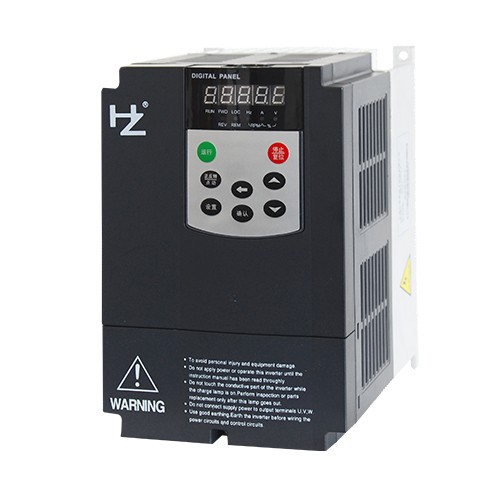
Now, let's touch on some of the advanced technologies that are being used in modern off - road brake units. One such technology is the use of LCD Panel. LCD panels can be used to display important information about the brake system, such as brake pad wear, brake fluid level, and system temperature. This allows the driver to keep an eye on the health of the brake unit and take preventive measures if necessary.
Another important component is the Braking Resistance for VFD. In some off - road vehicles, especially those with electric or hybrid powertrains, variable frequency drives (VFDs) are used. The braking resistance for VFD helps to dissipate the energy generated during braking. When the vehicle is braking, the electric motor can act as a generator, producing electricity. The braking resistance for VFD absorbs this excess energy and converts it into heat, preventing damage to the electrical components.
If you're in the market for high - quality brake units for your off - road vehicle, you've come to the right place. As a brake unit supplier, we offer a wide range of products that are designed to meet the unique needs of off - road enthusiasts. Our brake units are made from high - quality materials and are rigorously tested to ensure optimal performance in even the most challenging off - road conditions.
We also understand that every off - road vehicle is different, and that's why we offer customizable brake solutions. Whether you have a small ATV or a large 4x4 truck, we can work with you to find the perfect brake unit for your vehicle.
If you're interested in learning more about our brake units or want to discuss your specific requirements, don't hesitate to reach out. We're always happy to have a chat and help you find the best braking solution for your off - road adventures. You can check out our LCD Panel factory for more details on some of the components used in our brake units.
In conclusion, the brake unit in an off - road vehicle is a complex and crucial system. It needs to be able to handle the unique challenges of off - roading while providing reliable stopping power. With the right brake unit, you can enjoy your off - road adventures with peace of mind, knowing that you have a safe and efficient braking system.
References:
- Automotive Brake Systems Handbook
- Off - Road Vehicle Engineering Manual