

Can a 3.7KW VFD be used for a spindle motor?
As a supplier of 3.7KW Variable Frequency Drives (VFDs), I often encounter questions from customers regarding the compatibility of our products with spindle motors. This blog post aims to delve into the topic and provide a comprehensive answer to the question: Can a 3.7KW VFD be used for a spindle motor?
Understanding Spindle Motors and VFDs
Before we can determine whether a 3.7KW VFD is suitable for a spindle motor, it's essential to understand the basic functions and characteristics of both components.

A spindle motor is a type of electric motor commonly used in machine tools, such as milling machines, lathes, and drills. Its primary function is to rotate the cutting tool or workpiece at a specific speed. Spindle motors require precise speed control to ensure accurate machining and high-quality results. They often operate at high speeds and need to provide sufficient torque to handle the cutting forces.
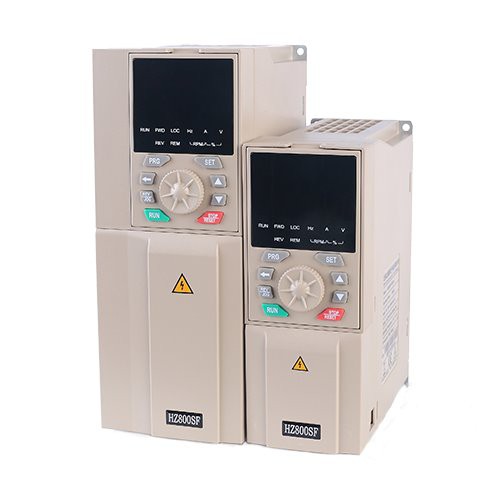
On the other hand, a Variable Frequency Drive (VFD) is an electronic device that controls the speed of an electric motor by varying the frequency and voltage of the power supplied to the motor. By adjusting the frequency, the VFD can change the motor's speed, allowing for precise control over the motor's operation. VFDs also offer other benefits, such as energy savings, soft starting, and protection against overcurrent and overvoltage.
Factors to Consider
When considering using a 3.7KW VFD for a spindle motor, several factors need to be taken into account:
- Power Rating: The power rating of the VFD must be compatible with the power requirements of the spindle motor. A 3.7KW VFD can typically handle a motor with a similar or slightly lower power rating. However, it's crucial to check the motor's full load current and ensure that the VFD can provide sufficient current to drive the motor without overheating or tripping the protection circuits.
- Torque Requirements: Spindle motors often require high torque at low speeds to perform heavy cutting operations. The VFD must be able to provide the necessary torque to meet the motor's requirements. Some VFDs offer advanced torque control features, such as vector control, which can improve the motor's performance and efficiency.
- Speed Range: The VFD should be able to provide a wide speed range to accommodate the different operating speeds of the spindle motor. This allows for greater flexibility in machining operations and ensures that the motor can operate at the optimal speed for each task.
- Control Interface: The VFD should have a user-friendly control interface that allows for easy programming and adjustment of the motor's speed, torque, and other parameters. Some VFDs offer digital displays, keypad controls, and communication interfaces, such as Modbus or Profibus, which can simplify the setup and operation of the system.
- Protection Features: The VFD should have built-in protection features to safeguard the motor and the drive from damage. These features may include overcurrent protection, overvoltage protection, undervoltage protection, overheat protection, and short-circuit protection.
Advantages of Using a 3.7KW VFD for a Spindle Motor
Using a 3.7KW VFD for a spindle motor offers several advantages:
- Precise Speed Control: A VFD allows for precise control over the motor's speed, which is essential for accurate machining. By adjusting the frequency, the VFD can change the motor's speed in small increments, ensuring that the cutting tool or workpiece rotates at the desired speed.
- Energy Savings: VFDs can help reduce energy consumption by adjusting the motor's speed to match the load requirements. When the motor is operating at a lower speed, it consumes less energy, resulting in significant cost savings over time.
- Soft Starting: A VFD provides a soft starting function, which gradually ramps up the motor's speed to its operating speed. This reduces the mechanical stress on the motor and the driven equipment, extending their lifespan and reducing maintenance costs.
- Improved Performance: VFDs can improve the performance of the spindle motor by providing better torque control and speed stability. This results in smoother operation, reduced vibration, and improved machining quality.
- Flexibility: A VFD allows for easy adjustment of the motor's speed and torque, making it suitable for a wide range of machining applications. It can also be used with different types of spindle motors, providing greater flexibility in system design.
Potential Challenges
While using a 3.7KW VFD for a spindle motor offers many benefits, there are also some potential challenges that need to be addressed:
- Harmonics: VFDs can generate harmonics, which are unwanted electrical frequencies that can cause interference with other electrical equipment. To mitigate this issue, it's important to use appropriate filters and shielding to reduce the harmonic content of the power supply.
- Electromagnetic Interference (EMI): VFDs can also generate electromagnetic interference, which can affect the performance of nearby electronic devices. To minimize EMI, it's recommended to use shielded cables and proper grounding techniques.
- Motor Compatibility: Not all spindle motors are compatible with VFDs. Some motors may require special modifications or additional components to work properly with a VFD. It's important to consult the motor manufacturer or a qualified engineer to ensure that the motor is suitable for use with a VFD.
- Heat Dissipation: VFDs generate heat during operation, which needs to be dissipated properly to prevent overheating. It's important to install the VFD in a well-ventilated area and provide adequate cooling to ensure its reliable operation.
Conclusion
In conclusion, a 3.7KW VFD can be used for a spindle motor, provided that the power rating, torque requirements, speed range, control interface, and protection features are compatible with the motor's specifications. Using a VFD offers several advantages, including precise speed control, energy savings, soft starting, improved performance, and flexibility. However, it's important to address the potential challenges, such as harmonics, EMI, motor compatibility, and heat dissipation, to ensure the reliable operation of the system.
If you're considering using a 3.7KW VFD for your spindle motor, I encourage you to contact us for more information. Our team of experts can help you select the right VFD for your application and provide you with the technical support you need to ensure a successful installation.
To learn more about our Variable Frequency Motor Controllers, Single Phase VFD Drive, and 11KW VFD, please visit our website. We look forward to discussing your requirements and helping you find the best solution for your needs.
References
- "Variable Frequency Drives: Principles, Applications, and Troubleshooting" by Mark H. Miller
- "Electric Motors and Drives: Fundamentals, Types, and Applications" by Austin Hughes and Bill Drury
- Manufacturer's specifications and documentation for 3.7KW VFDs and spindle motors