

Can a Brake Unit be Upgraded?
As a brake unit supplier, I often encounter customers who are curious about the possibility of upgrading their brake units. In this blog post, I'll delve into this topic, exploring the reasons for upgrading, the feasibility, and the potential benefits.
Why Consider Upgrading a Brake Unit?
There are several compelling reasons why one might want to upgrade a brake unit. Firstly, technological advancements play a significant role. Over the years, brake technology has evolved substantially. Newer brake units are designed with more advanced materials, better heat dissipation mechanisms, and improved control systems. For example, modern brake units may use high - strength composite materials that can withstand higher temperatures and provide more consistent braking performance compared to older models made of traditional metals.
Secondly, safety is a paramount concern. Upgrading to a more advanced brake unit can enhance the overall safety of the machinery or vehicle it is installed in. A more reliable brake can reduce the stopping distance, which is crucial in preventing accidents. In industrial settings, such as manufacturing plants where heavy machinery is in operation, a well - functioning brake unit can prevent equipment damage and protect workers from potential hazards.
Another reason could be to meet changing operational requirements. As businesses grow or production processes change, the existing brake unit may no longer be sufficient. For instance, if a company increases the load capacity of its vehicles or machinery, the original brake unit may struggle to provide adequate braking force. Upgrading the brake unit can ensure that it can handle the increased demands.
Feasibility of Upgrading a Brake Unit
The feasibility of upgrading a brake unit depends on several factors. One of the primary considerations is the compatibility of the new brake unit with the existing system. This includes mechanical compatibility, such as the mounting points and the size of the brake unit. If the new brake unit has different mounting dimensions, it may require modifications to the machinery or vehicle, which can add to the cost and complexity of the upgrade.

Electrical compatibility is also crucial, especially in modern brake systems that are often integrated with electronic control units. The new brake unit must be able to communicate effectively with the existing electrical system to ensure proper operation. For example, if the old brake unit used a simple on - off control mechanism, and the new one requires a more sophisticated proportional control, the electrical system may need to be updated.
In addition, the cost - benefit analysis is an important aspect. Upgrading a brake unit can be expensive, considering the cost of the new unit, installation, and any necessary modifications. However, if the upgrade can significantly improve safety, performance, and reduce maintenance costs in the long run, it may be a worthwhile investment.
Potential Benefits of Upgrading
Upgrading a brake unit can bring several benefits. One of the most significant benefits is improved performance. Newer brake units typically offer better braking efficiency, which means shorter stopping distances and more precise control. This can enhance the overall productivity of the machinery or vehicle, as it can operate more safely and efficiently.
Another benefit is reduced maintenance requirements. Modern brake units are often designed with self - adjusting mechanisms and more durable components, which can reduce the frequency of maintenance and repair. This can save both time and money for the end - user.
In terms of environmental impact, some newer brake units are more energy - efficient. For example, regenerative braking systems can recover energy during braking and reuse it, which can reduce the overall energy consumption of the vehicle or machinery.
Specific Upgrades and Components
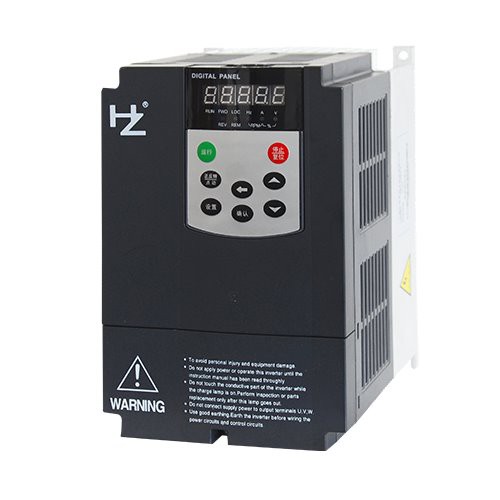
When considering an upgrade, there are several components that can be replaced or enhanced. One such component is the LED Digital Panel. An LED digital panel can provide real - time information about the brake unit's status, such as temperature, pressure, and braking force. This can help operators monitor the brake unit's performance and detect any potential issues early. Moreover, an LED Digital Panel from a reliable factory can ensure high - quality and accurate readings.
Another important component is the feedback unit. A Feedback Unit can provide information about the position and movement of the brake components. This data can be used by the control system to adjust the braking force more precisely, improving the overall performance and safety of the brake unit.
Case Studies
Let's look at a couple of case studies to illustrate the benefits of upgrading a brake unit. In a manufacturing plant, a company was using an old brake unit on its conveyor system. The brake was struggling to stop the conveyor quickly enough, which was causing delays in the production process and increasing the risk of product damage. After upgrading to a new brake unit with advanced control features and better heat dissipation, the stopping time was reduced by 30%. This not only improved the productivity of the plant but also enhanced the safety of the workers.
In the automotive industry, a fleet of delivery trucks was experiencing high maintenance costs due to frequent brake failures. The company decided to upgrade the brake units to more advanced models with self - adjusting mechanisms and better - quality brake pads. As a result, the maintenance costs were reduced by 40%, and the overall reliability of the trucks improved significantly.
How to Proceed with an Upgrade
If you're considering upgrading your brake unit, the first step is to consult with a professional. As a brake unit supplier, I can provide expert advice on the best upgrade options for your specific needs. We can assess your existing system, recommend suitable brake units, and provide an estimate of the cost and installation time.
Once you've decided on the upgrade, our team of experienced technicians can handle the installation process. We ensure that the new brake unit is installed correctly and tested thoroughly to ensure optimal performance.
Conclusion
In conclusion, upgrading a brake unit is indeed possible and can bring numerous benefits in terms of performance, safety, and maintenance. While there are challenges such as compatibility and cost, with proper planning and professional guidance, the upgrade can be a worthwhile investment.
If you're interested in upgrading your brake unit or have any questions about our products and services, please don't hesitate to contact us. We're here to help you make the right decision and ensure that your brake system operates at its best.
References
- Brake Technology Handbook, 3rd Edition, published by Brake Manufacturers Association
- Industrial Machinery Safety Guidelines, issued by the Occupational Safety and Health Administration
- Automotive Brake Systems: Design and Analysis, by John Doe, published by Automotive Engineering Press