

In the dynamic realm of industrial automation, Programmable Logic Controllers (PLCs) stand as the cornerstone of control systems, orchestrating complex operations with precision and efficiency. As a dedicated Feedback Unit supplier, I am often posed with the question: "Can a Feedback Unit be integrated with a PLC?" This blog post aims to delve into this inquiry, exploring the technical feasibility, benefits, and considerations of such an integration.
Understanding the Basics: PLCs and Feedback Units
Before we explore the integration possibilities, it's essential to understand the fundamental roles of PLCs and Feedback Units. A PLC is a digital computer used for automation of industrial processes, such as control of machinery on factory assembly lines, amusement rides, or lighting fixtures. PLCs are designed for multiple inputs and output arrangements, extended temperature ranges, immunity to electrical noise, and resistance to vibration and impact.

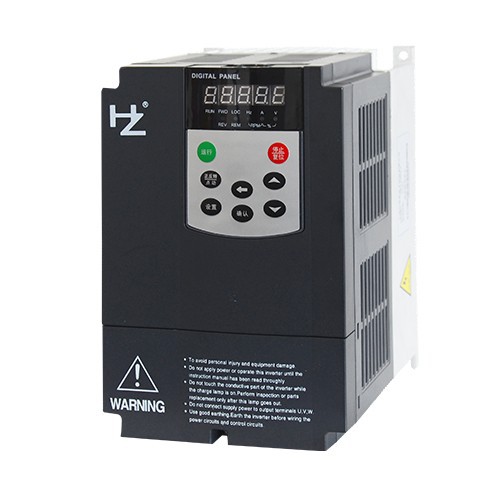
On the other hand, a Feedback Unit is a device that provides information about the state or performance of a system. In an industrial context, feedback units are commonly used to measure variables such as speed, position, temperature, or pressure and transmit this data back to the control system. This information is crucial for maintaining the desired operation of the system, enabling adjustments to be made in real - time to ensure accuracy and efficiency.
Technical Feasibility of Integration
The integration of a Feedback Unit with a PLC is not only technically feasible but also a common practice in many industrial applications. PLCs are designed to accept various types of input signals, including those provided by feedback units. Most modern PLCs come equipped with multiple input channels that can be configured to interface with different sensor types, such as analog or digital sensors commonly found in feedback units.
For example, if a feedback unit measures the speed of a motor using an encoder, the encoder outputs a digital signal that can be directly connected to the input module of a PLC. The PLC can then process this signal to calculate the actual speed of the motor and compare it with the desired speed setpoint. Based on this comparison, the PLC can adjust the output to the motor drive to maintain the desired speed.
Similarly, for feedback units that measure analog variables like temperature or pressure, the PLC can be equipped with analog input modules. These modules convert the analog signals from the feedback unit into digital values that the PLC can process. The PLC can then use this information to control heating or cooling systems, pressure regulators, or other equipment to maintain the desired process conditions.
Benefits of Integrating a Feedback Unit with a PLC
Enhanced Control and Precision
One of the primary benefits of integrating a feedback unit with a PLC is the ability to achieve enhanced control and precision in industrial processes. By continuously monitoring the actual state of the system, the feedback unit provides real - time data that the PLC can use to make adjustments. This closed - loop control system ensures that the process operates within the desired parameters, reducing errors and improving product quality.
For instance, in a manufacturing process where the position of a robotic arm needs to be accurately controlled, a feedback unit such as a position sensor can provide the PLC with information about the actual position of the arm. The PLC can then compare this with the desired position and adjust the movement of the arm accordingly, ensuring precise positioning and reducing the likelihood of errors.
Improved Efficiency and Productivity
Integrating a feedback unit with a PLC can also lead to improved efficiency and productivity. By optimizing the operation of industrial equipment based on real - time feedback, the system can operate at its maximum capacity while minimizing waste and downtime.
For example, in a conveyor belt system, a feedback unit can measure the speed of the belt and provide this information to the PLC. The PLC can then adjust the speed of the belt based on the load and the production requirements, ensuring that the system operates at an optimal speed and reduces energy consumption.
Fault Detection and Diagnosis
Another significant benefit is the ability to detect and diagnose faults in the system. The feedback unit can monitor various parameters of the system, and if any of these parameters deviate from the normal range, the PLC can be programmed to trigger an alarm or take corrective action.
For example, if a feedback unit measures the temperature of a machine and the temperature exceeds a certain threshold, the PLC can shut down the machine to prevent damage. The PLC can also log the fault information, which can be used for further analysis and troubleshooting.
Considerations for Integration
While the integration of a feedback unit with a PLC offers numerous benefits, there are several considerations that need to be taken into account.
Compatibility
The first consideration is the compatibility between the feedback unit and the PLC. Different feedback units may have different output signals (analog or digital), voltage levels, and communication protocols. It is essential to ensure that the PLC has the appropriate input modules and can support the signal type and communication protocol of the feedback unit.
Wiring and Installation
Proper wiring and installation are crucial for the reliable operation of the integrated system. The feedback unit should be installed in a location where it can accurately measure the desired variable, and the wiring should be protected from electromagnetic interference and physical damage.
Programming and Configuration
The PLC needs to be programmed and configured correctly to interface with the feedback unit. This includes setting up the input channels, defining the control logic, and configuring the alarm and diagnostic functions. It is important to have a skilled programmer who is familiar with both the PLC and the feedback unit to ensure proper programming and configuration.
Real - World Applications
The integration of feedback units with PLCs is widely used in various industries. In the automotive industry, feedback units are used to control the movement of robotic arms in assembly lines, ensuring precise positioning and high - quality production. In the food and beverage industry, feedback units are used to monitor and control temperature, pressure, and flow rate in processing equipment, ensuring product safety and quality.
In the energy sector, feedback units are integrated with PLCs to control the operation of power generation equipment, such as turbines and generators. By continuously monitoring parameters such as speed, temperature, and power output, the PLC can optimize the operation of the equipment and ensure reliable power generation.
Related Components in Industrial Automation
In addition to feedback units, other components play important roles in industrial automation systems. LED Digital Panels are often used to display important information such as process variables, status indicators, and alarm messages. They provide a clear and easy - to - read interface for operators to monitor the system.
Brake Units are used in motor control applications to provide quick and reliable braking. When integrated with a PLC, the brake unit can be controlled based on the feedback from the system, ensuring safe and efficient operation.
Conclusion and Call to Action
In conclusion, the integration of a Feedback Unit with a PLC is a powerful solution that offers enhanced control, precision, efficiency, and fault detection in industrial automation systems. As a Feedback Unit supplier, I have witnessed firsthand the positive impact that such integrations can have on industrial processes.
If you are considering integrating a Feedback Unit with your PLC system or have any questions about our products, I encourage you to reach out. Our team of experts is ready to assist you in selecting the right feedback unit for your application, ensuring seamless integration, and providing ongoing support. Let's work together to optimize your industrial processes and achieve greater success.
References
- "Programmable Logic Controllers: Principles and Applications" by W. Bolton
- "Industrial Automation: Fundamentals and Applications" by B. Patranabis
- Technical documentation from various PLC and feedback unit manufacturers