

Hey there! As a supplier of Feedback Units, I often get asked whether these nifty little devices can be used in medical equipment. Well, let's dive right into this topic and find out!
First off, what the heck is a Feedback Unit? A Feedback Unit is a component that plays a crucial role in various systems. It's like the eyes and ears of a machine, constantly monitoring and reporting back on how things are going. It takes in data about a system's performance and sends that info back to a control unit, which can then make adjustments as needed.
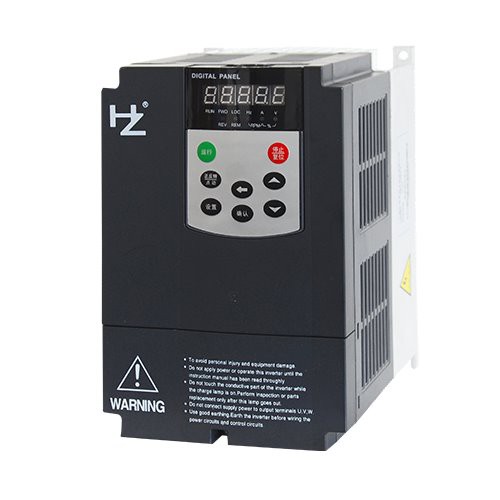

Now, when it comes to medical equipment, there are some unique requirements. Medical devices need to be extremely reliable, accurate, and safe. Lives are on the line, after all! So, can a Feedback Unit meet these high - stakes demands?
Let's start with reliability. In the medical field, you can't afford to have a device that breaks down or malfunctions. Feedback Units are designed to be pretty tough cookies. They're built with high - quality materials and undergo rigorous testing during the manufacturing process. For example, in a ventilator, a Feedback Unit can monitor the pressure and flow of air being delivered to a patient. If there's a problem, like a sudden drop in pressure, the Feedback Unit can quickly send a signal to the control system, which can then take corrective action. This kind of real - time monitoring is essential for keeping patients safe.
Accuracy is another key factor. Medical diagnoses and treatments often rely on precise measurements. A Feedback Unit can provide highly accurate data. Take an infusion pump as an example. These pumps are used to deliver medications or fluids to patients at a specific rate. A Feedback Unit can monitor the flow rate of the liquid and ensure that it stays within the prescribed limits. If the flow rate starts to deviate, the Feedback Unit can trigger an alarm or adjust the pump's operation to get things back on track.
Safety is, of course, the number one priority in medical equipment. Feedback Units can contribute to safety in several ways. They can detect abnormal conditions and shut down a device if necessary. For instance, in a dialysis machine, a Feedback Unit can monitor the temperature and chemical composition of the dialysis fluid. If the temperature gets too high or the chemical levels are off, the Feedback Unit can stop the machine to prevent harm to the patient.
But it's not all smooth sailing. There are some challenges when using Feedback Units in medical equipment. One of the main issues is compliance with strict medical regulations. Medical devices need to meet a whole bunch of standards set by regulatory bodies like the FDA in the United States. These standards cover everything from design and manufacturing to performance and safety. As a Feedback Unit supplier, we have to make sure that our products meet these requirements. This means investing in additional testing and documentation, which can be time - consuming and expensive.
Another challenge is the need for compatibility. Medical equipment is often complex and made up of many different components. The Feedback Unit needs to be able to work seamlessly with other parts of the device. For example, it has to communicate effectively with the control unit and any sensors or actuators in the system. Sometimes, this requires customizing the Feedback Unit to fit the specific needs of the medical equipment.
There are also some potential risks associated with using Feedback Units in medical equipment. One risk is electromagnetic interference (EMI). Medical facilities are full of electronic devices, and all these devices can generate electromagnetic fields. These fields can interfere with the operation of the Feedback Unit, causing it to give inaccurate readings or malfunction. To mitigate this risk, we use shielding and filtering techniques to protect the Feedback Unit from EMI.
Despite these challenges, the benefits of using Feedback Units in medical equipment far outweigh the risks. They offer a level of monitoring and control that is essential for the proper functioning of many medical devices. And as technology continues to advance, Feedback Units are becoming even more reliable, accurate, and versatile.
Let's talk a bit about some other related components that are also important in medical equipment. For example, Braking Resistance for VFD can be used in variable frequency drives (VFDs) in medical equipment. VFDs are used to control the speed of motors, and the braking resistance helps to dissipate energy when the motor needs to stop quickly. This can be useful in equipment like X - ray machines or MRI scanners, where precise control of motor speed is crucial.
Another component is the LCD Panel. LCD panels are used to display information in medical equipment. They provide a clear and easy - to - read interface for operators to monitor the status of a device. In a patient monitoring system, for example, an LCD panel can show vital signs like heart rate, blood pressure, and oxygen saturation.
So, to sum it all up, yes, a Feedback Unit can definitely be used in medical equipment. It offers many benefits in terms of reliability, accuracy, and safety. While there are some challenges and risks, these can be managed with proper design, testing, and compliance.
If you're in the medical equipment industry and are interested in using Feedback Units or any of our other related products, I'd love to have a chat with you. Whether you're looking for a standard Feedback Unit or need a customized solution, we've got the expertise and experience to meet your needs. Reach out to us to start a discussion about your specific requirements and how we can help you create safer and more reliable medical devices.
References
- General knowledge about medical equipment design and operation
- Industry standards and regulations for medical devices