

As a supplier of VF Control VFDs, I often encounter inquiries from customers about the repairability of these vital pieces of equipment. In this blog post, I'll delve into the question of whether a VF Control VFD can be repaired, exploring the factors involved, the repair process, and the benefits of choosing repair over replacement.
Understanding VF Control VFDs
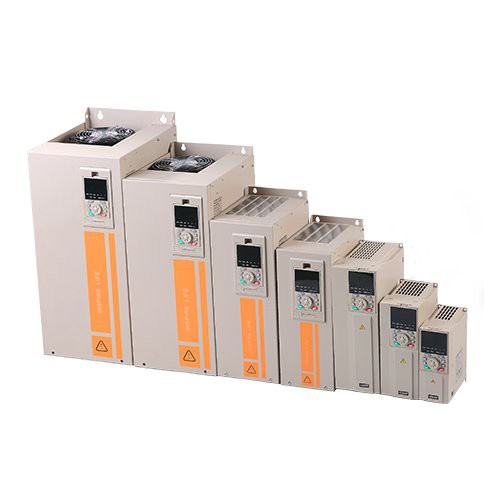
Before we discuss repair, let's briefly understand what VF Control VFDs are. A Variable Frequency Drive (VFD), also known as a Variable Speed Drive (VSD) or Adjustable Frequency Drive (AFD), is an electronic device that controls the speed and torque of an electric motor by varying the frequency and voltage of the power supplied to it. VF Control VFDs, in particular, are designed to provide precise control over motor speed, which is crucial in many industrial and commercial applications. They offer energy savings, improved process control, and reduced wear and tear on motors.
Can a VF Control VFD be Repaired?
The short answer is yes, a VF Control VFD can be repaired. However, the feasibility of repair depends on several factors, including the extent of the damage, the age of the VFD, and the availability of replacement parts.
Extent of Damage
Minor issues such as loose connections, blown fuses, or damaged capacitors can often be easily repaired. These problems can typically be diagnosed through a visual inspection and basic electrical testing. In many cases, replacing the faulty component can restore the VFD to full functionality. On the other hand, more severe damage, such as a burned-out circuit board or a failed power module, may require more extensive repairs or even replacement of the entire unit.
Age of the VFD
The age of the VFD also plays a role in determining its repairability. Older VFDs may have obsolete components that are no longer available, making repair difficult or impossible. Additionally, as VFDs age, they may be more prone to failure due to wear and tear. In some cases, it may be more cost-effective to replace an older VFD with a newer, more efficient model.
Availability of Replacement Parts
The availability of replacement parts is another important factor. If the necessary parts are readily available, repair can usually be completed quickly and at a reasonable cost. However, if the parts are rare or discontinued, it may be challenging to find a suitable replacement, which could delay the repair process and increase the overall cost.
The Repair Process
If a VF Control VFD is deemed repairable, the repair process typically involves the following steps:
Diagnosis
The first step is to diagnose the problem. This involves a thorough inspection of the VFD, including visual checks for signs of damage, electrical testing to measure voltage, current, and resistance, and software analysis to check for error codes. Once the problem has been identified, the technician can determine the best course of action.
Disassembly
If the problem requires internal access, the VFD will need to be disassembled. This should be done carefully to avoid causing further damage. The technician will remove the cover, circuit boards, and other components as needed to access the faulty part.
Repair or Replacement
Once the faulty component has been identified, it can either be repaired or replaced. In some cases, a simple repair, such as soldering a loose connection or replacing a capacitor, may be sufficient. In other cases, the component may need to be replaced with a new one.
Testing
After the repair or replacement has been completed, the VFD will need to be tested to ensure that it is functioning properly. This involves running the VFD through a series of tests to check its performance, including speed control, torque output, and energy efficiency.
Reassembly
Once the VFD has passed the testing phase, it can be reassembled and returned to service. The technician will reinstall the cover, circuit boards, and other components, and make any necessary adjustments to ensure that the VFD is operating correctly.
Benefits of Repairing a VF Control VFD
There are several benefits to repairing a VF Control VFD rather than replacing it:
Cost Savings
Repairing a VFD is often more cost-effective than replacing it, especially if the damage is minor. By replacing only the faulty component, you can avoid the high cost of purchasing a new VFD.
Reduced Downtime
Repairing a VFD can also reduce downtime, as it can often be completed more quickly than replacing the entire unit. This is especially important in industrial and commercial applications where downtime can result in lost production and revenue.
Environmental Sustainability
Repairing a VFD is also more environmentally sustainable than replacing it. By extending the lifespan of the equipment, you can reduce the amount of electronic waste that is sent to landfills.
When to Consider Replacement
While repair is often the best option, there are some situations where replacement may be more appropriate:
Severe Damage
If the VFD has suffered severe damage, such as a burned-out circuit board or a failed power module, it may be more cost-effective to replace the entire unit rather than attempting to repair it.

Obsolete Technology
If the VFD is an older model with obsolete technology, it may be more beneficial to replace it with a newer, more efficient model. Newer VFDs often offer improved performance, energy efficiency, and features that can result in long-term cost savings.
Frequent Failures
If the VFD has a history of frequent failures, it may be a sign that the unit is reaching the end of its lifespan. In this case, replacing the VFD may be the best way to avoid future problems and ensure reliable operation.
Conclusion
In conclusion, a VF Control VFD can be repaired in many cases, but the feasibility of repair depends on several factors, including the extent of the damage, the age of the VFD, and the availability of replacement parts. If a VFD is deemed repairable, the repair process typically involves diagnosis, disassembly, repair or replacement of the faulty component, testing, and reassembly. Repairing a VFD can offer several benefits, including cost savings, reduced downtime, and environmental sustainability. However, in some situations, such as severe damage, obsolete technology, or frequent failures, replacement may be more appropriate.
If you're experiencing problems with your VF Control VFD or have any questions about repair or replacement, I encourage you to [contact us for more information and to discuss your specific needs]([insert contact link]). We're here to help you make the best decision for your business. Whether you're looking for a 11KW VFD, a VF Control VFD, or a Normal Duty and Heavy Duty VFD, we have the expertise and resources to provide you with the right solution.
References
- "Variable Frequency Drives: Selection, Application, and Troubleshooting" by William J. Vande Woude
- "Industrial Electronics Handbook" edited by Timothy L. Skvarenina
- Manufacturer's documentation for VF Control VFDs