

Hey there! I'm a supplier of 7.5KW VFDs, and today I wanna chat about how a 7.5KW VFD controls the speed of a pump motor. It's a pretty cool topic, and understanding this can help you make better decisions when it comes to your pumping systems.
First off, let's get a bit of background. A VFD, or VFD Variable Frequency Drive, is a device that controls the speed of an electric motor by adjusting the frequency and voltage supplied to it. In the case of a pump motor, this control is super important because it allows you to optimize the performance of the pump according to the actual demand.
So, how does it work? Well, the basic principle behind a VFD is to convert the incoming AC power into DC power and then back into AC power with a variable frequency and voltage. This variable output can then be used to control the speed of the motor.
Let's break it down step by step. When you turn on the VFD, the first thing it does is rectify the incoming AC power. This means it converts the alternating current into direct current. It uses a set of diodes or thyristors to do this. The DC power is then stored in a capacitor bank, which acts as a buffer to smooth out any fluctuations in the power supply.
Next, the VFD takes the DC power from the capacitor bank and uses an inverter to convert it back into AC power. The inverter is made up of a series of power transistors that can switch on and off very quickly. By controlling the switching pattern of these transistors, the VFD can create an AC output with a variable frequency and voltage.
Now, here's where it gets interesting. The speed of an AC motor is directly proportional to the frequency of the power supplied to it. So, by changing the frequency of the output from the VFD, you can control the speed of the pump motor. For example, if you increase the frequency, the motor will run faster, and if you decrease the frequency, the motor will run slower.
But it's not just about changing the frequency. The VFD also needs to adjust the voltage to match the frequency. This is because the torque of an AC motor is proportional to the square of the voltage. If you increase the frequency without increasing the voltage, the motor will lose torque and may not be able to drive the pump effectively. On the other hand, if you increase the voltage too much, you could damage the motor. So, the VFD uses a control algorithm to adjust the voltage and frequency in a way that maintains the proper torque and speed of the motor.
One of the key benefits of using a 7.5KW VFD to control a pump motor is energy savings. In many pumping applications, the demand for water or other fluids varies throughout the day. For example, in a water supply system, the demand may be higher during the morning and evening when people are using more water, and lower during the night. By using a VFD to control the speed of the pump motor, you can adjust the flow rate of the pump to match the actual demand. This means you can avoid running the pump at full speed all the time, which can save a significant amount of energy.
Another benefit is improved process control. With a VFD, you can precisely control the speed of the pump motor, which allows you to maintain a constant pressure or flow rate in the system. This is particularly important in applications where precise control is required, such as in industrial processes or in HVAC systems.
Now, let's talk about some of the features and functions that you might find in a 7.5KW VFD. Most VFDs come with a built-in display that allows you to monitor and adjust the settings of the drive. You can usually set the speed, acceleration and deceleration times, and other parameters using the display. Some VFDs also come with advanced features such as PID control, which allows you to maintain a constant pressure or flow rate in the system by automatically adjusting the speed of the motor.
In addition to the basic control functions, many VFDs also come with protection features to prevent damage to the motor and the drive. For example, they may have overcurrent protection, overvoltage protection, and undervoltage protection. These features help to ensure the reliability and longevity of the system.

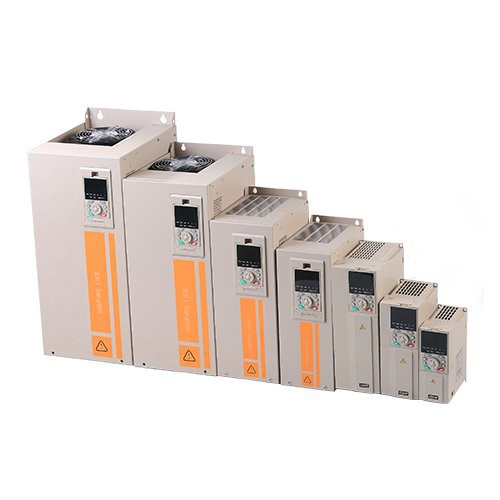
If you're thinking about using a VFD to control a pump motor, you might be wondering which size to choose. In general, you should choose a VFD that has a power rating that is equal to or slightly larger than the power rating of the motor. For a 7.5KW pump motor, a 7.5KW VFD would be a good choice. However, it's always a good idea to consult with a professional to make sure you're choosing the right size and type of VFD for your specific application.
By the way, if you're interested in other power ratings of VFDs, we also offer 3.7KW VFD. They have similar working principles and can be a great option for smaller pump motors.
If you're in the market for a 7.5KW VFD or have any questions about how VFDs work, I'd love to help. Whether you're a small business owner looking to optimize your pumping system or an engineer working on a large industrial project, I can provide you with the information and support you need. Just reach out, and we can start a conversation about your specific requirements.
In conclusion, a 7.5KW VFD is a powerful and versatile device that can provide precise control over the speed of a pump motor. By understanding how it works and the benefits it offers, you can make an informed decision about whether it's the right choice for your application. So, don't hesitate to get in touch if you have any questions or if you're ready to take the next step in upgrading your pumping system.
References
- Electric Motor Handbook, various editions
- VFD Manufacturer's Technical Manuals