

In the landscape of modern technological marvels, decentralized control systems stand out as a game - changer. These systems have revolutionized how various industries manage and optimize their operations. And right in the heart of these decentralized control systems lies the Feedback Unit, a component that I’m pretty proud to say I supply. So, how exactly does a Feedback Unit work in a decentralized control system? Let's dive in.
First off, let's understand what a decentralized control system is. In simple terms, it's a setup where control functions are distributed across multiple control units rather than being centralized in one big unit. This distribution offers a ton of benefits, like increased reliability, better fault tolerance, and enhanced scalability. Picture a large manufacturing plant. Instead of having one control room managing everything, different sections of the plant can have their own local control units that make decisions based on specific conditions.
Now, let's talk about the Feedback Unit. A Feedback Unit is like the eyes and ears of a decentralized control system. Its main job is to collect information from various sensors throughout the system and then send this data back to the control units. This feedback loop is crucial because it allows the control units to make informed decisions.
Let's break down the working of a Feedback Unit into a few key steps.
Data Collection
The first step in the Feedback Unit's operation is data collection. The system is filled with all sorts of sensors, each designed to measure different variables. For example, in an industrial motor control application, there could be sensors for measuring temperature, current, and speed. These sensors constantly monitor the system and generate data.
The Feedback Unit is connected to these sensors and starts gathering the data. It has to be able to handle data from different types of sensors, which can have varying output formats and signal strengths. So, it requires some pre - processing capabilities. For instance, if a sensor sends an analog signal, the Feedback Unit might need to convert it into a digital format that the control units can understand.
Data Transmission
Once the data is collected, the next step is to transmit it to the relevant control units. In a decentralized system, the control units can be located at different physical locations. So, the Feedback Unit needs to have a reliable communication mechanism.
There are several ways this can happen. One common method is through a wired network, like Ethernet or Profibus. These networks offer high - speed and reliable data transfer. However, in some cases, wireless communication can also be used. For example, in a mobile robotic system, a Feedback Unit might use Wi - Fi or Bluetooth to send data to the control unit on the robot.
When transmitting the data, the Feedback Unit also needs to ensure that it's sent in an organized manner. It might use a data protocol that specifies how the data is formatted, how errors are detected and corrected, and how the control units can identify which data belongs to which sensor.
Data Processing (Optional)
In some advanced Feedback Units, there's also an option for data processing at the unit itself. This can be useful if the system requires real - time decision - making. For example, instead of just sending raw temperature data to the control unit, the Feedback Unit could calculate the average temperature over a certain period or determine if the temperature is rising at an abnormal rate.
By doing some basic processing at the unit, the amount of data that needs to be transmitted is reduced, and the control unit can focus on making higher - level decisions. However, this processing capability comes at a cost, both in terms of hardware complexity and power consumption.
Response and Adaptation
Once the control units receive the data from the Feedback Unit, they analyze it and make decisions. Based on these decisions, they can send commands back to different parts of the system to adjust its behavior. For example, if the temperature sensor in a motor control system sends data indicating that the motor is overheating, the control unit can send a signal to reduce the motor's speed.
The feedback loop then continues. The Feedback Unit keeps collecting data on the new state of the system, and the control unit can further refine its decisions. This continuous cycle of feedback and adjustment is what allows the decentralized control system to operate efficiently and adapt to changing conditions.
Real - World Applications
Let's look at a few real - world applications to see how a Feedback Unit works in action.
In a Variable Frequency Drive (VFD) System
In a VFD system, the Feedback Unit plays a vital role in maintaining the desired speed and torque of the motor. Sensors measure the motor's speed, current, and voltage. The Feedback Unit collects this data and sends it to the VFD's control unit.
The control unit then compares the actual values with the set values. If there's a difference, the control unit adjusts the frequency and voltage supplied to the motor to bring it back to the desired state. Additionally, components like Braking Resistance for VFD can be controlled based on the feedback data. For example, if the motor needs to decelerate quickly, the control unit can activate the braking resistance.
In a Building Automation System
In a building automation system, the Feedback Unit helps in controlling various aspects like lighting, heating, ventilation, and air conditioning (HVAC). Sensors measure factors such as temperature, humidity, and light intensity in different areas of the building.

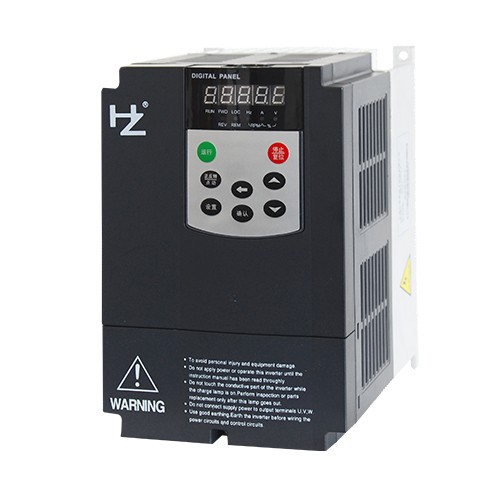
The Feedback Unit collects this data and sends it to the local control units for each system. For example, if the temperature in a room is too high, the HVAC control unit can adjust the cooling settings. The LCD Panel in the system can display the current status and settings, which are also based on the feedback data received.
Why Choose Our Feedback Units?
As a supplier of Feedback Units, I can tell you that our products are top - notch. We've designed them to be highly reliable, with a long lifespan. They're also very flexible and can be easily integrated into different types of decentralized control systems.
Our Feedback Units support a wide range of sensors and communication protocols, which means they can be used in various industries, from manufacturing to building automation. And if you need any technical support or customization, our team is always ready to help.
If you're in the market for a high - quality Feedback Unit for your decentralized control system, I encourage you to reach out. Whether you're looking to upgrade an existing system or build a new one from scratch, we can provide the right solution for you. Don't hesitate to start a conversation about your requirements and let's see how we can work together to optimize your system.
References
- Dorf, R. C., & Bishop, R. H. (2016). Modern Control Systems. Pearson.
- Franklin, G. F., Powell, J. D., & Emami - Naeini, A. (2014). Feedback Control of Dynamic Systems. Pearson.