

Hey there! I'm a supplier of Brake Units, and today I'm gonna take you on a journey to understand how an electronic brake unit works.
Let's start with the basics. An electronic brake unit is a crucial component in many industrial and automotive systems. Its main job is to control the braking process, ensuring that machinery or vehicles can stop safely and efficiently. You can check out more about Brake Unit on our website Brake Unit.
The Fundamentals of Braking
Before we dive into how the electronic brake unit specifically works, let's talk a bit about the general concept of braking. When a machine or a vehicle is in motion, it has kinetic energy. To stop it, we need to convert this kinetic energy into another form, usually heat. This is where the brake unit comes in.
In a typical system, the brake unit is connected to the motor or the moving part. When the operator decides to stop the machine or vehicle, a signal is sent to the brake unit. This signal is like a command that tells the brake unit to start its operation.
Inside the Electronic Brake Unit
So, what's actually going on inside an electronic brake unit? Well, it's a combination of several key elements working together.
Power Resistors
One of the main components is the power resistor. When the brake unit receives the signal to stop, it diverts the electrical energy generated by the motor (which is a result of the kinetic energy conversion) into the power resistor. The power resistor then dissipates this energy as heat. It's like a safety valve that prevents the excess energy from damaging other parts of the system.
Control Circuitry
The control circuitry is the brain of the electronic brake unit. It monitors the electrical signals and decides when and how much energy to divert to the power resistor. This circuitry is designed to be very precise, ensuring that the braking process is smooth and controlled. It can adjust the braking force based on factors like the speed of the machine or vehicle and the load it's carrying.
Sensors
Sensors play an important role too. They provide real - time information about the system's status, such as the speed of the motor, the temperature of the brake unit, and the amount of electrical current flowing. The control circuitry uses this information to make accurate decisions about the braking process. For example, if the temperature of the power resistor gets too high, the control circuitry can reduce the amount of energy being diverted to prevent overheating.
How It Works in Different Applications
Industrial Machinery
In industrial settings, electronic brake units are used in a wide range of machinery, from conveyor belts to large manufacturing equipment. Let's say we have a conveyor belt system. When the operator wants to stop the conveyor belt, they send a signal to the brake unit. The brake unit then starts to slow down the motor that drives the conveyor belt. The control circuitry in the brake unit carefully manages the energy dissipation, ensuring that the conveyor belt stops smoothly without causing any damage to the products on it.
Electric Vehicles
In electric vehicles, the electronic brake unit has a slightly different role. When the driver steps on the brake pedal, the brake unit not only helps to stop the vehicle but also recovers some of the energy. The electric motor in the vehicle acts as a generator during braking, converting the kinetic energy of the moving vehicle into electrical energy. The brake unit then decides how much of this energy to store in the vehicle's battery and how much to dissipate as heat through the power resistor. This energy recovery feature is one of the reasons why electric vehicles are more energy - efficient than traditional gasoline - powered vehicles.
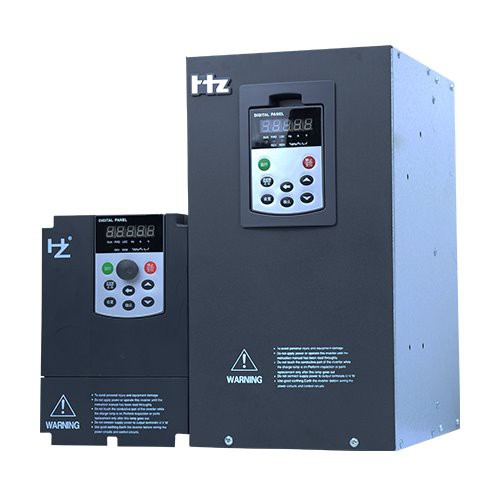
The Importance of LCD Panels in Brake Unit Systems
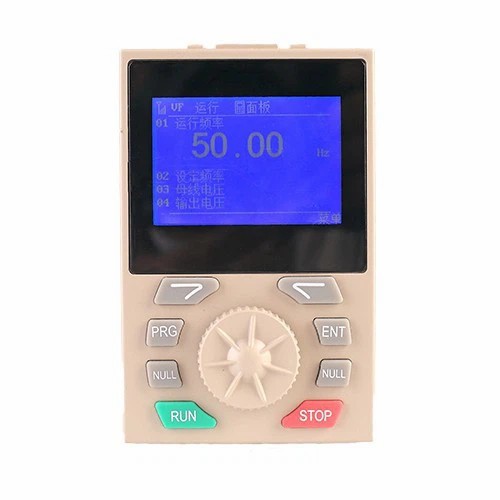
Now, let's talk about another important aspect related to brake units - LCD Panels. LCD Panels are often used in conjunction with brake units to provide operators with valuable information. You can learn more about LCD Panel and LCD Panel on our website.
The LCD panel in a brake unit system can display a variety of data, such as the current speed of the machine or vehicle, the temperature of the brake unit, and the status of the braking process. This information is crucial for operators to make informed decisions. For example, if the LCD panel shows that the temperature of the brake unit is approaching its maximum limit, the operator can take preventive measures, like reducing the load or giving the system a break to cool down.
Maintenance and Troubleshooting
Like any other piece of equipment, electronic brake units require regular maintenance to ensure their proper functioning. Here are some tips:
Regular Inspections
Periodically check the power resistors for signs of damage or overheating. Look for any cracks or discoloration on the resistors. Also, inspect the control circuitry and sensors for loose connections or signs of corrosion.
Cleaning
Keep the brake unit clean from dust and debris. Dust can accumulate on the power resistors and sensors, affecting their performance. Use a soft brush or compressed air to clean the components.
Troubleshooting
If you encounter problems with the brake unit, start by checking the LCD panel for error messages. The control circuitry in modern brake units is designed to detect and report faults. If there's an error message, refer to the user manual or contact our technical support team for assistance.
Why Choose Our Brake Units
As a supplier, we take pride in offering high - quality brake units. Our products are designed with the latest technology, ensuring reliable and efficient performance. We use top - notch materials for the power resistors and control circuitry, which means longer lifespan and less maintenance.
Our brake units are also highly customizable. We can tailor the braking force, the control algorithms, and other features to meet the specific needs of your application. Whether you're in the industrial sector or the automotive industry, we have a solution for you.
Contact Us for Purchasing
If you're interested in our Brake Units or have any questions about how they work, don't hesitate to get in touch. We're always happy to have a chat with you and help you find the best solution for your needs. Whether you're looking to replace an old brake unit or install a new one in your system, we've got you covered.
References
- "Electrical Machines and Drives: Fundamentals, Types, and Applications"
- "Automotive Electrical and Electronic Systems"
- Industry - specific technical manuals on brake units and related components.