

Hey there! As a supplier of 30KW VFDs (Variable Frequency Drives), I've gotten a ton of questions about changing the rotation direction of a motor using these drives. It's a common need in various industrial and commercial applications, so I thought I'd share some insights on how to do it.
First off, let's understand why you might want to change the rotation direction of a motor. In some setups, the motor might need to run in one direction for a particular operation and then switch to the opposite direction for another. For example, in conveyor systems, you may need the conveyor to move materials in one direction and then reverse it to clear the line or to perform a different task.
Now, let's dive into the nitty - gritty of changing the rotation direction with a 30KW VFD.
Understanding the Basics of a VFD
A VFD is essentially a device that controls the speed and torque of an electric motor by varying the frequency and voltage supplied to it. It's a pretty nifty piece of equipment that offers a lot of flexibility in motor control. When it comes to changing the rotation direction, the VFD can do this by altering the phase sequence of the voltage supplied to the motor.
How the Phase Sequence Affects Motor Rotation
In a three - phase motor, the rotation direction is determined by the phase sequence of the applied voltages. The three phases (usually labeled as A, B, and C) are 120 degrees out of phase with each other. A standard phase sequence of ABC will result in the motor rotating in one direction, while a sequence of ACB will make it rotate in the opposite direction.
Changing the Rotation Direction with a 30KW VFD
There are generally two main ways to change the rotation direction of a motor using a 30KW VFD:
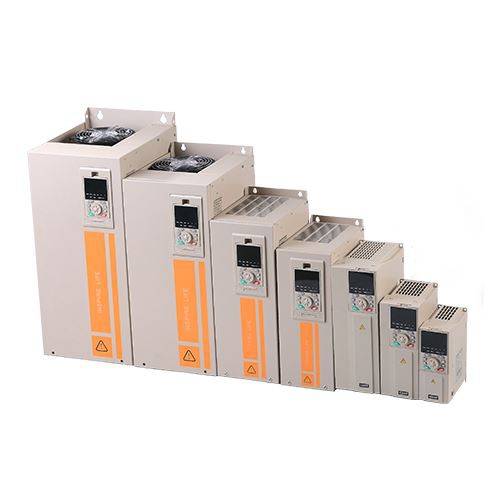

Method 1: Using the VFD's Control Panel
Most modern 30KW VFDs come with an intuitive control panel. Here's a step - by - step guide on how to change the rotation direction using the control panel:
- Power off the system: Before you start any adjustments, make sure to turn off the power to the VFD and the motor. This is a crucial safety step to prevent any electrical shocks.
- Enter the parameter settings menu: On the control panel, look for a button or a sequence of buttons that will allow you to enter the parameter settings menu. The exact method may vary depending on the make and model of your VFD.
- Find the rotation direction parameter: Once you're in the parameter settings menu, search for the parameter related to the motor's rotation direction. This parameter is often labeled something like "Rotation Direction" or "Motor Rotation".
- Change the setting: You'll usually have options like "Forward", "Reverse", or a binary setting (0 for forward and 1 for reverse). Select the desired rotation direction.
- Save the settings: After making the change, save the settings in the VFD. This is typically done by pressing a "Save" or "Enter" button on the control panel.
- Power on the system: Once you've saved the settings, power on the VFD and the motor. The motor should now rotate in the newly selected direction.
Method 2: External Control Signals
Some applications may require the ability to change the rotation direction on - the - fly. In such cases, you can use external control signals to achieve this.
The VFD can be configured to accept external control inputs, such as from a PLC (Programmable Logic Controller) or a simple switch. You'll need to connect the appropriate control wires to the VFD's input terminals. The VFD's manual will provide detailed instructions on which terminals to use and how to configure the input signals.
Once the connections are made, you can send a signal from the external device to the VFD to change the rotation direction. For example, if you're using a switch, flipping the switch can send a signal to the VFD to reverse the motor's rotation.
Important Considerations
- Safety first: When working with electrical equipment like VFDs and motors, always follow safety protocols. Wear appropriate personal protective equipment (PPE) and make sure to disconnect the power before making any adjustments.
- Motor compatibility: Not all motors are suitable for bidirectional operation. Some motors may have limitations on reversing the rotation direction due to their design or construction. Make sure to check the motor's specifications to ensure it can handle the change.
- Load requirements: Changing the rotation direction can affect the load on the motor and the system. Some loads may have different requirements for forward and reverse operation, such as different torque or speed needs. Make sure to consider these factors when changing the rotation direction.
Other VFD Options
As a 30KW VFD supplier, I also offer a range of other VFDs to meet different needs. If you're looking for an Outdoor VFD, we've got you covered. These VFDs are designed to withstand harsh outdoor conditions, making them suitable for applications like irrigation systems or outdoor conveyor belts.
We also have 7.5KW VFDs for smaller motor applications. These are great for powering smaller machinery or equipment where a lower power rating is sufficient.
And if you need to convert single - phase power to three - phase power, our Single To Three Phase VFD is the perfect solution. It allows you to use single - phase power sources to run three - phase motors, which can be very convenient in some situations.
Conclusion
Changing the rotation direction of a motor using a 30KW VFD is a relatively straightforward process, but it's important to understand the basics and follow the correct procedures. Whether you're using the control panel or external control signals, make sure to prioritize safety and consider the motor's compatibility and load requirements.
If you're in the market for a 30KW VFD or any of our other VFD products, don't hesitate to reach out. We're here to help you find the right solution for your application. Contact us to discuss your needs and get a quote. I'm confident we can provide you with high - quality VFDs that will meet your requirements and exceed your expectations.
References
- Various VFD user manuals for installation and parameter settings.
- Technical literature on three - phase motor operation and control.