

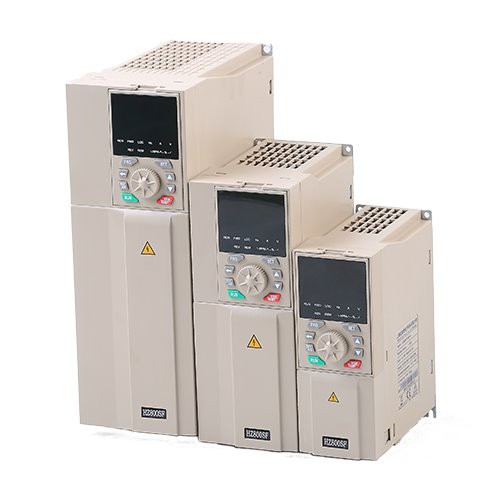
Hey there! As a Fan Pump VFD supplier, I've seen firsthand how crucial it is to pick the right Variable Frequency Drive (VFD) for your fan pump. It's not just about getting the job done; it's about efficiency, cost - savings, and long - term performance. So, let's dive into how you can choose the right Fan Pump VFD.
Power Requirements
The first thing you gotta look at is the power requirements of your fan pump. You need to know the motor's horsepower (HP) or kilowatts (kW). If you pick a VFD with too little power, it won't be able to drive the fan pump properly. On the other hand, a VFD with too much power is a waste of money and might not operate efficiently.
For example, if you have a small fan pump that needs around 15kW, then a 15KW VFD would be a great fit. It'll provide just the right amount of power to keep your fan pump running smoothly. Check the motor's nameplate for the rated power, and make sure the VFD you choose can handle that load.
Input and Output Phases
The phases of the electrical supply are also super important. In some cases, you might have a single - phase input power source, but your fan pump requires a three - phase output. That's where a Single To Three Phase VFD comes in handy.
It can convert the single - phase input into a three - phase output, allowing you to use a three - phase fan pump even when your power supply is single - phase. Make sure to know your input power phase and the required output phase of your fan pump before making a decision.
Control Method
There are different control methods for VFDs, and one of the popular ones is the VF control. A VF Control VFD offers a simple and effective way to control the speed of your fan pump.
VF control adjusts the frequency and voltage in a proportional manner to control the motor speed. It's great for applications where you don't need highly precise speed control. For example, in a ventilation system where you just need to adjust the fan speed based on the air circulation requirements, a VF control VFD can do the job well.
Environmental Conditions
The environment where the VFD will be installed matters a lot. If it's going to be in a dusty or dirty place, you need a VFD with good dust - proof features. High humidity can also cause problems, so look for a VFD that's designed to work in humid conditions.
In some industrial settings, there might be a lot of electrical noise. A VFD with good electromagnetic compatibility (EMC) features can handle this noise and prevent interference with other equipment. Consider the temperature range as well. Some VFDs are designed to work in extreme temperatures, while others are suitable for more moderate environments.
Protection Features
You want a VFD that can protect itself and your fan pump. Over - current protection is essential. If there's a sudden surge in current, the VFD should be able to shut down or limit the current to prevent damage to the motor and the drive itself.
Over - voltage and under - voltage protection are also important. Fluctuations in the electrical supply can cause problems, but a VFD with these protection features can keep things stable. Short - circuit protection is another must - have. In case of a short - circuit, the VFD should be able to quickly cut off the power to prevent any serious damage.
Cost and Efficiency
Let's talk about money. The cost of the VFD is definitely a factor, but you also need to think about long - term efficiency. A more expensive VFD might have better energy - saving features, which can save you a lot of money on your electricity bills over time.
Look at the efficiency ratings of different VFDs. A more efficient VFD will convert more of the electrical energy into mechanical energy for the fan pump, reducing waste and saving you cash. Don't just go for the cheapest option; consider the overall value and long - term savings.

Manufacturer and Support
The reputation of the manufacturer matters. You want to buy from a reliable supplier who has a good track record. A well - known manufacturer is more likely to produce high - quality VFDs that are reliable and durable.
Also, check the level of support they offer. Do they have a good customer service team that can help you with installation, troubleshooting, and maintenance? Having access to technical support can be a lifesaver, especially if you're not an expert in VFDs.
Compatibility with Existing Systems
If you already have a control system in place, make sure the VFD you choose is compatible with it. You might want to integrate the VFD into your existing automation system, so it can be controlled along with other equipment.
Some VFDs come with different communication interfaces, like Modbus, Profibus, or Ethernet. Make sure the VFD has the right interface to connect with your existing system. Compatibility can save you a lot of time and hassle during installation and operation.
Future Expansion
Think about your future needs. You might want to expand your fan pump system in the future, or you might need to change the operating requirements. Choose a VFD that can be easily upgraded or modified to meet these future changes.
Some VFDs have modular designs, which means you can add or remove features as needed. This flexibility can be very useful in the long run, as it allows you to adapt to changing circumstances without having to replace the entire VFD.
Ease of Use
Last but not least, you want a VFD that's easy to use. Complicated programming and operation can be a nightmare, especially if you're not a technical expert. Look for a VFD with a user - friendly interface.
Some VFDs come with a touch - screen display that makes it easy to set up and adjust the parameters. Others have simple buttons and a digital display. The easier it is to operate the VFD, the less time you'll spend on training and troubleshooting.
In conclusion, choosing the right Fan Pump VFD involves considering multiple factors. From power requirements and phases to environmental conditions and protection features, every aspect plays a role in making the right decision. As a Fan Pump VFD supplier, I'm here to help you find the perfect VFD for your needs. If you're interested in learning more or making a purchase, reach out to me, and we can have a detailed discussion about your specific requirements.
References
- Various industry manuals on Variable Frequency Drives
- Technical specifications from VFD manufacturers