


Zhejiang Hertz Electric Co.,Ltd., founded in 2014, is high-tech enterprise specializing in the development, manufacture, sales, and after-sales service, serving medium and high-end equipment manufacturers and industrial automation system integrators. Relying on high-quality production equipment and rigorous testing process, we will provide customers with products such as low-voltage and medium voltage inverters, soft starters and servo control systems and solutions in related industries. The company upholds to the concept of "providing users with the best products and services" to serve every costomer. At present, it is mainly used for metallurgy, chemical industry, paper making, machinery and other industries.
Why Choose Us
Professional team
Our team of experts has many years of experience in the industry, and we provide our customers with the necessary support and advice.
High-quality products
Our products are manufactured to the highest standards using only the best materials. We ensure that our products are reliable, safe and long-lasting.
24H online service
The 400 hotline is open 24 hours a day. Fax, email, QQ, and telephone are all-round and multi-channel to accept customer problems. Technical personnel are 24 hours a day to answer customer problems.
One-stop solution
Provide technical support in the whole process of inspection, installation, commissioning, acceptance, performance acceptance test, operation, maintenance and other corresponding technical guidance and technical training related to contract products in a timely manner.

Our Variable Frequency Drive (VFD), designed for precise motor control, is a versatile solution aimed at enhancing energy efficiency and operational performance.

The inverter drive enables precise control over motor speed, resulting in reduced energy consumption and lower operating costs, making it an environmentally friendly choice for businesses.

Frequency Drive For Three Phase Motor
High quality material and first-class technology. Powerful function, continuously variable transmission. Regular appearance, small and beautiful. Convenient operation and intuitive digital display.
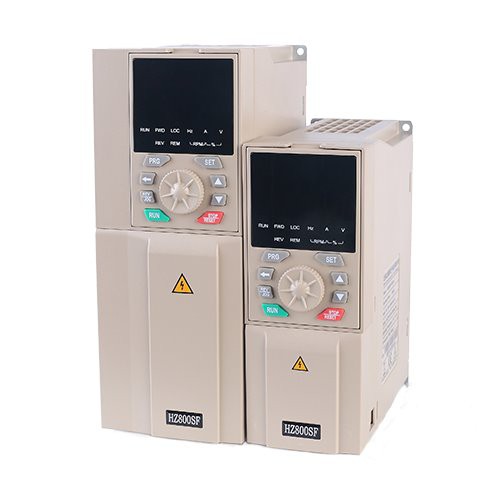
This type of VFD is often used in residential and small commercial settings, as it is suited to motors that operate on 120V power and do not require high levels of power output.

We grant each single segment 220V and three segment 220V input. When used for single phase, every other segment can be used as a spare line.
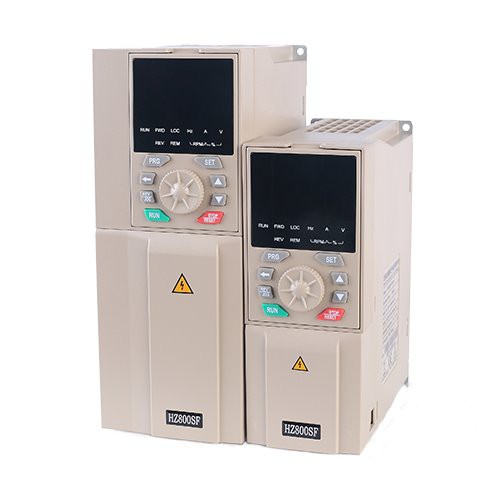
The use of frequency conversion device, drag air conditioning system of refrigeration pump, cold water pump, fan is a very good power saving technology.
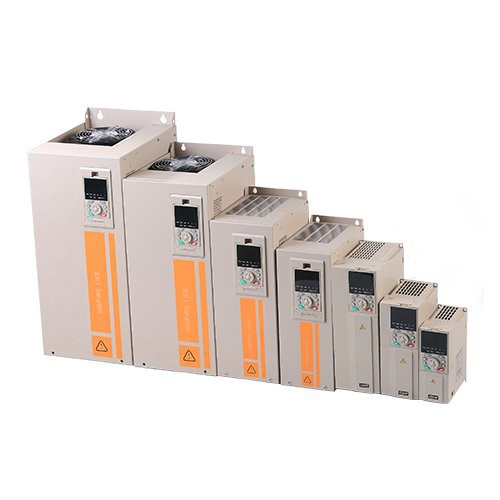
3.7KW Variable Frequency Drive. This is a 24V 150W brushless DC gear motor with a flange of 90x90mm. The built-in 10:1 keyway shaft right angle gearbox brings speed and torque to 300.

5.5KW Variable Frequency Drive. This is a 24V 150W brushless DC gear Motor with a flange of 90x90mm. The built-in 5:1 spur gearbox brings speed and torque to 600rpm and 1.95Nm(276.14.

Frequency converter is an AC strength machine that converts the electricity provide to different frequencies. In the late 1980s, China started out to use frequency converter.
What Is VF Control VFD
VF control VFD is an induction motor control method which ensures the output voltage proportional with the frequency, so it maintains a constant motor flux, preventing weak magnetic and magnetic saturation phenomenon from happening. VF control allows precise regulation of motor operation, making it highly efficient for applications requiring variable motor speeds, such as in pumps, fans, and conveyors.
Energy Efficiency
One of the primary benefits is energy efficiency. VF control VFDs adjust the motor speed to match load requirements, leading to significant energy savings. In variable load applications such as HVAC systems and pumping stations, VFDs can reduce energy consumption by 20-50%. This not only lowers electricity bills but also contributes to a reduction in greenhouse gas emissions, making the operations more sustainable.
Enhanced Control
VF control VFDs provide precise control over motor speed and torque. This precise control improves process control by allowing operations to run at optimal speeds for different tasks, reducing mechanical stress on equipment. For instance, in manufacturing processes where different stages require different speeds, VFDs can seamlessly adjust to these requirements, maintaining smooth operations and improving product quality.
Extended Motor Life
By reducing mechanical and thermal stress through controlled acceleration and deceleration, VF control VFDs help extend the operational life of motors. Smooth start and stop cycles prevent sudden jerks and excessive wear on mechanical components. This controlled operation reduces the likelihood of mechanical failures and extends the service intervals, ensuring longer motor life and reliability.
Reduced Maintenance
With smoother motor operations and less mechanical wear, maintenance requirements are significantly reduced. The reduced mechanical stress means fewer breakdowns and less frequent need for repairs. Consequently, this lowers the operational costs and increases the uptime of equipment, making the production processes more efficient and reliable.
Versatility
VF control VFDs enable motors to operate over a wide range of speeds, making them suitable for various applications. From simple fans and pumps to complex industrial machinery, VF control provide the flexibility needed to adapt to different operational demands. This versatility allows for the optimization of motor performance across diverse applications, enhancing productivity and efficiency in various industrial sectors.
V/F control VFD principle is to produce a circuit called voltage-controller oscillator with oscillator frequency. It is a voltage-dependent capacitance, when subjected to a change in voltage, its capacity will change, and then the change in capacity will cause changes in the oscillation frequency, resulting in variable frequency. This controlled frequency is used to control the frequency of the output voltage, in order to achieve speed changes of the controlled electric motors.

Comparison Between Vector Control VFD and VF Control VFD
V/f control VFD and vector control VFD may sound similar, but they work differently and offer different benefits.
First off, V/f control adjusts both voltage and frequency together to control motor speed. It's like using one knob to change both volume and brightness at the same time. On the other hand, vector control separates torque and flux control, offering more precise handling like using separate knobs for volume and brightness.
One big difference is torque consistency. With V/f control, torque decreases as speed goes up, like a car struggling uphill. But with vector control, torque stays steady across various speeds, ensuring smooth performance, like a car with consistent power on any road.
While vector control offers better efficiency and performance in demanding tasks, it's more complex and costly to set up compared to V/f control. It's like upgrading from a basic bike to a high-tech motorcycle, you get more power and control, but it comes with extra steps and expenses.
Torque control can work on VF Control VFDs, but is much more successful if we operate the drive in Vector Control. For a variable frequency drive to control Torque, it must measure the overall motor current, separate out the load current and magnetising current, and adjust the motor speed to maintain a constant load current, assuming the magnetising current stays the same.
Unlike a simple frequency controller, this is a closed loop control system; that is, we have a setpoint, or value that we want, and an actual value, in this case a torque that is calculated from the load current and magnetising current. The drive compares the two and adjusts the output frequency accordingly. So like any closed loop system, there are gain and integral factors that will be used to stabilise the control system.
Application of VF Control VFD
HVAC Systems
In large commercial buildings, VF control VFDs play a crucial role in optimizing the performance of HVAC systems. By controlling the speed of air handling units and chillers, VFDs ensure energy consumption is aligned with real-time demand, reducing wastage. The precise control over motor speeds allowed for better temperature regulation, enhancing the overall efficiency of the HVAC system and providing significant cost savings.
Water Treatment Plants
Water treatment plants benefit greatly from the integration of VF control VFDs, particularly in managing pump speeds to maintain consistent water pressure and flow. This upgrade not only improved operational efficiency but also reduced the plant's environmental impact by lowering its energy consumption. The ability to adjust pump speeds dynamically ensured that the system could respond to varying demand levels without compromising performance, leading to more reliable and efficient water treatment processes.
Manufacturing Industry
In the manufacturing sector, VF control VFDs are essential for controlling the speed of conveyor belts, mixers, and other machinery. This control enhances process flexibility and reduces downtime. The VFDs allowed for smooth acceleration and deceleration of conveyor belts, reducing mechanical wear and extending the lifespan of the equipment. This resulted in fewer breakdowns and less downtime, ultimately leading to higher productivity and cost savings.
Oil and Gas Industry
Employed in drilling rigs, pumps, and compressors. VF control VFDs offer precise control of motor speed and torque, which is crucial for maintaining the performance of equipment under varying operational conditions. They enhance the efficiency of drilling operations, fluid pumping, and gas compression while reducing wear and tear on equipment.
Automotive Industry
Used in assembly lines, robotic systems, and automated testing equipment. VF control VFDs provide accurate speed and torque control, which is essential for the precise movements required in automotive assembly and robotic operations. This results in higher production quality, improved cycle times, and better alignment of components during assembly.
Future Trends in VF Control VFD Technology
Integration with IoT and AI
The integration of Internet of Things (IoT) and Artificial Intelligence (AI) technologies is set to revolutionize VFD systems. IoT enables real-time monitoring of VFD and motor performance, allowing for predictive maintenance and early fault detection. AI can analyze this data to optimize operations, predict potential issues before they occur, and suggest improvements. This smart technology will make VFD systems more reliable and efficient, reducing downtime and maintenance costs. For instance, AI-driven algorithms can adjust motor speeds more precisely based on real-time data, enhancing energy efficiency and process control.
01
Energy Harvesting
Energy harvesting is an emerging trend aimed at improving the sustainability of VFD systems. This technology involves capturing and reusing energy that would otherwise be wasted. For example, regenerative drives can convert the kinetic energy generated during braking processes back into electrical energy, which can be fed back into the power grid or used to power other parts of the system. This not only enhances energy efficiency but also reduces the overall operational costs. As industries move towards greener practices, the development of VFDs with energy harvesting capabilities will become increasingly important.
02
Advanced Materials
The use of advanced materials such as silicon carbide (SiC) in VFD components is another promising trend. SiC-based components offer higher efficiency and better performance compared to traditional silicon-based components. They can operate at higher temperatures and voltages, making them ideal for demanding applications. These materials also reduce energy losses during the conversion process, further improving the efficiency of VFD systems. As the demand for high-performance and energy-efficient VFDs grows, the adoption of advanced materials will likely become more widespread.
03
Eco-Friendly Designs
The push for eco-friendly designs in VFD technology aims to reduce the carbon footprint of industrial operations. Manufacturers are focusing on developing VFDs that not only improve energy efficiency but also minimize environmental impact. This includes using sustainable manufacturing practices, reducing the use of hazardous materials, and designing products that are easier to recycle. As industries face increasing pressure to adhere to environmental regulations and sustainability goals, eco-friendly VFDs will become a key component in achieving these objectives.
04
When Choosing Between VF Control VFD and Vector Control VFD, Several Factors Need to be Considered?
When deciding between V/f control VFD and vector control VFD, several factors come into play. Firstly, consider the type of motor and its requirements. Some motors may benefit more from the precision offered by vector control, while others may work just fine with V/f control.
Next, think about the characteristics of the load the motor will be driving. Heavy loads or those requiring precise speed and torque control may lean towards vector control.
Performance requirements also play a crucial role. Applications needing high-speed accuracy or quick response times often favor vector control due to its superior dynamic capabilities.
Cost constraints are essential too. While vector control offers enhanced performance, it often comes with a higher initial investment compared to V/f control. It's crucial to balance performance needs with budget considerations.
Advancements in technology and industry standards also influence the decision-making process. As vector control becomes more accessible and standardized, its adoption in various sectors continues to grow, driven by the demand for better performance and efficiency.
Ultimately, the choice between V/f control and vector control depends on a careful evaluation of these factors to ensure the motor control method aligns with the specific requirements of the application.
VF control mode of VFD in fan application
It depends on the application. If it is a small fan or easy application go with V/F. As a rule V/F is going to be less accurate, lower current and less money. A V/F basically just puts out the commanded frequency and does not care about changing load or slip. If it is a centrifugal fan then it would be cube law loaded. The HP required will increase or decrease to the cube of the speed. The motor would start with no load and the load increases to 100% at 100% speed. High starting/break away torques are usually not required.
As a result the motor and variable frequency drives usually do not require an added service factor. Most of these applications do not require high accuracy speed/flow regulation so v/f is all that is needed. If the fan is in a test facility (like a wind tunnel) and it is necessary to control the flow or pressure accurately for extended periods while measurements are taken then the vector control mode may be required.
Our Factory
Zhejiang Hertz Electric Co., Ltd. based on power electronics technology, motor drive and control technology, and relying on advanced production equipment and rigorous testing process, we provide customers with low-voltage and medium-voltage frequency converters, soft starters and servo control systems and related industry solutions.


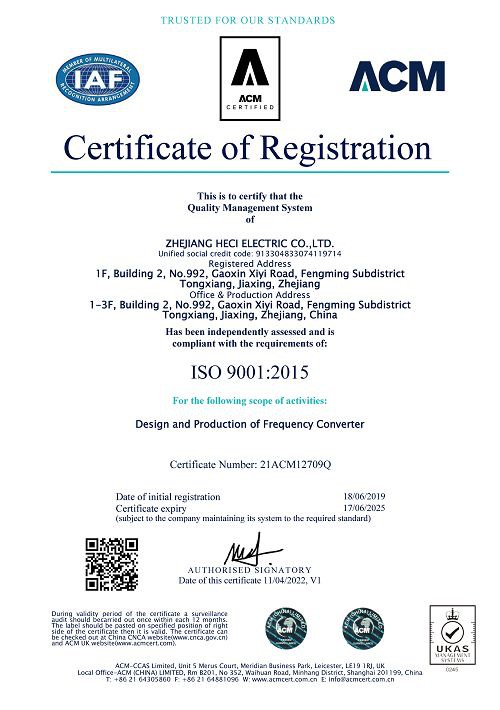
Certificate



FAQ
Hot Tags: vf control vfd, China vf control vfd manufacturers, suppliers, factory, vfd in level meters, vfd in ecg monitors, vfd in altimeters, vfd in quality control equipment, vfd in x ray machines, vfd in satellite receivers