

Hey there! As a supplier of Brake Unit, I've dealt with all sorts of issues related to anti - lock brake units over the years. In this blog, I'm gonna share some tips on how to diagnose problems with these critical components.
Let's kick things off with understanding the basics. An anti - lock brake unit is a key part of a vehicle's braking system. Its main job is to prevent the wheels from locking up during hard braking, which helps maintain steering control and reduces stopping distances.
Visual Inspection
The first step in diagnosing an anti - lock brake unit problem is a good old - fashioned visual inspection. Grab yourself a flashlight and take a look at the entire unit. Check for any obvious signs of damage, like cracks in the housing, loose wires, or leaks. Fluid leaks can be a major red flag. If you see any brake fluid around the unit, it could mean there's a seal failure or a cracked line.
Pay special attention to the connectors. Make sure they're properly plugged in and are free of corrosion. Corroded connectors can disrupt the electrical signals that the anti - lock brake unit relies on to function correctly. If you notice any corrosion, you can use some electrical contact cleaner to clean it up.
Check the Dashboard Warning Lights
Modern vehicles are equipped with a dashboard warning light system that can give you some clues about what's going on with the anti - lock brake unit. If the ABS light (that's the anti - lock braking system light) is on, it means the vehicle's on - board diagnostic system has detected a problem with the anti - lock brake unit.
But don't panic just yet. The ABS light can come on for a variety of reasons. It could be something as simple as a loose wheel speed sensor or a more serious issue with the control module. To get more specific information, you'll need an OBD - II scanner. This handy tool can read the diagnostic trouble codes (DTCs) stored in the vehicle's computer. These codes will tell you exactly what part of the anti - lock brake unit is malfunctioning.
Test the Wheel Speed Sensors
Wheel speed sensors play a crucial role in the anti - lock brake system. They monitor the speed of each wheel and send that information to the control module. If a wheel speed sensor is faulty, the anti - lock brake unit may not work properly.
To test the wheel speed sensors, you'll need a multimeter. First, locate the sensors. They're usually mounted near each wheel. Disconnect the sensor connector and use the multimeter to measure the resistance. Compare the reading to the manufacturer's specifications. If the resistance is outside the normal range, the sensor is likely bad and needs to be replaced.
Another way to test the wheel speed sensors is to use a diagnostic tool that can display live data. With the vehicle running, you can check if each sensor is sending accurate speed information. If one sensor's reading is significantly different from the others, it's a sign that there's a problem.
Inspect the Control Module
The control module is like the brain of the anti - lock brake unit. It receives data from the wheel speed sensors and other components and decides when to activate the anti - lock function. If the control module is malfunctioning, the entire anti - lock brake system may not work.
Inspect the control module for any signs of physical damage, like burn marks or water intrusion. Water can cause corrosion inside the module, which can lead to electrical failures. Also, check the wiring harness connected to the control module. Make sure there are no frayed wires or loose connections.
If you suspect the control module is faulty, it may need to be reprogrammed or replaced. This can be a more complex and expensive repair, so it's a good idea to consult a professional mechanic or technician.
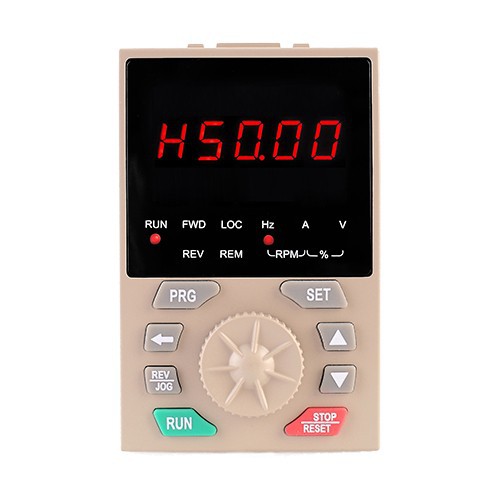
Look at the LED Digital Panel and LCD Panel (if applicable)
Some anti - lock brake units come with an LED Digital Panel or LCD Panel that can display diagnostic information. These panels can show error codes or other important data about the unit's operation.
If your anti - lock brake unit has one of these panels, check it for any error messages. The codes displayed can give you a better idea of what's wrong. Refer to the unit's manual to interpret the codes. If you can't find the manual, you may be able to find the code definitions online.
Pressure Tests
In some cases, the problem with the anti - lock brake unit may be related to the hydraulic system. Performing a pressure test can help you determine if there are any issues with the brake lines, pumps, or valves.
To do a pressure test, you'll need a pressure gauge. First, follow the proper safety procedures and make sure the vehicle's brakes are cold. Connect the pressure gauge to the hydraulic system according to the manufacturer's instructions. Then, activate the brakes and monitor the pressure readings. If the pressure is too low or too high, it could indicate a problem with the hydraulic components.
If you find that the pressure is outside the normal range, you'll need to further inspect the hydraulic system to identify the source of the problem. It could be a clogged brake line, a faulty pump, or a stuck valve.
Road Testing
After you've done all the above checks and repairs, it's time for a road test. But before you hit the road, make sure all the wheels are properly installed and the lug nuts are tightened to the correct torque.
Take the vehicle for a drive on a safe and empty road. Perform some controlled braking maneuvers at different speeds. Pay attention to how the brakes feel. If the anti - lock brake system engages correctly, you should feel a pulsation in the brake pedal. If you don't feel the pulsation or if the brakes feel spongy or unresponsive, there may still be an issue with the anti - lock brake unit.
During the road test, also monitor the dashboard warning lights. If the ABS light comes on again, it means there's still a problem that needs to be addressed.
Conclusion
Diagnosing problems with an anti - lock brake unit can be a bit of a challenge, but by following these steps, you can narrow down the issue and get it fixed. Remember, safety should always be your top priority when working on a vehicle's braking system.
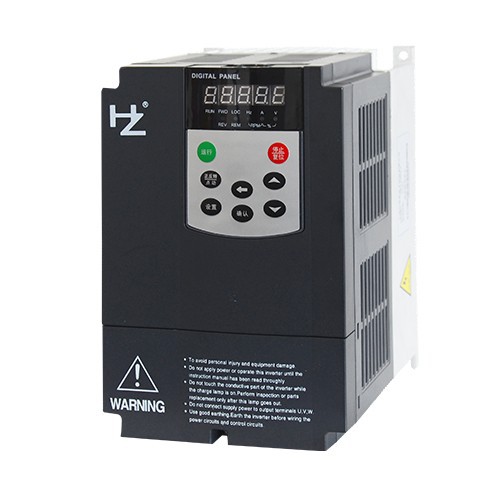
If you're in the market for a high - quality Brake Unit or need any other parts related to the anti - lock brake system, feel free to get in touch. We're here to help you with your procurement needs and ensure you get the best products for your vehicles.
References
- Brake System Service Manuals
- Automotive Technical Bulletins
- Manufacturer's Documentation for Anti - Lock Brake Units