

Hey everyone! As a supplier of 2.2KW VFDs, I often get asked about the maximum frequency these drives can output. So, I thought I'd write this blog to clear up any confusion and give you all the lowdown on this topic.
First off, let's quickly go over what a VFD is. A Variable Frequency Drive, or VFD for short, is a type of motor controller that adjusts the speed and torque of an electric motor by varying the frequency and voltage supplied to it. This technology has revolutionized the way we control motors in various industrial and commercial applications, offering energy savings, improved process control, and reduced wear and tear on equipment.
Now, back to the main question: what's the maximum frequency that a 2.2KW VFD can output? Well, the answer isn't as straightforward as you might think. It depends on several factors, including the design of the VFD, the capabilities of the motor it's driving, and the specific application requirements.
Most standard 2.2KW VFDs on the market are designed to output a maximum frequency of 60Hz to 400Hz. The 60Hz frequency is the standard power frequency in many countries, including the United States. However, in industrial applications where higher motor speeds are required, VFDs can be configured to output frequencies up to 400Hz or even higher in some cases.
Let's break down why these frequency limits exist. The design of the VFD itself plays a crucial role. The internal components, such as the power transistors and the control circuitry, are rated to handle a certain amount of electrical stress. As the output frequency increases, the switching speed of these components also increases, which can generate more heat and potentially lead to component failure if the VFD isn't designed to handle it.
The motor being driven by the VFD is another important factor. Motors are designed to operate within a specific frequency range. When you increase the frequency beyond the motor's rated frequency, you're essentially increasing the speed of the motor. This can cause several issues, such as increased mechanical stress on the motor's bearings and windings, reduced motor efficiency, and even overheating.
For example, if you have a standard induction motor rated for 60Hz operation and you try to run it at 200Hz using a VFD, the motor might not be able to handle the increased speed. The centrifugal forces acting on the motor's rotor can cause the bearings to wear out faster, and the increased electrical losses in the windings can lead to overheating.
However, there are specialized motors designed for high-frequency operation. These motors have reinforced bearings, improved winding insulation, and other design features that allow them to operate at frequencies well above the standard 60Hz. When paired with a compatible VFD, these high-frequency motors can achieve much higher speeds and performance.
In some industrial applications, such as machine tools, pumps, and fans, higher motor speeds can offer significant benefits. For instance, in a machine tool application, increasing the motor speed can reduce the machining time, improving productivity. In a pump or fan application, higher speeds can increase the flow rate or pressure, allowing for more efficient operation.
If you're considering using a 2.2KW VFD to drive a motor at a high frequency, it's essential to consult with the motor manufacturer to ensure that the motor is compatible with the intended frequency range. You may also need to make some adjustments to the VFD's settings, such as the acceleration and deceleration times, to ensure smooth operation.
Now, let's talk about some of the benefits of using a VFD with a higher maximum output frequency. One of the main advantages is energy savings. By adjusting the motor speed to match the actual load requirements, a VFD can reduce the energy consumption of the motor. For example, in a pump application, if the demand for water is low, the VFD can reduce the motor speed, which in turn reduces the power consumption.
Another benefit is improved process control. In many industrial processes, precise control of the motor speed is essential. A VFD allows you to adjust the motor speed in real-time, providing better control over the process and improving the quality of the end product.
As a supplier of 2.2KW VFDs, I've seen firsthand how these drives can transform industrial operations. We also offer 3.7KW VFDs for applications that require more power, as well as Single To Three Phase VFDs for situations where you need to convert single-phase power to three-phase power.
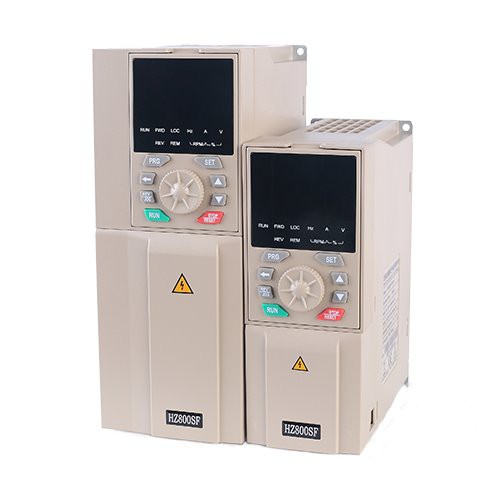
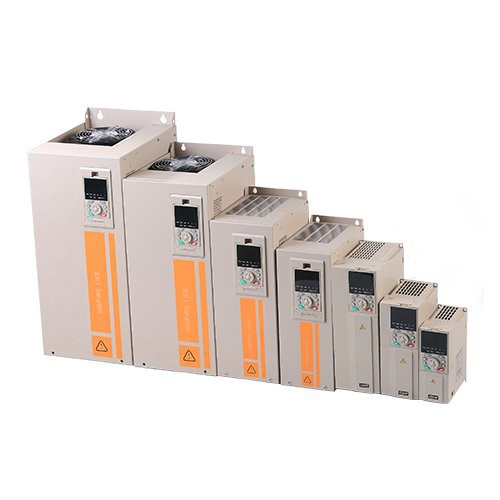
If you're in the market for a VFD and have questions about the maximum frequency output or any other aspect of VFD technology, don't hesitate to reach out. We're here to help you find the right solution for your specific application. Whether you're looking to upgrade an existing motor control system or install a new one, our team of experts can provide you with the guidance and support you need.
In conclusion, the maximum frequency that a 2.2KW VFD can output typically ranges from 60Hz to 400Hz, depending on the VFD's design and the motor's capabilities. Understanding these limitations and how they affect your application is crucial for achieving optimal performance and reliability. If you're interested in learning more about our 2.2KW VFDs or have any questions, feel free to contact us to start a discussion about your procurement needs.
References
- Electric Motor Handbook, various editions
- Variable Frequency Drive Application Guides from major manufacturers