

As a brake unit supplier, I've seen firsthand the importance of ensuring the reliability of brake units in commercial vehicles. It's not just about passing safety inspections; it's about protecting lives on the road. In this blog, I'll share some key strategies and insights on how to keep those brakes in top - notch condition.
1. High - Quality Components Matter
First off, you can't skimp on components. Using high - grade materials is the foundation of a reliable brake unit. When I'm sourcing parts for our brake units, I always look for suppliers who have a proven track record. For example, the friction materials in the brake pads play a crucial role. Low - quality friction materials can wear out quickly, reducing braking efficiency and increasing the risk of failure.
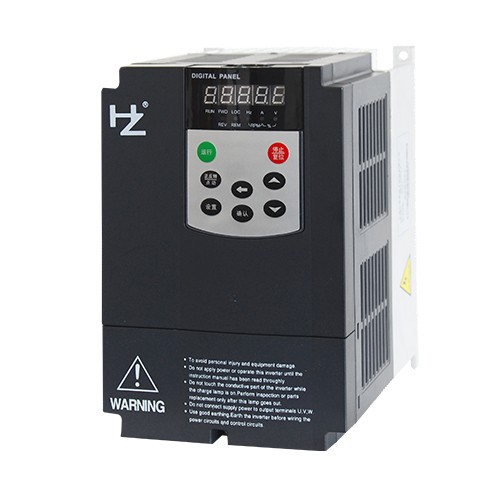
We also pay close attention to the hydraulic components. A leak in the hydraulic system can lead to a complete brake failure. That's why we use high - pressure - resistant hoses and well - machined calipers. These components need to withstand the high forces and pressures generated during braking. And don't forget about the LED Digital Panel. It can provide real - time information about the brake system, such as temperature and pressure, which is essential for monitoring the health of the brakes.

2. Rigorous Testing Processes
Testing is where the rubber meets the road, quite literally. Before we send out any brake unit, it goes through a series of tests. We start with bench tests in our lab. These tests simulate different driving conditions, from normal city driving to high - speed highway braking. We measure things like braking force, response time, and wear rate.
After the bench tests, we move on to field tests. We install the brake units in commercial vehicles and let professional drivers put them through their paces. This real - world testing allows us to identify any issues that might not show up in the lab. For instance, vibrations or strange noises during braking can be detected and addressed. The Braking Resistance for VFD also needs to be tested to ensure it can handle the electrical loads during braking.
3. Regular Maintenance and Inspection
Even the best brake units need regular maintenance. Commercial vehicle operators should have a strict maintenance schedule. This includes checking the brake fluid level regularly. Low brake fluid can indicate a leak or excessive wear of the brake pads.
Inspecting the brake pads for wear is also crucial. Most modern brake pads have wear indicators that will make a squealing noise when they're getting too thin. But it's still a good idea to visually inspect them periodically. The brake rotors should also be checked for signs of warping or excessive wear. If the rotors are damaged, they need to be resurfaced or replaced. And the LED Digital Panel can help drivers and maintenance crews keep an eye on the overall condition of the brake system.
4. Training for Drivers and Maintenance Crews
Drivers play a big role in the reliability of the brake units. They need to be trained on proper braking techniques. For example, sudden and hard braking can put a lot of stress on the brake system and cause premature wear. Instead, drivers should use a more gradual braking approach.
Maintenance crews also need to be well - trained. They should know how to properly service the brake units, from bleeding the brake lines to replacing the brake pads. Regular training sessions can keep their skills up - to - date and ensure that they're following the best practices.
5. Continuous Improvement
The automotive industry is constantly evolving, and so are brake technologies. As a supplier, we're always looking for ways to improve our brake units. We invest in research and development to come up with new materials and designs that can enhance reliability.
For example, we're exploring the use of advanced sensors that can provide even more detailed information about the brake system. These sensors can detect potential problems before they become serious, allowing for proactive maintenance. We also keep an eye on industry trends and regulations to make sure our products meet the highest standards.
6. Quality Control in Production
During the production process, quality control is non - negotiable. We have a team of quality control experts who monitor every step of the manufacturing process. From the raw material inspection to the final assembly, they make sure that everything meets our strict quality standards.
We use statistical process control techniques to track and analyze production data. This helps us identify any trends or patterns that could indicate a potential quality issue. For example, if we notice a slight increase in the number of defective brake pads, we can quickly investigate and take corrective action.
7. Supply Chain Management
A reliable supply chain is essential for ensuring the reliability of our brake units. We work closely with our suppliers to make sure that we have a steady supply of high - quality components. We also have backup suppliers in case of any disruptions.
Communication is key in the supply chain. We keep in touch with our suppliers regularly to get updates on production schedules and quality control measures. This allows us to plan ahead and avoid any shortages that could affect the production of our brake units.
Conclusion
Ensuring the reliability of a brake unit in a commercial vehicle is a multi - faceted process. It involves using high - quality components, rigorous testing, regular maintenance, proper training, continuous improvement, strict quality control, and efficient supply chain management.
If you're in the market for reliable brake units, I encourage you to get in touch with us. We're committed to providing the best products and services to meet your needs. Whether you're a fleet operator or a vehicle manufacturer, we can work together to ensure the safety and reliability of your vehicles.
References
- "Automotive Brake Systems: Design, Analysis, and Optimization" by X. Zhang and Y. Wang
- "Commercial Vehicle Maintenance Handbook" by J. Smith
- Industry reports from leading automotive research firms