

As a supplier of 37KW VFDs (Variable Frequency Drives), I understand the significance of speed accuracy in industrial applications. A 37KW VFD is a critical component in many systems, controlling the speed of electric motors and ensuring efficient operation. In this blog, I will share some practical ways to improve the speed accuracy of a 37KW VFD, which can help enhance the performance and productivity of your equipment.
Understanding the Basics of a 37KW VFD
Before delving into the methods of improving speed accuracy, it's essential to understand how a 37KW VFD works. A VFD is an electronic device that controls the speed of an AC motor by varying the frequency and voltage supplied to the motor. By adjusting these parameters, the VFD can precisely control the motor's speed, torque, and acceleration.
The speed accuracy of a VFD is determined by several factors, including the quality of the internal control algorithms, the feedback mechanism, and the stability of the power supply. Any fluctuations in these factors can lead to variations in the motor's speed, affecting the overall performance of the system.
Selecting the Right VFD for Your Application
The first step in improving speed accuracy is to select the right 37KW VFD for your specific application. Different VFDs are designed for different types of motors and operating conditions. When choosing a VFD, consider the following factors:
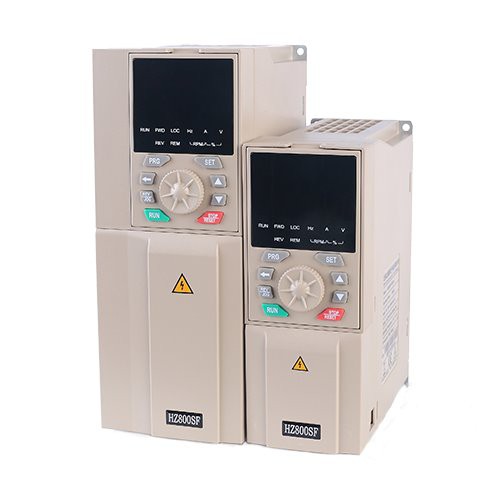
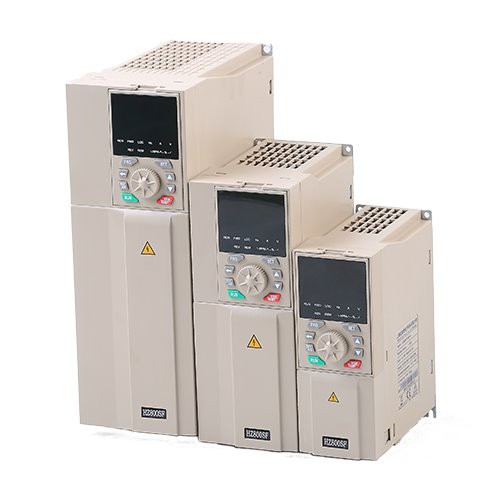
- Motor Compatibility: Ensure that the VFD is compatible with the type and specifications of your motor. This includes the motor's power rating, voltage, and current requirements.
- Control Mode: VFDs offer different control modes, such as V/F control, vector control, and sensorless vector control. Vector control provides higher speed accuracy compared to V/F control, especially in applications that require precise speed regulation.
- Feedback Device: Some VFDs can be used with feedback devices, such as encoders or resolvers, to improve speed accuracy. These devices provide real-time information about the motor's speed and position, allowing the VFD to make adjustments accordingly.
Optimizing the VFD Parameters
Once you have selected the right VFD, the next step is to optimize its parameters. The VFD's parameters determine how it operates and controls the motor. By adjusting these parameters correctly, you can improve the speed accuracy and performance of the system.
- Speed Reference: Set the speed reference accurately to match the desired operating speed of the motor. This can be done using a potentiometer, a digital input, or a communication interface.
- Acceleration and Deceleration Time: Adjust the acceleration and deceleration time to ensure smooth and controlled speed changes. Too short of an acceleration or deceleration time can cause the motor to overshoot or undershoot the desired speed, while too long of a time can result in slow response and reduced productivity.
- PID Tuning: If the VFD supports PID (Proportional-Integral-Derivative) control, tune the PID parameters to optimize the speed control performance. PID control can help reduce speed errors and improve the stability of the system.
Using a Feedback Device
As mentioned earlier, using a feedback device can significantly improve the speed accuracy of a 37KW VFD. A feedback device provides real-time information about the motor's speed and position, allowing the VFD to make adjustments to maintain the desired speed.
- Encoder: An encoder is a commonly used feedback device that measures the motor's rotational speed and position. It provides a digital signal that can be used by the VFD to adjust the output frequency and voltage.
- Resolver: A resolver is another type of feedback device that provides analog signals representing the motor's position and speed. Resolvers are more rugged and reliable than encoders, making them suitable for harsh operating environments.
Ensuring a Stable Power Supply
A stable power supply is crucial for maintaining the speed accuracy of a 37KW VFD. Fluctuations in the power supply voltage or frequency can cause the VFD to malfunction or produce inaccurate speed control.
- Voltage Regulation: Use a voltage regulator or a UPS (Uninterruptible Power Supply) to ensure a stable power supply voltage. This can help prevent voltage sags, surges, and other power quality issues that can affect the VFD's performance.
- Frequency Stability: Ensure that the power supply frequency is stable and within the acceptable range of the VFD. Frequency variations can cause the motor to run at incorrect speeds, leading to reduced speed accuracy.
Regular Maintenance and Calibration
Regular maintenance and calibration are essential for ensuring the long-term performance and speed accuracy of a 37KW VFD. Over time, the VFD's components may wear out or become misaligned, affecting its performance.
- Inspection and Cleaning: Regularly inspect the VFD for any signs of damage or wear, such as loose connections, overheating, or dust accumulation. Clean the VFD's components to prevent dirt and debris from affecting its operation.
- Calibration: Periodically calibrate the VFD to ensure that its output frequency and voltage are accurate. This can be done using a frequency meter or a power analyzer.
Conclusion
Improving the speed accuracy of a 37KW VFD is essential for ensuring the efficient and reliable operation of industrial equipment. By selecting the right VFD, optimizing its parameters, using a feedback device, ensuring a stable power supply, and performing regular maintenance and calibration, you can significantly improve the speed accuracy and performance of your system.
If you are looking for a high-quality 37KW VFD or need more information about improving speed accuracy, please feel free to contact us for procurement and negotiation. We are committed to providing you with the best solutions and support for your industrial applications.
References
- "Variable Frequency Drives: Principles, Operation, and Troubleshooting" by Mark D. Hoft
- "Electric Motor Drives: Modeling, Analysis, and Control" by Bin Wu, Yongheng Yang, and Frede Blaabjerg
In addition, if you are interested in other types of VFDs, you can visit the following links: