

Installing a Feedback Unit in a confined space can be a challenging yet crucial task, especially when precision and efficiency are paramount. As a trusted Feedback Unit supplier, we understand the intricacies involved in such installations and are here to guide you through the process. In this blog, we'll explore the steps, considerations, and best practices for successfully installing a Feedback Unit in a limited space.
Understanding the Feedback Unit
Before delving into the installation process, it's essential to have a clear understanding of what a Feedback Unit is and its role in various systems. A Feedback Unit is a device that provides information about the status or performance of a particular component or system. It plays a vital role in ensuring accurate control and operation, especially in industrial applications. Our Feedback Unit is designed to offer high precision and reliability, making it an ideal choice for a wide range of industries.
Pre-Installation Preparations
Assessing the Space
The first step in installing a Feedback Unit in a confined space is to thoroughly assess the area where the unit will be installed. Measure the dimensions of the space carefully, taking into account any obstructions, such as pipes, cables, or other equipment. Consider the accessibility of the area, as you'll need to have enough room to maneuver tools and perform the installation safely.
Gathering Tools and Materials
Once you have a clear understanding of the space, gather all the necessary tools and materials for the installation. This may include screwdrivers, wrenches, drill bits, mounting brackets, and any other components specific to your Feedback Unit. Ensure that all tools are in good working condition and that you have the correct sizes and types for the job.
Reviewing the Installation Manual
Before starting the installation, carefully review the installation manual provided with your Feedback Unit. The manual will contain detailed instructions, diagrams, and safety precautions specific to your unit. Familiarize yourself with the steps involved and make note of any special requirements or considerations.
Installation Steps
Mounting the Feedback Unit
The first step in the installation process is to mount the Feedback Unit in the designated location. Depending on the type of unit and the available space, you may need to use mounting brackets or other hardware to secure the unit in place. Ensure that the mounting surface is flat, stable, and capable of supporting the weight of the unit.
Connecting the Cables
Once the Feedback Unit is mounted, it's time to connect the cables. This may include power cables, signal cables, and any other connections required for the unit to function properly. Follow the wiring diagram provided in the installation manual carefully, ensuring that all connections are secure and properly insulated.
Calibrating the Feedback Unit
After the cables are connected, it's important to calibrate the Feedback Unit to ensure accurate operation. This may involve adjusting settings, such as sensitivity, gain, or offset, to match the specific requirements of your system. Refer to the installation manual for detailed instructions on how to calibrate your unit.
Testing the Installation
Once the Feedback Unit is installed and calibrated, it's time to test the installation to ensure that it's working properly. Power on the system and check for any error messages or abnormal readings. Use a test device or other means to verify that the Feedback Unit is providing accurate and reliable information.
Considerations for Confined Spaces
Ventilation
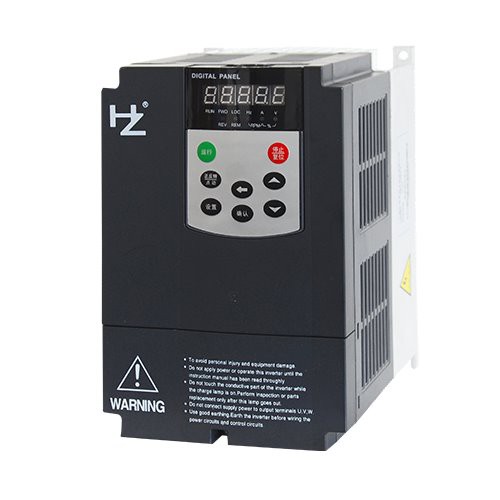
In a confined space, proper ventilation is crucial to prevent overheating and ensure the longevity of the Feedback Unit. Make sure that there is adequate airflow around the unit and that any ventilation openings are not blocked. Consider using fans or other ventilation devices if necessary.

Accessibility
When installing a Feedback Unit in a confined space, it's important to consider accessibility for future maintenance and repairs. Ensure that there is enough room to access the unit and that any covers or panels can be easily removed. Consider using removable mounting brackets or other hardware to make it easier to access the unit if needed.
Safety
Working in a confined space can be dangerous, so it's important to take all necessary safety precautions. This may include wearing appropriate personal protective equipment (PPE), such as gloves, safety glasses, and a hard hat. Ensure that the area is well-lit and that there are no tripping hazards or other safety concerns.
Troubleshooting
Common Issues
Even with careful planning and installation, issues may arise with your Feedback Unit. Some common issues include incorrect readings, intermittent signals, or power problems. If you encounter any issues, refer to the troubleshooting section of the installation manual for guidance.
Seeking Assistance
If you're unable to resolve the issue on your own, don't hesitate to seek assistance from our technical support team. We have a team of experienced professionals who are available to help you troubleshoot and resolve any issues you may encounter.
Conclusion
Installing a Feedback Unit in a confined space requires careful planning, preparation, and execution. By following the steps outlined in this blog and considering the specific requirements of your space, you can ensure a successful installation and reliable operation of your Feedback Unit. If you have any questions or need further assistance, please don't hesitate to contact us. We're here to help you find the right Feedback Unit for your needs and provide you with the support you need to install and maintain it properly.
References
- Manufacturer's Installation Manual for Feedback Unit
- Industry Standards and Best Practices for Feedback Unit Installation
- Technical Documentation for LED Digital Panel and LCD Panel