

When it comes to industrial applications, selecting the right Variable Frequency Drive (VFD) based on motor horsepower is crucial for ensuring optimal performance, energy efficiency, and longevity of the motor system. As a VFD supplier, I've encountered numerous customers facing challenges in making the right VFD selection. In this blog post, I'll share some insights and guidelines on how to select a VFD based on motor horsepower.
Understanding Motor Horsepower and Its Significance
Motor horsepower is a unit of power that measures the rate at which work is done. In the context of electric motors, it indicates the motor's ability to perform mechanical work. The horsepower rating of a motor is a key factor in determining the appropriate size and capacity of a VFD. A VFD that is too small for the motor may not be able to provide sufficient power, leading to overheating, reduced efficiency, and potential damage to the motor. On the other hand, a VFD that is too large for the motor can be costly and may not operate at its optimal efficiency.
Factors to Consider When Selecting a VFD Based on Motor Horsepower
1. Motor Nameplate Information
The first step in selecting a VFD is to gather information from the motor's nameplate. The nameplate typically includes details such as the motor's horsepower rating, voltage, current, frequency, and speed. This information provides a starting point for determining the appropriate VFD specifications. It's important to note that the motor's actual operating conditions may differ from the nameplate ratings, so additional considerations may be necessary.
2. Load Type
The type of load the motor drives also plays a significant role in VFD selection. Different load types have different torque and power requirements, which can affect the VFD's performance. Common load types include constant torque loads, variable torque loads, and constant power loads.

- Constant Torque Loads: These loads require a constant amount of torque regardless of the motor speed. Examples include conveyors, positive displacement pumps, and crushers. For constant torque loads, the VFD should be sized to handle the motor's full load torque at all speeds.
- Variable Torque Loads: Variable torque loads, such as centrifugal pumps and fans, require less torque at lower speeds and more torque at higher speeds. VFDs for variable torque loads can be sized smaller than those for constant torque loads because the motor's power requirements decrease at lower speeds.
- Constant Power Loads: Constant power loads require a constant amount of power over a wide range of speeds. Examples include machine tools and winders. VFDs for constant power loads need to be sized to handle the motor's maximum power requirements.
3. Duty Cycle
The duty cycle of the motor refers to the amount of time the motor operates at full load, partial load, or no load. Motors with a high duty cycle may require a larger VFD to handle the continuous load, while motors with a low duty cycle may be able to use a smaller VFD. It's important to consider the motor's duty cycle when selecting a VFD to ensure that it can handle the expected load conditions.
4. Environmental Conditions
The environmental conditions in which the motor and VFD will operate can also impact the selection process. Factors such as temperature, humidity, dust, and vibration can affect the performance and reliability of the VFD. In harsh environments, it may be necessary to select a VFD with additional protection features, such as a dust - tight enclosure or a cooling system.
Matching VFD Horsepower to Motor Horsepower
Once you have considered the above factors, you can start to match the VFD horsepower to the motor horsepower. In general, it's recommended to select a VFD with a horsepower rating that is equal to or slightly larger than the motor's horsepower rating. This provides a safety margin to account for any variations in the motor's load and operating conditions.
For example, if you have a 5 - horsepower motor, you might consider selecting a VFD with a 5 - or 7.5 - horsepower rating. However, if the motor is driving a particularly demanding load or operates in a harsh environment, you may want to choose a larger VFD to ensure reliable operation.
It's also important to note that some VFDs are designed to be compatible with a range of motor horsepower ratings. These VFDs often have adjustable parameters that allow them to be configured for different motor sizes. When using a VFD with adjustable parameters, it's crucial to follow the manufacturer's instructions to ensure proper configuration and operation.
Importance of VFD Compatibility
In addition to matching the horsepower ratings, it's essential to ensure that the VFD is compatible with the motor. A VFD Compatible Motor is designed to work effectively with a VFD, taking into account factors such as the VFD's output voltage waveform, switching frequency, and control algorithms. Using an incompatible motor with a VFD can lead to issues such as motor overheating, increased noise, and reduced efficiency.
Benefits of Using the Right VFD
Selecting the right VFD based on motor horsepower offers several benefits:
1. Energy Efficiency
A properly sized VFD can significantly improve energy efficiency by adjusting the motor's speed to match the load requirements. This reduces the amount of energy wasted by the motor, resulting in lower energy costs.
2. Improved Motor Performance
The VFD allows for precise control of the motor's speed, torque, and acceleration, which can improve the overall performance of the motor system. This can lead to smoother operation, reduced wear and tear on the motor, and increased productivity.
3. Extended Motor Life
By reducing the stress on the motor, a well - matched VFD can extend the motor's lifespan. This reduces the need for frequent motor replacements, resulting in cost savings over the long term.
Specific VFD Options
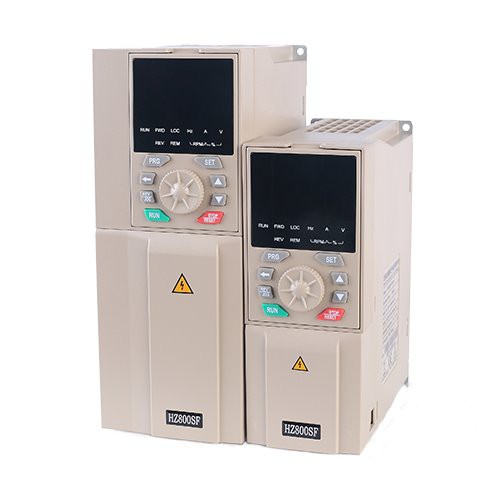
As a VFD supplier, we offer a wide range of VFDs to meet different motor horsepower requirements. For example, our 2.2KW VFD is a popular choice for small - to medium - sized motors. It is designed to provide reliable and efficient operation, with features such as adjustable speed control, overload protection, and energy - saving modes.
Our AC Control Drive is another versatile option that can be used with a variety of motor types and horsepower ratings. It offers advanced control algorithms and communication interfaces, making it suitable for both simple and complex industrial applications.
Conclusion
Selecting the right VFD based on motor horsepower is a critical decision that can have a significant impact on the performance, efficiency, and longevity of your motor system. By considering factors such as motor nameplate information, load type, duty cycle, and environmental conditions, you can make an informed choice. As a VFD supplier, we are committed to helping our customers select the most appropriate VFDs for their specific needs. If you have any questions or need assistance in selecting a VFD, please feel free to contact us for a detailed consultation and to start the procurement process.
References
- Electric Motor Handbook, Second Edition, by Paul C. Krause, Oleg Wasynczuk, and Scott D. Sudhoff
- Variable Frequency Drives: Selection, Application, and Maintenance, by Thomas G. Hamer