

Hey there! As a supplier of 22KW VFDs, I get a lot of questions about setting the braking parameters. It can seem a bit confusing at first, but with the right info, you'll be able to do it like a pro. So, let's dive right in and get you up to speed on how to set those braking parameters on a 22KW VFD.
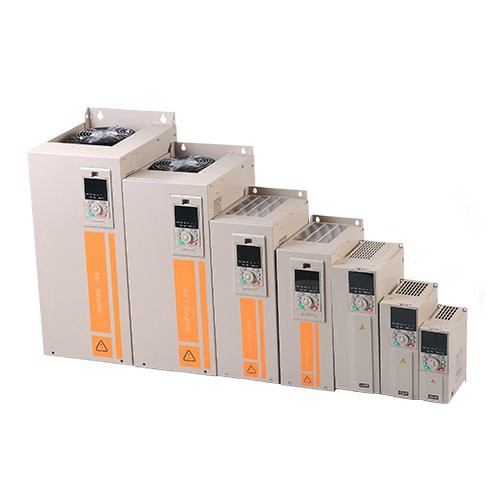

Why Braking Parameters Matter
First off, you might be wondering why setting the braking parameters correctly is such a big deal. Well, when you're using a 22KW VFD, the motor is going to be doing some pretty heavy-duty work. And just like a car needs brakes to stop safely and quickly, your motor needs proper braking too.
If the braking parameters aren't set right, you could end up with a few problems. For example, the motor might take too long to stop, which can be a safety hazard in some applications. Or, it could stop too abruptly, causing mechanical stress on the motor and other components. That's why getting these parameters just right is super important.
Understanding the Basics of Braking in a VFD
Before we start talking about how to set the parameters, let's take a quick look at how braking works in a VFD. There are two main types of braking in a VFD: dynamic braking and regenerative braking.
Dynamic Braking: This is the most common type of braking. When the VFD needs to slow down the motor, it takes the energy that the motor is producing and dissipates it as heat through a braking resistor. It's like using the brakes on your car and feeling the heat build up in the brake pads.
Regenerative Braking: This type of braking is a bit more advanced. Instead of dissipating the energy as heat, it sends the energy back to the power supply. It's like a hybrid car that can recharge its battery when you hit the brakes.
Step-by-Step Guide to Setting Braking Parameters
Now, let's get into the nitty-gritty of setting the braking parameters on your 22KW VFD. Here are the steps you'll need to follow:
Step 1: Check the Manual
The first thing you should do is grab the manual for your VFD. It might not be the most exciting read, but it's full of important info. Look for the section on braking parameters. It'll tell you what each parameter means and what the recommended settings are.
Step 2: Determine Your Braking Needs
Think about how quickly you need the motor to stop. If you're working in an application where safety is a big concern, you might need a faster stop. On the other hand, if a slower stop is okay, you can adjust the parameters accordingly.
Step 3: Set the Braking Torque
The braking torque is how much force the VFD will use to stop the motor. You usually set this as a percentage. A higher percentage means more braking force, but it can also cause more wear and tear on the motor. Start with a lower percentage and gradually increase it until you get the stopping time you need.
Step 4: Set the Braking Time
The braking time is how long it takes for the motor to come to a complete stop. This is usually adjustable in seconds. If you set the braking time too short, the motor might stop too abruptly. If it's too long, the motor will take forever to stop. Find the right balance for your application.
Step 5: Configure the Braking Resistor (if needed)
If you're using dynamic braking, you'll need to make sure the braking resistor is configured correctly. Check the resistance and power rating of the resistor. Make sure it matches the requirements of your VFD.
Step 6: Test and Adjust
Once you've set all the parameters, it's time to test the system. Start the motor and then stop it using the VFD. See how it performs. If the motor stops too quickly or too slowly, go back and adjust the parameters until you get it right.
Common Mistakes to Avoid
When setting the braking parameters on a 22KW VFD, there are a few common mistakes that you'll want to avoid:
- Setting the Braking Torque Too High: As I mentioned earlier, setting the braking torque too high can cause unnecessary wear and tear on the motor. It's better to start low and adjust as needed.
- Not Considering the Load: The load on the motor can have a big impact on the braking performance. Make sure you take the load into account when setting the parameters.
- Ignoring the Braking Resistor: If you're using dynamic braking, the braking resistor is crucial. Make sure it's properly sized and connected.
Resources for Further Learning
If you want to learn more about VFDs and braking parameters, there are a few great resources out there. You can check out the following links:
Contact Us for Your VFD Needs
If you're in the market for a 22KW VFD or have any questions about setting the braking parameters, don't hesitate to reach out. We're here to help you get the most out of your VFD. Whether you're a small business owner or a large industrial facility, we've got the expertise and the products to meet your needs.
References
- Manufacturer's manual for the 22KW VFD
- Technical articles on variable frequency drives and braking systems