

Hey there! As a supplier of 660V - 690V Variable Frequency Drives (VFDs), I've seen my fair share of VFD malfunctions. In this blog post, I'll walk you through how to troubleshoot a 660V - 690V VFD when it acts up.
Understanding the Basics
First off, let's quickly go over what a VFD does. A VFD is a type of Frequency Drive Controller that controls the speed of an AC motor by varying the frequency and voltage supplied to the motor. It's a pretty nifty piece of equipment that offers energy savings, better process control, and reduced wear and tear on motors.
Common Malfunctions and How to Fix Them
Overvoltage Fault
One of the most common issues you might encounter is an overvoltage fault. This usually happens when the DC bus voltage inside the VFD exceeds its rated value. Possible causes include too high an input voltage, a sudden reduction in load, or a problem with the braking resistor.
To troubleshoot this fault, start by checking the input voltage. Make sure it's within the VFD's specified range. If the input voltage is okay, look at the load on the motor. If the load has suddenly dropped, it could be causing the overvoltage. You might need to adjust the load or the VFD's settings accordingly.
If the problem persists, check the braking resistor. A faulty braking resistor can't dissipate the excess energy, leading to overvoltage. If you find that the braking resistor is defective, replace it with a new one.
Undervoltage Fault
On the flip side, an undervoltage fault occurs when the DC bus voltage is too low. This can be caused by a low input voltage, a loose connection, or a problem with the rectifier.
Check the input voltage first. If it's below the VFD's rated range, you may need to adjust the power supply or contact your electrical provider. Next, inspect all the connections in the VFD. Loose or corroded connections can cause a drop in voltage. Tighten any loose connections and clean any corroded ones.
If everything seems okay with the input voltage and connections, the rectifier might be the culprit. The rectifier converts the AC input voltage to DC voltage. A faulty rectifier can't provide the proper DC voltage, resulting in an undervoltage fault. In this case, you'll need to replace the rectifier.
Overcurrent Fault
An overcurrent fault means that the current flowing through the VFD exceeds its rated limit. This can be due to a short - circuit in the motor, a mechanical problem with the driven load, or incorrect VFD settings.
Start by checking the motor for any signs of a short - circuit. You can use a multimeter to measure the resistance between the motor windings. If the resistance is very low or zero, there's likely a short - circuit, and the motor needs to be repaired or replaced.
Next, examine the mechanical load. A jammed or overloaded load can cause the motor to draw excessive current. Make sure the load is operating smoothly and isn't overloaded. Adjust the load or fix any mechanical issues if necessary.
Also, review the VFD's settings. Incorrect settings such as too high an acceleration or deceleration time can cause overcurrent. Refer to the VFD's manual to set the parameters correctly.
Overheat Fault
Overheating can be a real headache for VFDs. It can be caused by poor ventilation, a faulty cooling fan, or excessive load.
Check the ventilation around the VFD. Make sure there's enough space for air to flow freely. Remove any obstructions near the VFD that might be blocking the airflow.
Inspect the cooling fan. A broken or malfunctioning fan can't cool the VFD effectively, leading to overheating. If the fan isn't working, replace it as soon as possible.
If the ventilation and fan are okay, look at the load on the VFD. An excessive load can generate more heat. You may need to reduce the load or upgrade to a larger - capacity VFD.
Diagnostic Tools and Techniques
Using the VFD Display
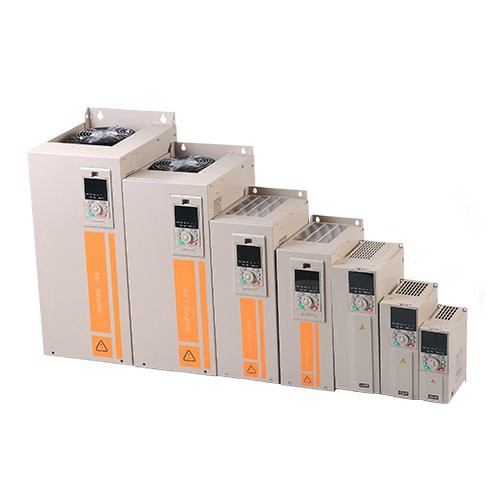
Most modern VFDs have a built - in display that can show fault codes and diagnostic information. When a malfunction occurs, note down the fault code. The fault code can give you a clue about what's going wrong. Refer to the VFD's manual to interpret the fault code and find the appropriate troubleshooting steps.
Multimeter Testing
A multimeter is a handy tool for troubleshooting VFDs. You can use it to measure voltage, current, and resistance. For example, you can measure the input and output voltages of the VFD to make sure they're within the correct range. You can also measure the resistance of the motor windings to check for short - circuits.
Oscilloscope Analysis
In some cases, you might need to use an oscilloscope to analyze the waveforms of the VFD. An oscilloscope can show you the shape and frequency of the electrical signals, which can help you identify problems such as distorted waveforms or incorrect frequencies.
Preventive Maintenance
Preventing problems is always better than fixing them. Here are some preventive maintenance tips for your 660V - 690V VFD:
- Regularly clean the VFD to remove dust and debris. Dust can accumulate inside the VFD and cause overheating or short - circuits.
- Check the connections regularly to make sure they're tight and free of corrosion.
- Follow the manufacturer's recommended maintenance schedule. This may include replacing components such as capacitors and fans at regular intervals.
When to Seek Professional Help
Sometimes, troubleshooting a VFD can be a bit tricky, and you might need to call in the pros. Here are some situations where it's best to seek professional help:
- If you're not familiar with electrical systems or don't have the necessary tools and knowledge to troubleshoot the VFD safely.
- If the problem persists even after you've tried all the troubleshooting steps.
- If the VFD is still under warranty. In this case, it's best to contact the manufacturer or an authorized service provider to avoid voiding the warranty.
Conclusion
Troubleshooting a 660V - 690V VFD can seem daunting at first, but with the right knowledge and tools, you can diagnose and fix most common problems. Remember to follow safety procedures when working with electrical equipment, and don't hesitate to seek professional help if you're not sure what to do.
If you're in the market for a high - quality 22KW VFD or a VF Control VFD, we've got you covered. Our VFDs are designed to be reliable and efficient, and we offer excellent customer support. Reach out to us if you're interested in learning more about our products or have any questions about VFDs. We're here to help you make the best choice for your application.

References
- VFD Manufacturer's Manuals
- Electrical Engineering Textbooks on Motor Control
- Industry Standards and Guidelines for VFD Operation and Maintenance