

As a supplier of 22KW Variable Frequency Drives (VFDs), one question that I often encounter from customers is whether a 22KW VFD is compatible with other electrical equipment. This is a crucial concern as the compatibility can significantly impact the performance, efficiency, and safety of the entire electrical system. In this blog, I will delve into this topic, exploring the factors that determine compatibility and providing insights to help you make informed decisions.
Understanding the Basics of a 22KW VFD
Before discussing compatibility, it's essential to understand what a 22KW VFD is and how it works. A VFD is an electronic device that controls the speed and torque of an AC motor by varying the frequency and voltage supplied to the motor. The "22KW" refers to the power rating of the VFD, which indicates the maximum power it can handle. This means that a 22KW VFD is designed to control motors with a power rating up to 22KW.
The main advantage of using a VFD is its ability to adjust the motor speed according to the load requirements. This results in energy savings, reduced wear and tear on the motor, and improved process control. However, for these benefits to be realized, the VFD must be compatible with the other electrical equipment in the system.
Factors Affecting Compatibility
Several factors need to be considered when determining the compatibility of a 22KW VFD with other electrical equipment. These include electrical ratings, control signals, grounding, and electromagnetic interference (EMI).
Electrical Ratings
The electrical ratings of the VFD and the other equipment are the most fundamental factors to consider. The voltage and current ratings of the VFD must match the requirements of the motor and the power supply. For example, if the motor is rated for 400V and the VFD is designed for 230V, it will not be compatible, and the motor may not operate correctly or may even be damaged.
In addition to voltage and current ratings, the frequency range of the VFD must also be compatible with the motor. Most motors are designed to operate at a specific frequency, typically 50Hz or 60Hz. A VFD can vary the frequency supplied to the motor, but it must be within the motor's acceptable range. If the frequency is too high or too low, the motor may overheat, lose torque, or experience other performance issues.
Control Signals
The control signals used to operate the VFD must also be compatible with the other equipment in the system. VFDs typically accept various control signals, such as analog signals (e.g., 0-10V, 4-20mA) and digital signals (e.g., on/off, start/stop). The control signals must be correctly configured and matched to the output signals of the control device, such as a programmable logic controller (PLC) or a human-machine interface (HMI).
If the control signals are not compatible, the VFD may not respond correctly to the commands, resulting in improper motor operation. For example, if the VFD expects a 0-10V analog signal to control the speed, but the control device outputs a 4-20mA signal, the VFD may not be able to interpret the signal correctly, and the motor speed may not be controlled as desired.
Grounding
Proper grounding is essential for the safe and reliable operation of a VFD and the other electrical equipment in the system. A VFD generates high-frequency noise and electromagnetic interference, which can cause problems if not properly grounded. The VFD must be grounded to a common ground point, and the grounding conductor must have a low impedance to ensure effective grounding.
In addition to grounding the VFD, the motor and other equipment in the system must also be properly grounded. This helps to prevent electrical shock, reduce the risk of equipment damage, and minimize electromagnetic interference. If the grounding is not done correctly, the VFD may experience malfunctions, and the other equipment in the system may be affected by the electromagnetic interference.
Electromagnetic Interference (EMI)
EMI is another significant factor that can affect the compatibility of a 22KW VFD with other electrical equipment. A VFD generates electromagnetic interference due to the high-frequency switching of the power electronics. This interference can affect the operation of other sensitive electrical equipment in the vicinity, such as sensors, communication devices, and control systems.
To minimize EMI, VFDs are typically equipped with filters and shielding. However, it is still important to consider the installation location of the VFD and the other equipment in the system. The VFD should be installed away from sensitive equipment, and proper shielding and cabling should be used to reduce the impact of EMI.
Compatibility with Specific Types of Electrical Equipment
Now that we have discussed the general factors affecting compatibility, let's look at how a 22KW VFD can be compatible with specific types of electrical equipment.

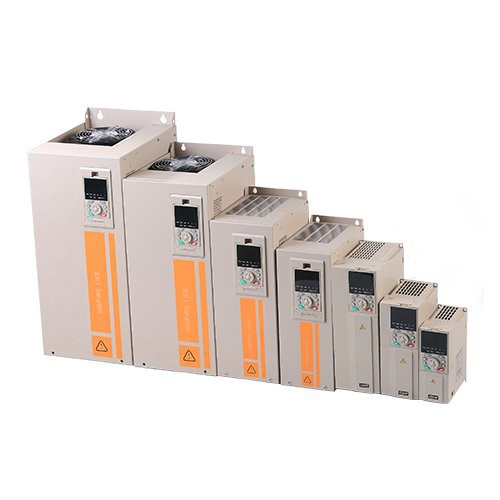
Motors
As mentioned earlier, the VFD is primarily used to control the speed and torque of an AC motor. Therefore, compatibility with the motor is of utmost importance. The electrical ratings of the VFD must match the requirements of the motor, and the control signals must be correctly configured to ensure proper motor operation.
In addition to the electrical ratings and control signals, the type of motor also needs to be considered. Different types of motors, such as induction motors, synchronous motors, and permanent magnet motors, have different characteristics and may require different control strategies. A 22KW VFD must be compatible with the type of motor it is intended to control.
Power Supplies
The VFD must be compatible with the power supply in terms of voltage, current, and frequency. Most VFDs are designed to operate on a specific range of input voltages, typically 230V or 400V. The power supply must be able to provide the required voltage and current to the VFD without any significant fluctuations or disturbances.
In addition to the voltage and current ratings, the power supply must also be able to handle the harmonic currents generated by the VFD. Harmonic currents are caused by the non-linear load characteristics of the VFD and can cause problems such as overheating of the power supply, voltage distortion, and interference with other equipment in the system. To mitigate the effects of harmonic currents, a harmonic filter may be required.
Control Devices
The VFD must be compatible with the control devices used to operate it, such as PLCs, HMIs, and sensors. The control signals used by the VFD must match the output signals of the control devices, and the communication protocols must be compatible.
For example, if the VFD uses a Modbus communication protocol, the control device must also support Modbus to enable communication between the two devices. If the communication protocols are not compatible, the VFD may not be able to receive the control commands from the control device, and the motor may not operate correctly.
Ensuring Compatibility
To ensure the compatibility of a 22KW VFD with other electrical equipment, it is essential to follow the manufacturer's recommendations and guidelines. The manufacturer's documentation provides detailed information about the electrical ratings, control signals, grounding requirements, and other specifications of the VFD.
Before installing the VFD, it is recommended to conduct a thorough assessment of the electrical system to identify any potential compatibility issues. This may involve consulting with an electrical engineer or a technical expert to ensure that the VFD is correctly sized and configured for the specific application.
During the installation process, it is important to follow the proper installation procedures and guidelines. This includes proper grounding, wiring, and shielding to minimize the risk of electromagnetic interference and ensure the safe and reliable operation of the VFD and the other equipment in the system.
Conclusion
In conclusion, the compatibility of a 22KW VFD with other electrical equipment is a critical factor that must be considered to ensure the optimal performance, efficiency, and safety of the electrical system. By understanding the factors affecting compatibility, such as electrical ratings, control signals, grounding, and electromagnetic interference, and following the manufacturer's recommendations and guidelines, you can ensure that the VFD is compatible with the other equipment in the system.
As a supplier of 22KW VFDs, I am committed to providing high-quality products and technical support to help you with your VFD applications. If you have any questions or need further assistance regarding the compatibility of a 22KW VFD with your electrical equipment, please do not hesitate to contact me for a detailed consultation. Whether you are interested in a 3.7KW VFD or looking for VFD For Motors or VFD For Motors, I can provide you with the right solutions to meet your needs. Let's work together to ensure the success of your electrical projects.
References
- "Variable Frequency Drives Handbook" by David M. Gottlieb
- "Electrical Installation Guide for Variable Frequency Drives" by ABB
- "Motor Control and Protection" by Schneider Electric