

Hey there! As a supplier of Feedback Units, I often get asked about the installation and wiring diagrams for these nifty devices. So, I thought I'd take the time to break it all down for you in this blog post.
First off, let's talk about what a Feedback Unit is. A Feedback Unit, as you can find out more about on Feedback Unit, is a crucial component in many industrial and automation systems. It helps in providing real-time information about the status and performance of a particular process or equipment. This information is then used to make adjustments and ensure that everything runs smoothly.
Installation Basics
When it comes to installing a Feedback Unit, the first thing you need to do is choose the right location. The unit should be placed in an area where it can easily access the data it needs to collect. This might be close to a motor, a conveyor belt, or any other piece of equipment that it's monitoring.
Make sure the location is clean and dry. Moisture and dirt can cause problems with the unit's sensors and electronics. Also, try to keep it away from sources of heat and electromagnetic interference. These can mess with the accuracy of the feedback data.
Once you've found the perfect spot, it's time to mount the unit. Most Feedback Units come with mounting brackets or holes that allow you to secure them to a wall, a machine frame, or a panel. Use the appropriate screws or bolts to make sure it's firmly attached.

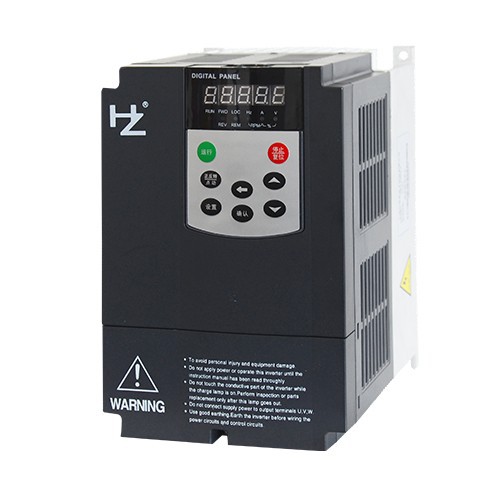
Wiring Diagrams
Now, let's dive into the wiring diagrams. Wiring a Feedback Unit can seem a bit intimidating at first, but it's actually not that complicated if you follow the right steps.
The first thing you need to do is identify the different wires coming out of the unit. There are usually power wires, signal wires, and ground wires. The power wires are responsible for supplying electricity to the unit. Make sure you connect them to the correct voltage source. Usually, there will be a label on the unit indicating the required voltage.
The signal wires are what carry the feedback data from the unit to the control system. These wires need to be connected to the appropriate input terminals on the control panel. It's important to follow the color-coding and the wiring diagram provided with the unit. This will ensure that the data is transmitted correctly.
The ground wire is essential for safety. It helps to prevent electrical shocks and protects the unit from damage due to electrical surges. Connect the ground wire to a proper grounding point, such as a grounding rod or a metal frame that is connected to the ground.
Here's a simple example of a wiring diagram for a basic Feedback Unit:
- Power Wires: Connect the red wire to the positive terminal of the power supply and the black wire to the negative terminal.
- Signal Wires: Connect the yellow wire to the input terminal for the speed feedback signal and the green wire to the input terminal for the position feedback signal.
- Ground Wire: Connect the bare copper wire to the grounding point.
Keep in mind that different models of Feedback Units may have different wiring requirements. Always refer to the manufacturer's instructions and wiring diagrams for your specific unit.
Complementary Components
In some cases, you might also need to work with other components along with the Feedback Unit. For example, a Brake Unit can be used in conjunction with a motor to control its stopping and starting. The Feedback Unit can provide information about the motor's speed and position, which the Brake Unit can then use to apply the brakes at the right time.
Another useful component is the LED Digital Panel. This panel can display the feedback data in a clear and easy-to-read format. It allows operators to monitor the performance of the system at a glance.
Troubleshooting
Even if you follow all the installation and wiring instructions correctly, you might still run into some issues. Here are a few common problems and how to fix them:
- No Power: Check the power supply connections. Make sure the voltage is correct and that the circuit breaker or fuse is not tripped.
- Inaccurate Feedback Data: Check the signal wire connections. Make sure they are secure and that there is no interference. You might also need to calibrate the unit.
- Error Messages on the Control Panel: Refer to the user manual for the unit and the control system. The error messages usually provide clues about what's going wrong.
Why Choose Our Feedback Units
Our Feedback Units are known for their high quality and reliability. We use the latest technology to ensure accurate and real-time feedback data. They are also easy to install and maintain, which saves you time and money.
Whether you're working on a small automation project or a large industrial system, our Feedback Units can meet your needs. And if you have any questions or need further assistance with installation or wiring, our team of experts is always here to help.
Contact Us for Procurement
If you're interested in purchasing a Feedback Unit or have any questions about our products, we'd love to hear from you. We offer competitive prices and excellent customer service. Don't hesitate to reach out to us to start a procurement discussion. We're confident that our Feedback Units will be a great addition to your system.
References
- Manufacturer's user manuals for Feedback Units
- Industry standards for industrial automation wiring and installation